Germany to send troops to Poland border amid threats from Russia
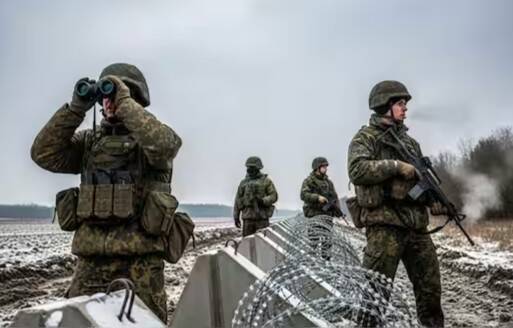
In a significant move to bolster the defense of its eastern European ally, Germany has announced that it will be sending a contingent of troops to Poland to assist the country’s eastern frontier. The decision comes amid rising concerns over potential threats from Russia, which has been engaging in aggressive posturing and military maneuvers along its western borders. The deployed troops will be tasked with engineering work, said Berlin’s defense ministry, with their duties involving building defensive structures, excavating trenches, installing barbed wire, and anti-tank obstacles.
The move is seen as a demonstration of Germany’s commitment to the security and stability of the region, and a clear signal to Russia that any attempts to undermine the sovereignty of Poland or other eastern European countries will not be tolerated. The deployment of German troops to Poland’s border is a significant development, marking a new level of cooperation between the two countries in the face of a common security threat.
According to Berlin’s defense ministry, the troops will be tasked with a range of engineering work, including the construction of defensive structures, excavation of trenches, and installation of barbed wire and anti-tank obstacles. The goal of these efforts is to enhance the defensive capabilities of Poland’s eastern border, making it more difficult for any potential aggressor to launch a successful attack.
The decision to deploy German troops to Poland’s border is a response to the growing concerns over Russian aggression in the region. In recent months, Russia has been engaging in a series of military maneuvers and exercises along its western borders, including the deployment of troops and equipment to the Russian exclave of Kaliningrad, which borders Poland and Lithuania. These moves have been seen as a clear attempt to intimidate and destabilize the region, and have prompted a strong response from NATO and its member states.
Germany’s decision to send troops to Poland’s border is a significant contribution to the efforts to bolster the defense of the region. The country has a long history of cooperation with Poland, and the two nations have been working closely together to enhance their military capabilities and strengthen their bilateral relationship. The deployment of German troops to Poland’s border is a clear demonstration of this commitment, and a signal that Germany is willing to take concrete steps to support the security and stability of the region.
The move is also seen as a response to the growing concerns over the security of the region, which have been exacerbated by Russia’s aggressive posturing and military maneuvers. The deployment of German troops to Poland’s border is a clear signal that NATO and its member states will not stand idly by in the face of Russian aggression, and are committed to defending the sovereignty and territorial integrity of all member states.
The engineering work that the German troops will be undertaking is a critical component of the efforts to enhance the defensive capabilities of Poland’s eastern border. The construction of defensive structures, excavation of trenches, and installation of barbed wire and anti-tank obstacles will all contribute to making it more difficult for any potential aggressor to launch a successful attack. The work will also help to enhance the mobility and flexibility of Polish and NATO forces in the region, allowing them to respond more quickly and effectively to any potential threats.
In addition to the deployment of troops, Germany has also been working closely with Poland to enhance the country’s military capabilities and strengthen its defense infrastructure. The two countries have been cooperating on a range of initiatives, including the development of new military technologies and the modernization of Poland’s armed forces. These efforts are all part of a broader strategy to enhance the security and stability of the region, and to deter any potential aggressors from launching an attack.
The deployment of German troops to Poland’s border is a significant development, and a clear demonstration of Germany’s commitment to the security and stability of the region. The move is a response to the growing concerns over Russian aggression, and a signal that NATO and its member states will not stand idly by in the face of Russian aggression. The engineering work that the troops will be undertaking is a critical component of the efforts to enhance the defensive capabilities of Poland’s eastern border, and will help to make it more difficult for any potential aggressor to launch a successful attack.
In conclusion, the decision by Germany to send troops to Poland’s border is a significant move that demonstrates the country’s commitment to the security and stability of the region. The deployment of troops is a response to the growing concerns over Russian aggression, and a signal that NATO and its member states will not stand idly by in the face of Russian aggression. The engineering work that the troops will be undertaking is a critical component of the efforts to enhance the defensive capabilities of Poland’s eastern border, and will help to make it more difficult for any potential aggressor to launch a successful attack.
About the Author