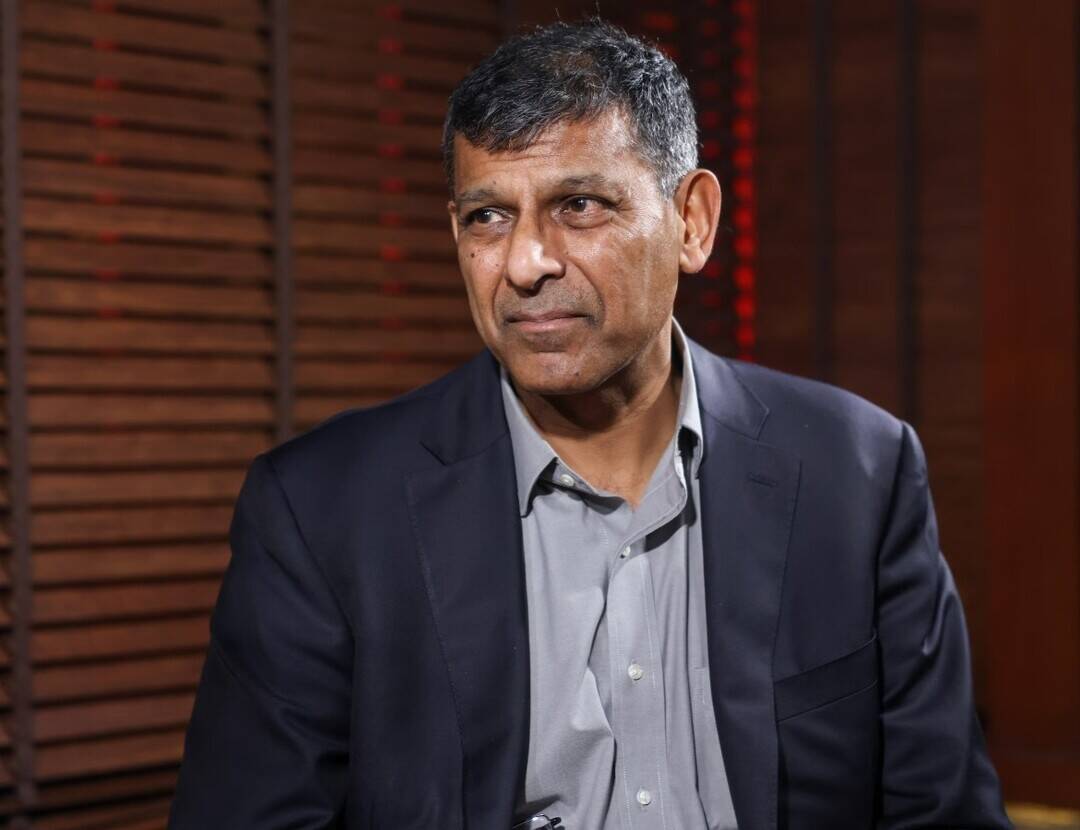
Plumbers will survive AI: Raghuram Rajan as he flags shortcomings in Indian education
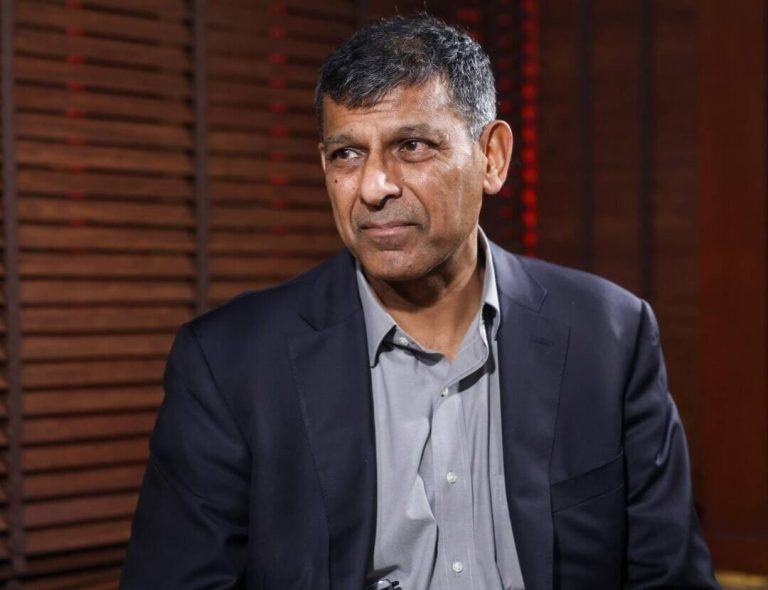
The world is rapidly changing, and the advent of Artificial Intelligence (AI) has brought about a significant shift in the way we live and work. With automation and machine learning taking over various industries, there is a growing concern about the impact of AI on jobs. However, according to former Reserve Bank of India (RBI) Governor Raghuram Rajan, not all jobs are at risk of being replaced by AI. In a recent statement, Rajan said that hands-on jobs like that of a plumber may survive the AI wave, while a variety of other jobs may go away.
Rajan’s statement highlights the importance of skills training and education in preparing the workforce for the changing job market. He pointed to the shortcomings in the Indian education system, emphasizing the need for a good skilling model. “We need to find a good skilling model…It’s not rocket science,” he said. This statement underscores the need for a more practical and vocational approach to education, one that focuses on developing skills that are relevant to the industry.
The Indian education system has long been criticized for its emphasis on theoretical knowledge over practical skills. The curriculum is often outdated, and the teaching methods are not tailored to the needs of the industry. As a result, many graduates find themselves unprepared for the job market, lacking the skills and expertise required by employers. This has led to a significant gap between the skills that are taught in educational institutions and the skills that are required by the industry.
Rajan’s suggestion that not everyone needs a college degree is a significant one. In India, there is a strong emphasis on higher education, and many students feel pressured to pursue a college degree, regardless of their interests or aptitudes. However, this approach can be limiting, as it does not provide students with the opportunity to develop practical skills or explore alternative career paths. By recognizing that not everyone needs a college degree, Rajan is highlighting the importance of vocational training and skills development.
The importance of vocational training and skills development cannot be overstated. In a rapidly changing job market, it is essential to have a workforce that is adaptable, skilled, and able to respond to new challenges. Vocational training provides students with the opportunity to develop practical skills, work with their hands, and gain experience in a specific trade or industry. This approach to education can help to address the skills gap, provide students with better job prospects, and contribute to the growth and development of the economy.
In addition to vocational training, there is also a need to focus on lifelong learning and continuous skills development. The job market is constantly evolving, and new technologies and innovations are emerging all the time. To stay relevant and competitive, workers need to be able to adapt and develop new skills throughout their careers. This requires a culture of lifelong learning, where workers are encouraged to pursue ongoing education and training.
The Indian government has recognized the importance of skills development and has launched several initiatives to promote vocational training and education. The National Skill Development Mission, for example, aims to provide vocational training to 500 million people by 2022. The mission includes a range of programs and initiatives, including the Pradhan Mantri Kaushal Vikas Yojana (PMKVY), which provides financial support to individuals who want to pursue vocational training.
In conclusion, Raghuram Rajan’s statement highlights the importance of skills training and education in preparing the workforce for the changing job market. The Indian education system needs to focus on developing practical skills, rather than just theoretical knowledge. By recognizing the value of vocational training and skills development, we can provide students with better job prospects, address the skills gap, and contribute to the growth and development of the economy. As Rajan said, “We need to find a good skilling model…It’s not rocket science.” By working together, we can create a more skilled and adaptable workforce, one that is equipped to thrive in a rapidly changing world.
About the Author