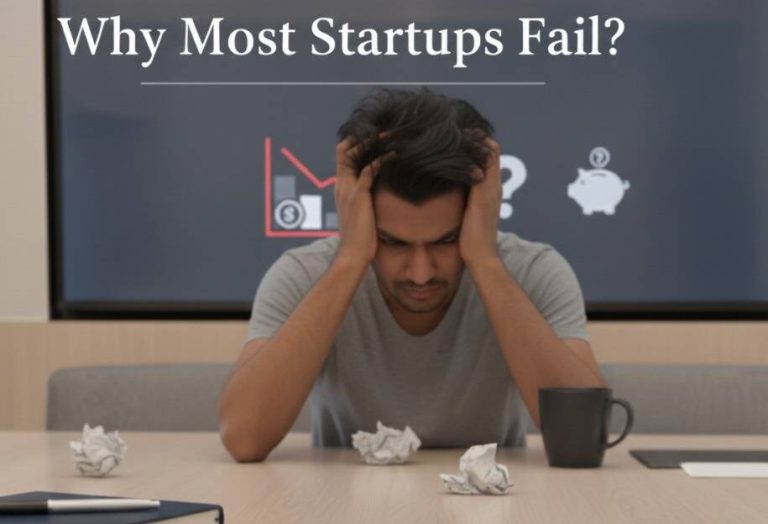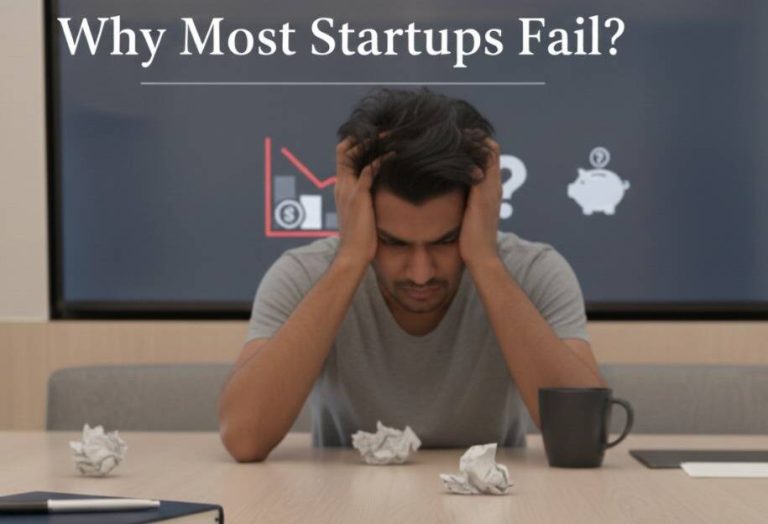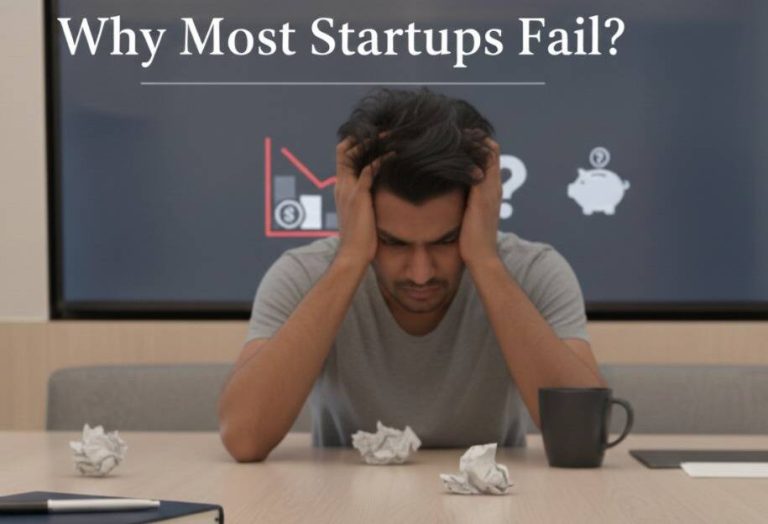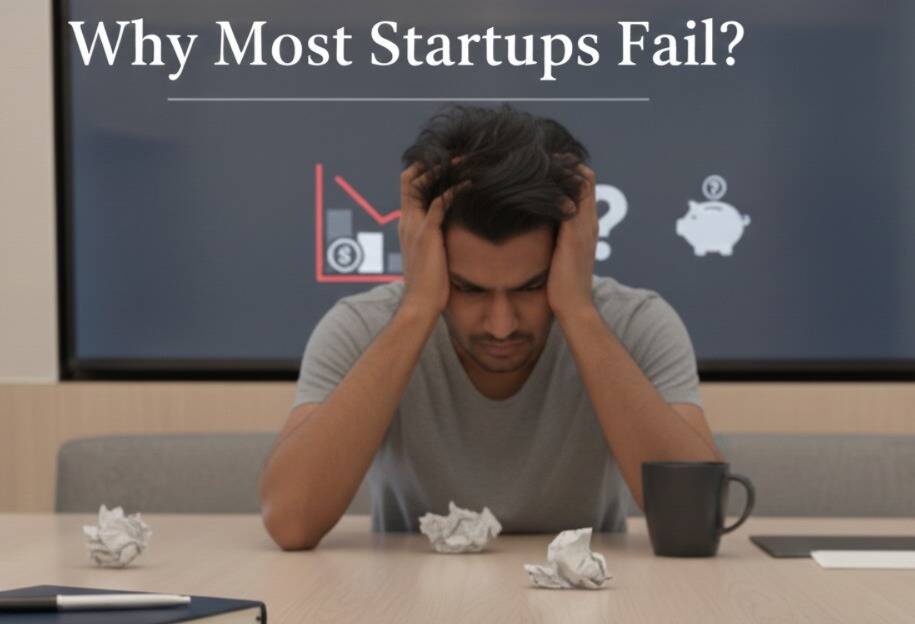
Why most startups fail despite big ideas and funding?
The startup ecosystem is known for its thrill and excitement, with new ideas and innovations emerging every day. However, behind the glamour and glory, lies a harsh reality – most startups fail. According to various estimates, up to 90% of startups fail, despite having big ideas and significant funding. This raises an important question – what goes wrong? Is it the lack of innovative ideas, or is there something more fundamental at play?
Founders and industry leaders point to several key reasons that contribute to the demise of startups. Lack of real market demand, uncontrolled cash burn, and weak execution are often cited as the biggest reasons for startup failures. Startups that skip customer validation, overspend before revenue, or fail to adapt quickly often shut down, despite having strong technology, funding interest, or early buzz.
One of the primary reasons for startup failure is the lack of real market demand. Many startups are founded on the basis of a great idea, but without properly validating the demand for that idea in the market. This can lead to a product or service that nobody wants or needs, resulting in a lack of traction and ultimately, failure. Startups that fail to conduct thorough market research and understand their target audience are more likely to fail.
Another critical mistake that startups make is uncontrolled cash burn. Funding is often seen as a measure of success for startups, but it can also be a curse. When startups receive large amounts of funding, they often feel pressure to grow quickly, which can lead to overspending on hiring, marketing, and other expenses. This can result in a burn rate that is unsustainable, and can quickly deplete the startup’s cash reserves. Startups that fail to manage their finances effectively and prioritize sustainability over growth are more likely to fail.
Weak execution is also a major contributor to startup failure. Startups that have a great idea, but lack the skills and expertise to execute it, are unlikely to succeed. This can include everything from product development to sales and marketing. Startups that fail to build a strong team, prioritize product development, and focus on customer acquisition are more likely to fail.
So, what can startups do to avoid these common pitfalls? The first step is to conduct thorough market research and validate demand for their product or service. This involves talking to potential customers, gathering feedback, and iterating on the product or service to ensure it meets the needs of the market. Startups should also prioritize sustainability over growth, and focus on managing their finances effectively. This includes controlling cash burn, prioritizing revenue generation, and building a strong team that can execute the startup’s vision.
In addition to these strategies, startups should also be adaptable and willing to pivot when necessary. The startup ecosystem is constantly evolving, and startups that are unable to adapt quickly are likely to fail. This involves being open to feedback, willing to make changes, and prioritizing continuous learning and improvement.
In conclusion, most startups fail not because their ideas are weak, but due to poor fundamentals. Lack of real market demand, uncontrolled cash burn, and weak execution are the biggest reasons for startup failure. Startups that skip customer validation, overspend before revenue, or fail to adapt quickly often shut down, despite having strong technology, funding interest, or early buzz. By prioritizing market research, financial sustainability, and strong execution, startups can increase their chances of success and avoid the common pitfalls that lead to failure.
Startups should focus on building a strong foundation, rather than just chasing growth and funding. This involves conducting thorough market research, managing finances effectively, and building a strong team that can execute the startup’s vision. By taking a more sustainable and customer-focused approach, startups can increase their chances of success and create a lasting impact in the market.
As the startup ecosystem continues to evolve, it’s likely that we’ll see new challenges and opportunities emerge. However, by understanding the common pitfalls that lead to startup failure, and prioritizing strong fundamentals, startups can set themselves up for success and create a lasting impact in the market.
For more information on startup success and failure, and to learn from the experiences of founders and industry leaders, visit: https://ascendants.in/industry_events/why-most-startups-fail-3-key-mistakes/
News Source: https://ascendants.in/industry_events/why-most-startups-fail-3-key-mistakes/
About the Author