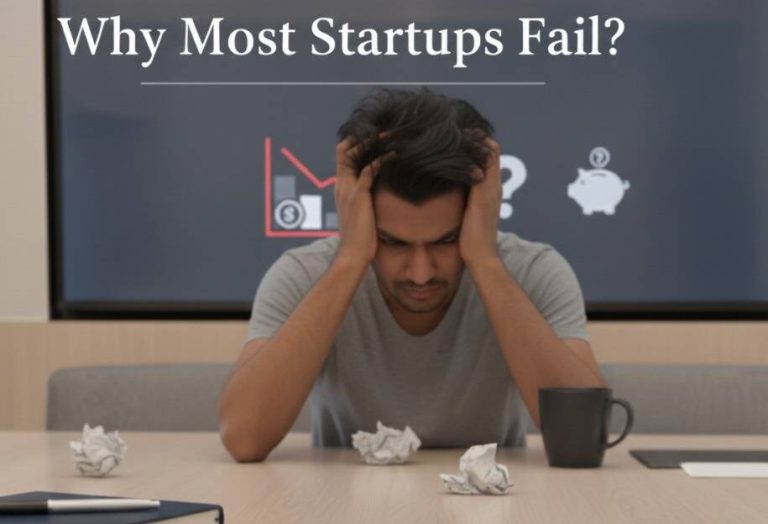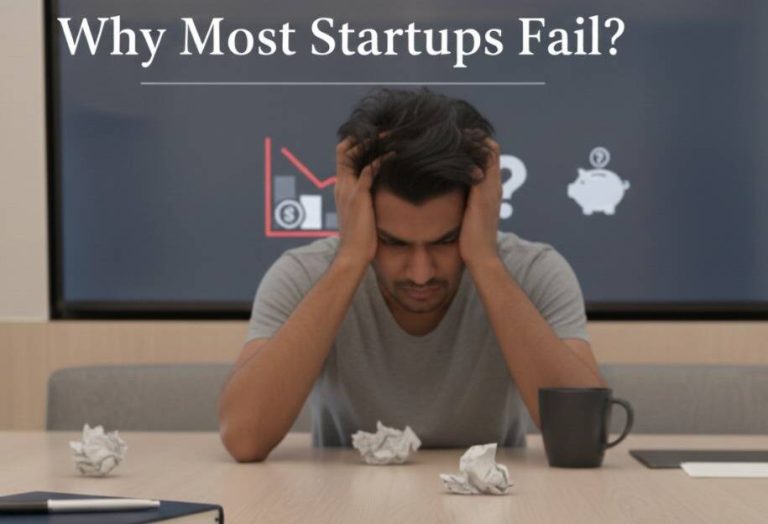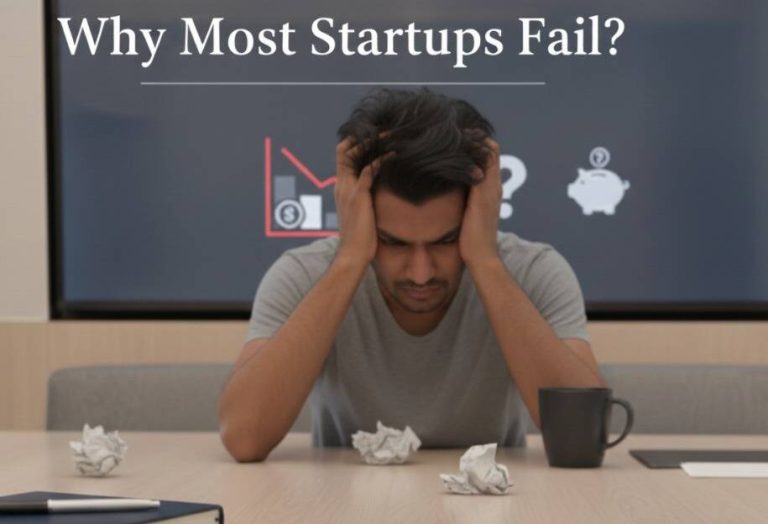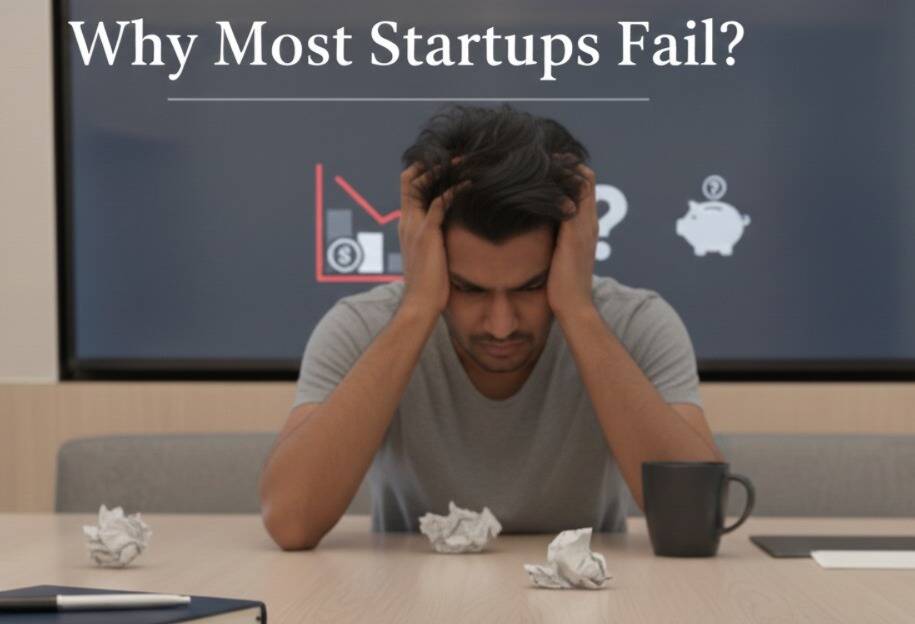
Why most startups fail despite big ideas and funding?
The startup ecosystem is known for its high-energy environment, innovative ideas, and the potential for exponential growth. However, despite the excitement and promise, the harsh reality is that most startups fail. According to various studies, it’s estimated that up to 90% of startups don’t make it past the first few years. The question is, why do startups with big ideas and sufficient funding still fail to take off? The answer lies not in the weakness of the ideas themselves, but in the poor fundamentals that underpin the startup’s operations.
Founders and industry leaders point to several key reasons that contribute to the demise of startups. Lack of real market demand, uncontrolled cash burn, and weak execution are the biggest culprits. Startups that skip customer validation, overspend before generating revenue, or fail to adapt quickly to changing market conditions often shut down, despite having strong technology, funding interest, or early buzz. In this post, we’ll delve into these three key mistakes that can make or break a startup.
Lack of Real Market Demand
One of the most significant reasons startups fail is that they often create solutions for problems that don’t exist or aren’t significant enough to warrant a solution. This can happen when founders are so enamored with their idea that they fail to validate it with potential customers. Without a deep understanding of the market and its needs, startups can end up building products or services that don’t resonate with their target audience. This can lead to a lack of traction, poor sales, and ultimately, the demise of the startup.
Customer validation is a critical step in the startup journey. It involves gathering feedback from potential customers to understand their pain points, needs, and desires. This feedback can help startups refine their idea, make necessary adjustments, and create a product or service that meets the market’s demands. However, many startups skip this step, either due to a lack of time, resources, or a false sense of confidence in their idea.
Uncontrolled Cash Burn
Another significant reason startups fail is that they often burn through their cash reserves too quickly. This can happen when founders are overly optimistic about their growth prospects and spend too much money on hiring, marketing, and other expenses. While some level of spending is necessary to drive growth, uncontrolled cash burn can be disastrous. Startups that overspend before generating revenue can quickly run out of funds, leaving them without a financial safety net to fall back on.
The problem is exacerbated when startups focus too much on growth at all costs, rather than prioritizing profitability. This approach can lead to a vicious cycle of fundraising, where startups are constantly seeking new investments to keep their operations afloat. However, this can be a difficult and distracting process, taking away from the time and energy that founders should be devoting to building their business.
Weak Execution
Finally, weak execution is another key reason startups fail. This can manifest in many ways, from poor management and organizational structure to inadequate systems and processes. Startups that fail to execute well often struggle to deliver their product or service to market, leading to delays, quality issues, and dissatisfied customers.
Weak execution can also lead to a lack of adaptability, which is critical in today’s fast-paced business environment. Startups that are unable to pivot quickly in response to changing market conditions, customer feedback, or new technologies can quickly become obsolete. This requires a culture of continuous learning, experimentation, and improvement, which can be difficult to establish and maintain, especially in the early days of a startup.
Conclusion
Starting a successful business is a challenging and complex endeavor. While big ideas and funding are essential components of a startup’s success, they are not enough on their own. Startups that skip customer validation, overspend before generating revenue, or fail to adapt quickly to changing market conditions often shut down, despite having strong technology, funding interest, or early buzz.
To avoid these common pitfalls, founders should prioritize customer validation, manage their cash burn carefully, and focus on building a strong, adaptable organization. By doing so, they can increase their chances of success and create a sustainable business that meets the needs of their customers and drives long-term growth.
For more information on this topic, you can visit: https://ascendants.in/industry_events/why-most-startups-fail-3-key-mistakes/
News Source: https://ascendants.in/industry_events/why-most-startups-fail-3-key-mistakes/
About the Author