Local cuisine to be served in Vande Bharat trains: Vaishnaw
The Indian Railways has been undergoing a significant transformation in recent years, with a focus on modernization, comfort, and passenger experience. In a move that is expected to delight foodies and travelers alike, Union Railway Minister Ashwini Vaishnaw has announced that local cuisine will be served on Vande Bharat trains. This initiative aims to showcase the rich cultural heritage and diverse culinary traditions of the regions through which these trains pass.
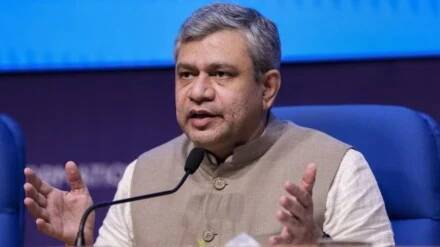
On Saturday, Vaishnaw conducted a review meeting with officials at Rail Bhawan in New Delhi, where he instructed them to introduce region-specific local cuisine on Vande Bharat trains. The Minister emphasized that this initiative will not only enhance the passenger experience but also reflect the culture and tastes of the regions the trains pass through. This move is expected to promote local cuisine, support local economies, and provide passengers with a unique and authentic experience.
The introduction of local cuisine on Vande Bharat trains is a significant departure from the standard menu that is currently served on Indian Railways. The traditional railway cuisine, while comforting and familiar, often lacks the diversity and richness of local flavors. By serving local cuisine, the Indian Railways aims to showcase the unique culinary traditions of each region, from the spicy curries of the South to the rich biryanis of the North.
Vande Bharat trains, also known as Train 18, are a new generation of high-speed trains that were introduced in 2019. These trains are equipped with state-of-the-art facilities, including comfortable seating, modern amenities, and advanced safety features. With the introduction of local cuisine, Vande Bharat trains are expected to become an even more attractive option for travelers, offering a unique and immersive experience that combines comfort, convenience, and cultural richness.
The decision to serve local cuisine on Vande Bharat trains is also expected to have a positive impact on local economies. By promoting local cuisine, the Indian Railways can help support local farmers, food producers, and artisans, who will benefit from the increased demand for their products. This initiative can also help preserve traditional culinary practices and promote cultural exchange between different regions.
To implement this initiative, the Indian Railways will need to work closely with local food suppliers, chefs, and culinary experts. The railways will need to identify the most popular and iconic local dishes, source high-quality ingredients, and develop menus that reflect the unique flavors and traditions of each region. The railways will also need to invest in training and capacity-building programs to ensure that the food is prepared and served to high standards.
While the introduction of local cuisine on Vande Bharat trains is a welcome move, there are also challenges that need to be addressed. One of the key challenges will be to ensure consistency and quality across different regions and trains. The railways will need to develop robust quality control systems to ensure that the food is prepared and served to high standards, regardless of the region or train.
Another challenge will be to manage the logistics of sourcing and supplying local ingredients, which can be complex and time-consuming. The railways will need to work closely with local suppliers and farmers to ensure a steady supply of fresh and high-quality ingredients.
Despite these challenges, the introduction of local cuisine on Vande Bharat trains is a significant step forward for the Indian Railways. This initiative has the potential to enhance the passenger experience, promote local economies, and showcase the rich cultural heritage of India. As the Indian Railways continues to modernize and transform, initiatives like this will help to make train travel more enjoyable, convenient, and culturally rich.
In conclusion, the decision to serve local cuisine on Vande Bharat trains is a welcome move that is expected to delight passengers and promote local economies. By showcasing the unique culinary traditions of each region, the Indian Railways can help preserve cultural heritage, support local farmers and food producers, and provide passengers with a unique and immersive experience. As the Indian Railways continues to evolve and modernize, initiatives like this will help to make train travel more enjoyable, convenient, and culturally rich.
About the Author