Plumbers will survive AI: Raghuram Rajan as he flags shortcomings in Indian education
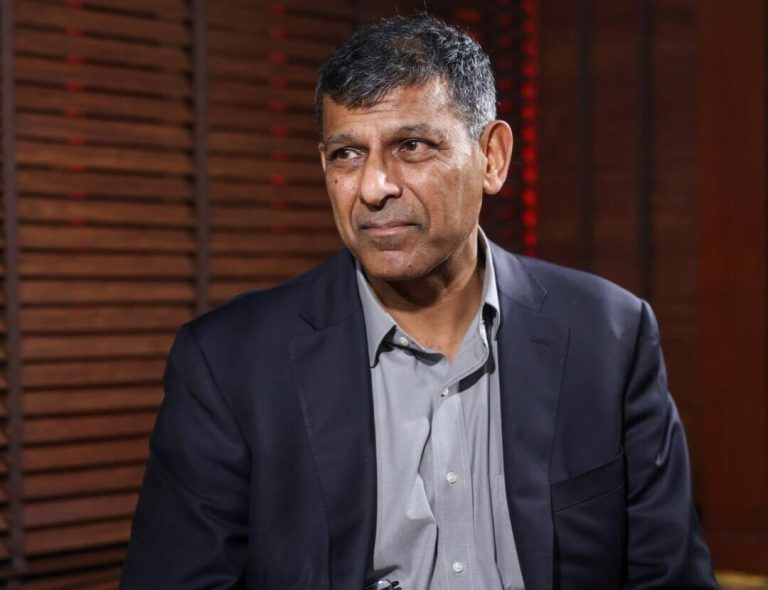
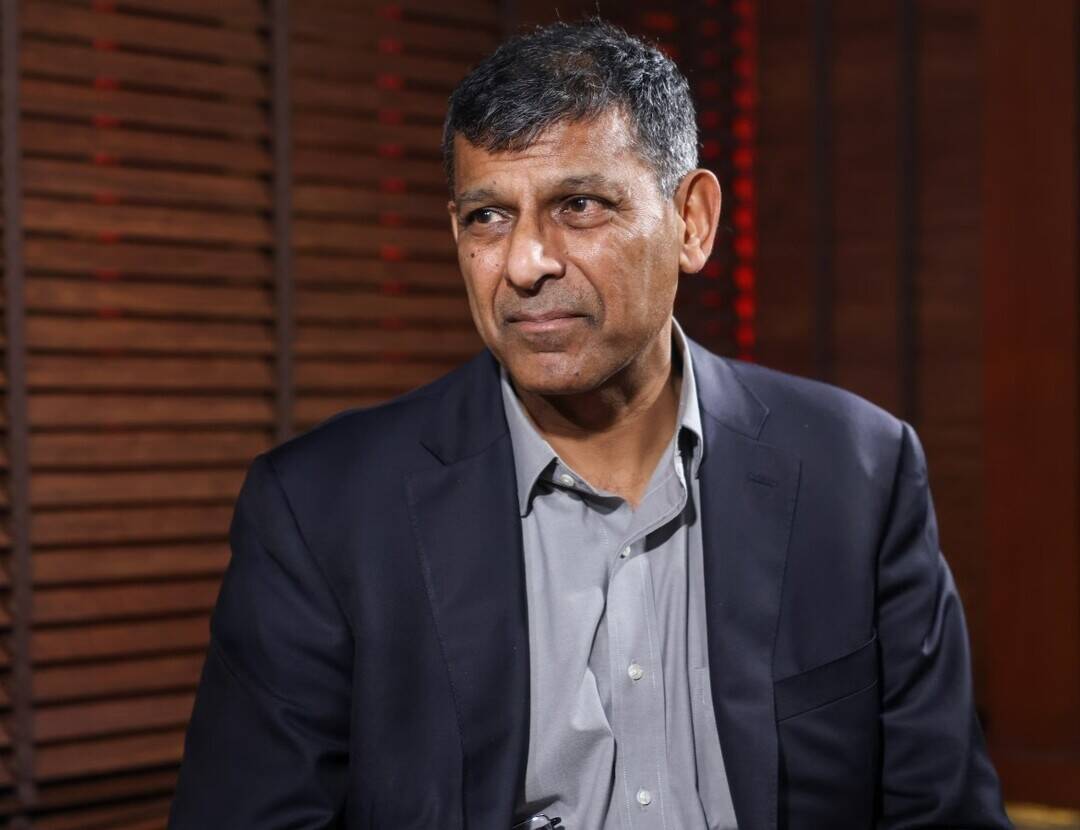
The world is on the cusp of a technological revolution, with Artificial Intelligence (AI) and automation transforming the way we live and work. As machines and algorithms increasingly take over routine and repetitive tasks, there is a growing concern about the impact of AI on employment. However, according to former Reserve Bank of India (RBI) Governor Raghuram Rajan, not all jobs are at risk of being replaced by machines. In a recent statement, Rajan suggested that hands-on jobs like that of a plumber may survive the AI wave, while a variety of other jobs may become obsolete.
Rajan’s comments come at a time when there is a lot of anxiety about the future of work in India. With the country’s large and growing workforce, there is a pressing need to create new job opportunities and to ensure that workers have the skills they need to thrive in an increasingly automated economy. However, as Rajan pointed out, India’s education system is not equipped to provide the kind of training and skilling that is needed to prepare workers for the jobs of the future.
“We need to find a good skilling model…It’s not rocket science,” Rajan said, emphasizing the need for a more practical and vocational approach to education. He suggested that Indians must understand that not everyone needs a college degree, and that there are many other paths to successful and fulfilling careers. This is a crucial message, especially in a country where there is often a strong emphasis on academic achievement and a degree from a prestigious university.
The problem with India’s education system is that it is often too theoretical and focused on rote learning, rather than on providing students with practical skills and hands-on experience. This can leave graduates unprepared for the workforce, and without the skills they need to succeed in their chosen careers. Furthermore, the education system often fails to provide students with the kind of training and skilling that is needed to pursue careers in trades and crafts, such as plumbing, electrical work, and carpentry.
As a result, India is facing a severe shortage of skilled workers in these areas, which can have serious consequences for the economy and for society as a whole. For example, a lack of skilled plumbers and electricians can lead to poorly constructed buildings and infrastructure, which can be unsafe and prone to collapse. Similarly, a shortage of skilled carpenters and craftsmen can lead to a lack of high-quality, handmade products, which can be an important part of a country’s cultural heritage.
Rajan’s comments on the need for a good skilling model are therefore timely and important. By providing students with the kind of practical training and hands-on experience they need to succeed in their chosen careers, India can help to address the shortage of skilled workers in trades and crafts. This can also help to promote economic growth and development, by providing businesses and industries with the skilled workers they need to thrive.
Moreover, by emphasizing the importance of skilling and vocational training, Rajan is highlighting the need for a more nuanced and balanced approach to education. Rather than simply focusing on academic achievement and degree qualifications, India’s education system needs to provide students with a range of options and pathways, including vocational training, apprenticeships, and on-the-job experience.
This approach can help to promote greater social mobility and equality, by providing students from disadvantaged backgrounds with the skills and training they need to succeed in the workforce. It can also help to address the problem of unemployment, by providing workers with the skills they need to pursue careers in growth areas such as technology, healthcare, and renewable energy.
In conclusion, Raghuram Rajan’s comments on the need for a good skilling model and the importance of hands-on jobs like plumbing are a timely reminder of the need for a more practical and vocational approach to education in India. By providing students with the kind of training and skilling they need to succeed in their chosen careers, India can help to address the shortage of skilled workers in trades and crafts, promote economic growth and development, and provide workers with the skills they need to thrive in an increasingly automated economy.
As the world continues to evolve and change, it is clear that the jobs of the future will require a combination of technical skills, creativity, and problem-solving ability. By emphasizing the importance of skilling and vocational training, Rajan is highlighting the need for a more nuanced and balanced approach to education, one that provides students with the kind of practical training and hands-on experience they need to succeed in the workforce.
About the Author