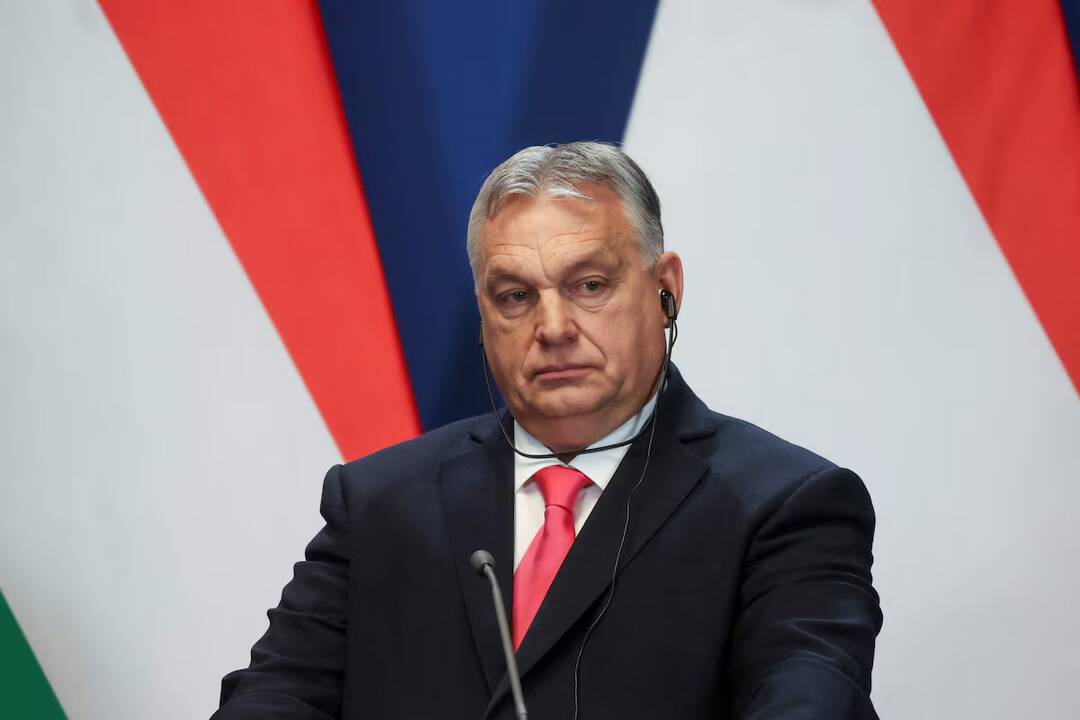
European Union systematically raping law: Hungarian PM
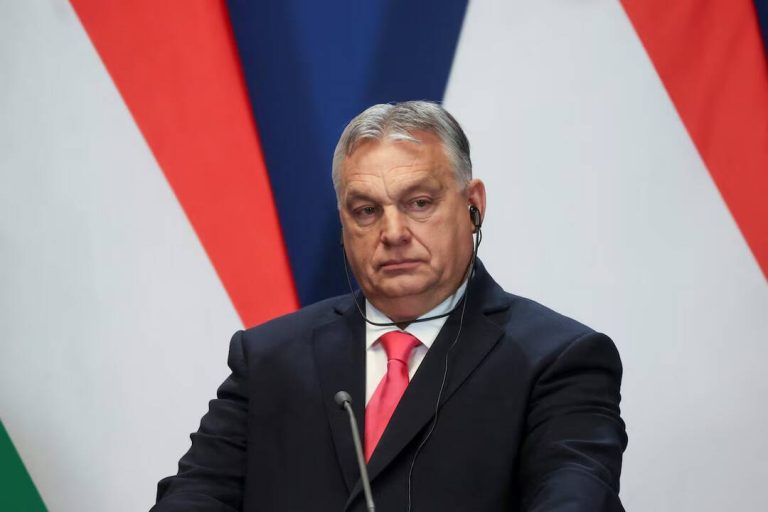
In a scathing critique of the European Union’s latest proposal, Hungarian Prime Minister Viktor Orban has accused EU officials of “systematically raping European law”. The proposal in question seeks to bypass member-state vetoes and indefinitely freeze Russian assets using Article 122, a move that has been met with strong opposition from Hungary. According to Orban, this plan would mark the end of unanimity among EU member states and pave the way for a “Brusselian dictatorship”.
The EU’s proposal aims to allow decisions to be made by majority vote, rather than requiring unanimous consent from all member states. This would enable the EU to take action on issues such as freezing Russian assets, without needing the approval of all member states. Furthermore, the plan would channel profits from frozen Russian assets to Ukraine, in an effort to support the country’s war efforts.
However, Orban has been vocal in his opposition to this plan, warning that it would undermine the fundamental principles of the EU and create a system of governance that is undemocratic and unaccountable. By allowing decisions to be made by majority vote, Orban argues that the EU would be able to impose its will on member states without their consent, effectively ending the principle of unanimity that has guided EU decision-making up until now.
Orban’s comments have sparked a heated debate within the EU, with some member states expressing support for the proposal and others joining Hungary in opposing it. The EU has argued that the proposal is necessary in order to respond to the ongoing crisis in Ukraine and to take action against Russia’s aggression. However, Orban and other critics argue that the proposal is a power grab by the EU, and that it would undermine the sovereignty of member states.
The Hungarian PM has vowed to fight against the proposal, and to work towards restoring lawful order within the EU. Orban has long been a critic of the EU’s efforts to centralize power and undermine the sovereignty of member states. He has argued that the EU should respect the diversity and autonomy of its member states, and that it should not seek to impose a one-size-fits-all solution on all countries.
The proposal to use Article 122 to freeze Russian assets and channel profits to Ukraine is just the latest example of the EU’s efforts to expand its powers and undermine the sovereignty of member states. Orban has warned that if the EU is allowed to proceed with this plan, it would mark the beginning of a “Brusselian dictatorship”, in which the EU would be able to impose its will on member states without their consent.
The implications of this proposal are far-reaching, and could have significant consequences for the future of the EU. If the EU is able to bypass member-state vetoes and make decisions by majority vote, it could lead to a situation in which the EU is able to impose its will on member states without their consent. This could undermine the democratic principles that underpin the EU, and create a system of governance that is undemocratic and unaccountable.
Furthermore, the proposal could also have significant economic consequences. The freezing of Russian assets and the channeling of profits to Ukraine could have a major impact on the European economy, particularly if it leads to a significant reduction in trade between the EU and Russia. This could have far-reaching consequences for European businesses and consumers, and could lead to a decline in economic growth and prosperity.
In conclusion, the European Union’s proposal to use Article 122 to freeze Russian assets and channel profits to Ukraine has sparked a heated debate within the EU. Hungarian Prime Minister Viktor Orban has accused EU officials of “systematically raping European law” and has vowed to fight against the proposal. The implications of this proposal are far-reaching, and could have significant consequences for the future of the EU. As the debate continues, it remains to be seen whether the EU will be able to push through its proposal, or whether member states such as Hungary will be able to block it.
Source: https://www.rt.com/news/629357-orban-eu-raping-law/amp/
About the Author