When and where to watch Geminid meteor shower in India?
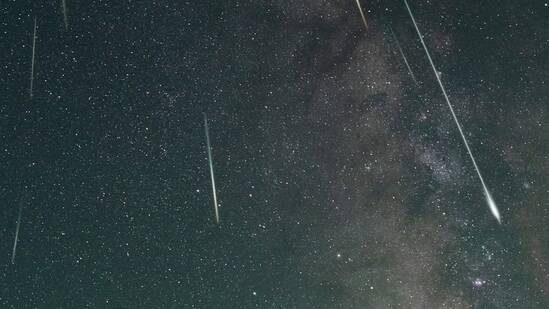
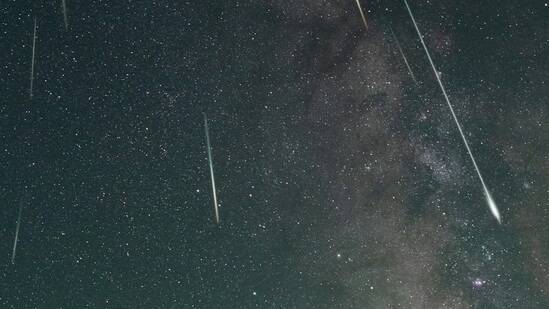
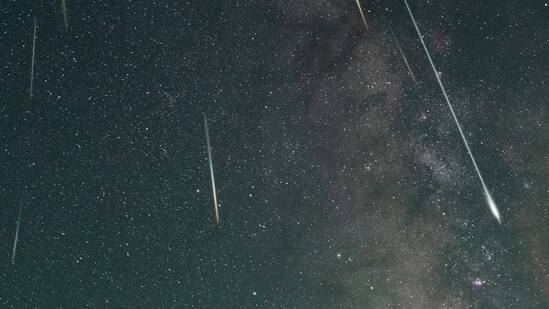
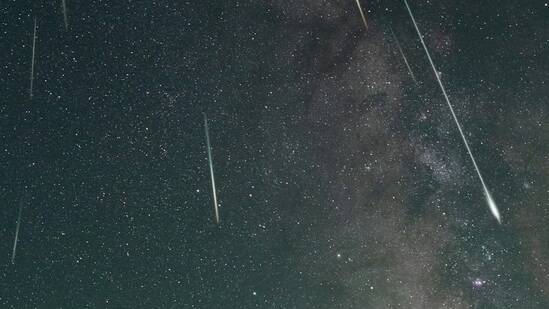
The night sky is all set to put up a spectacular show as the Geminid meteor shower is expected to peak on the intervening night of December 13-14. This annual meteor shower is one of the most popular and active showers of the year, and astronomy enthusiasts in India are eagerly waiting to witness the celestial event. If you are one of them, here’s all you need to know about when and where to watch the Geminid meteor shower in India.
The Geminid meteor shower is caused by the Earth passing through the debris trail left behind by the asteroid 3200 Phaethon. As the Earth encounters the tiny particles of debris, they enter the Earth’s atmosphere and burn up, producing the bright streaks of light in the sky that we commonly refer to as shooting stars. The Geminid meteor shower is named after the constellation Gemini, from which the meteors appear to originate.
As per Starscapes Zones, the best time for viewing the Geminid meteor shower in India is between midnight and 4 am on December 14. During this time, the sky will be at its darkest, and the meteors will be most visible. It is essential to find a location with minimal light pollution to get the best view of the meteor shower. City lights can make it difficult to see the meteors, so it’s recommended to head out to a rural area or a spot away from the city lights.
To view the meteor shower, you don’t need any special equipment. Just find a comfortable spot with an unobstructed view of the sky, and be prepared to spend a few hours gazing up at the stars. It’s a good idea to dress warmly, as it can get chilly while waiting for the meteors to appear. You can also bring a blanket or a chair to make your viewing experience more comfortable.
Some of the best places to watch the Geminid meteor shower in India include:
- Rann of Kutch in Gujarat: This vast salt desert offers a unique and unobstructed view of the night sky, making it an ideal location for stargazing.
- Spiti Valley in Himachal Pradesh: Located in the Himalayas, Spiti Valley offers a pristine and pollution-free environment, perfect for viewing the meteor shower.
- Ladakh: Known for its clear skies and minimal light pollution, Ladakh is another excellent location for witnessing the Geminid meteor shower.
- Coorg in Karnataka: This hill station in southern India offers a tranquil and scenic environment, making it an ideal spot for stargazing.
In addition to these locations, you can also try to find a spot in your local area that is away from city lights. Some suggestions include:
- A nearby park or forest
- A rooftop or a balcony with an unobstructed view of the sky
- A spot near a lake or a river, where the sky is likely to be clearer
While the Geminid meteor shower is expected to peak on the intervening night of December 13-14, it’s not the only time you can see the meteors. The shower will be active from December 4 to 17, so you can try to catch a glimpse of the meteors on any of these nights. However, the peak night is expected to offer the best viewing experience, with the highest number of meteors visible per hour.
To make the most of your meteor-watching experience, here are some tips:
- Arrive at your viewing location early to get settled and accustomed to the dark sky.
- Dress warmly and bring snacks and drinks to keep you comfortable during the viewing session.
- Bring a blanket or a chair to make your viewing experience more comfortable.
- Try to avoid using your phone or any other device with a screen, as the light can disrupt your night vision.
- Be patient and enjoy the experience – the meteors can appear at any time, and it’s essential to be prepared to wait.
In conclusion, the Geminid meteor shower is a spectacular celestial event that is not to be missed. With the peak night approaching, astronomy enthusiasts in India are eagerly waiting to witness the show. By finding a location with minimal light pollution and following some simple tips, you can make the most of your meteor-watching experience. So mark your calendars for the intervening night of December 13-14, and get ready to witness the magic of the Geminid meteor shower.
About the Author