India opposes Mexico’s 50% tariffs on exports: Report
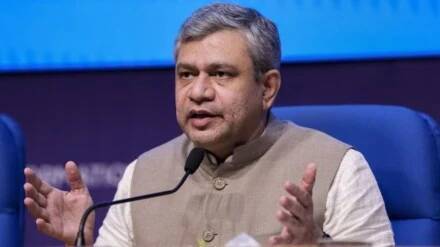
The Indian government has expressed strong opposition to Mexico’s recent announcement of imposing up to 50% tariffs on Indian exports. According to a report by Republic, the Centre has stated that it may take “appropriate measures” to protect the interests of Indian exporters who will be affected by this move. The government has also emphasized its commitment to continuing diplomatic efforts to reverse the decision, which it believes is not in line with the “spirit of cooperative economic engagement” between the two countries.
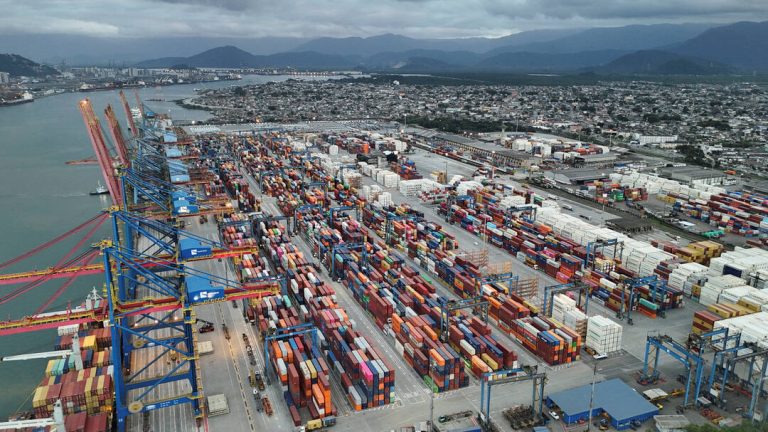
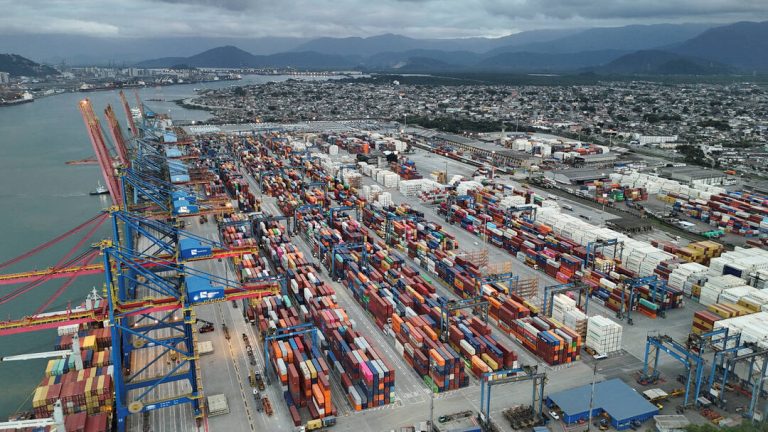
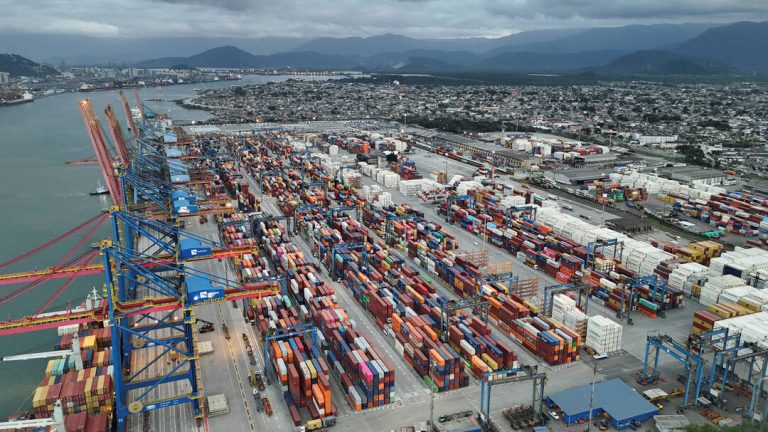
The tariffs imposed by Mexico are expected to impact a wide range of Indian products, with approximately 1,400 items likely to be affected. This move is likely to have significant implications for Indian exporters, who will face increased costs and reduced competitiveness in the Mexican market. The Indian government has understandably taken a strong stance against this decision, recognizing the potential harm it could cause to the country’s export sector.
The imposition of tariffs by Mexico is a clear example of protectionism, which can have far-reaching consequences for global trade. The Indian government has rightly pointed out that this move is not in line with the principles of cooperative economic engagement, which emphasize the importance of free and fair trade between nations. By imposing tariffs on Indian exports, Mexico is essentially creating a barrier to trade, which can lead to a decline in economic cooperation and mutual benefit between the two countries.
The Indian government’s decision to take “appropriate measures” to protect exporters is a welcome move, as it recognizes the need to safeguard the interests of Indian businesses. This could involve a range of measures, including negotiating with the Mexican government to revise or repeal the tariffs, or exploring other trade agreements and partnerships that can help offset the impact of the tariffs.
It is also significant that the Indian government has emphasized its commitment to continuing diplomatic efforts to reverse the decision. This approach recognizes that trade disputes can often be resolved through dialogue and negotiation, rather than resorting to retaliatory measures. By engaging with the Mexican government and other stakeholders, India can work towards finding a solution that benefits both countries and promotes mutual economic cooperation.
The impact of Mexico’s tariffs on Indian exports will be closely watched in the coming months. If the tariffs are not revised or repealed, it could lead to a decline in Indian exports to Mexico, which could have significant implications for the country’s trade balance and economic growth. On the other hand, if the Indian government is successful in its diplomatic efforts, it could help to strengthen trade relations between the two countries and promote greater economic cooperation.
In conclusion, the Indian government’s opposition to Mexico’s 50% tariffs on exports is a timely and necessary move. By taking a strong stance against protectionism and promoting free and fair trade, India can help to safeguard the interests of its exporters and promote greater economic cooperation with other countries. The outcome of this dispute will be closely watched, and it remains to be seen whether the Indian government’s diplomatic efforts will be successful in reversing the tariffs.
As the global trade landscape continues to evolve, it is essential for countries to work together to promote free and fair trade. The imposition of tariffs and other protectionist measures can have far-reaching consequences, and it is essential for governments to recognize the importance of cooperative economic engagement. By promoting mutual understanding and cooperation, countries can work towards creating a more equitable and prosperous global economy.
The Indian government’s approach to this dispute is a positive example of how countries can work together to resolve trade disputes and promote greater economic cooperation. By emphasizing the importance of diplomatic efforts and mutually beneficial trade agreements, India can help to promote a more cooperative and equitable global trade environment.
In the coming months, it will be essential to monitor the developments in this dispute and assess the impact of Mexico’s tariffs on Indian exports. The Indian government’s response to this challenge will be critical in determining the outcome of this dispute and promoting greater economic cooperation between India and Mexico.
For more information on this story, please visit: https://www.newsbytesapp.com/news/business/india-warns-of-retaliation-as-mexico-imposes-50-tariffs/story
About the Author