European Union systematically raping law: Hungarian PM
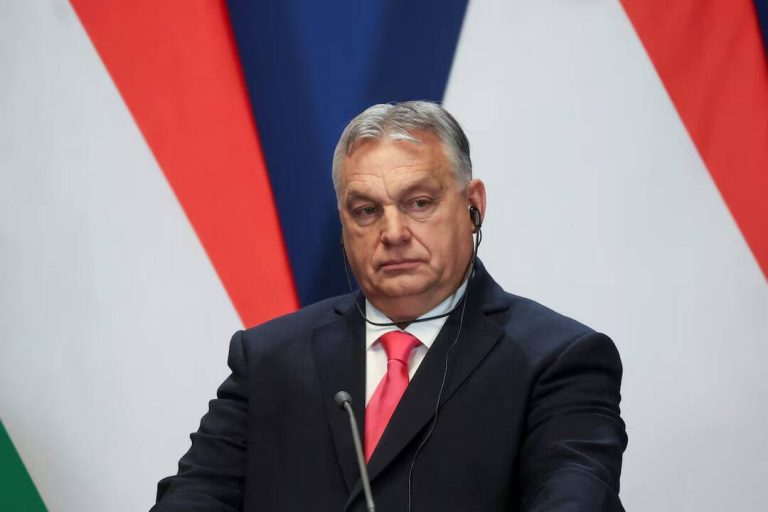
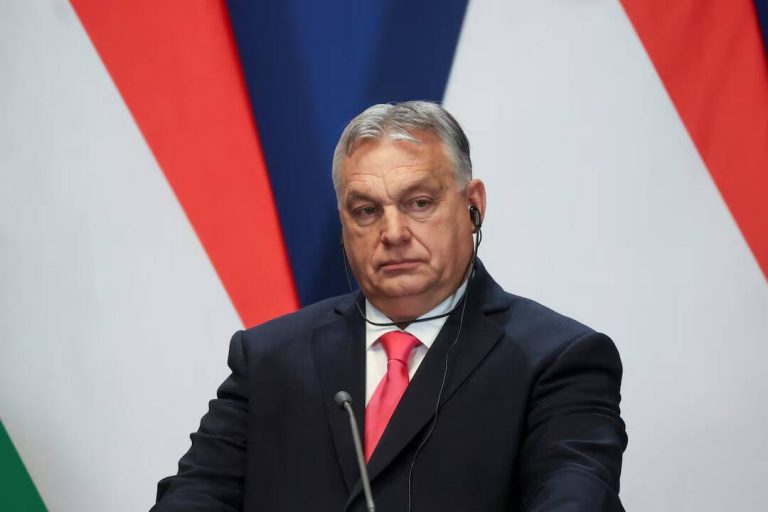
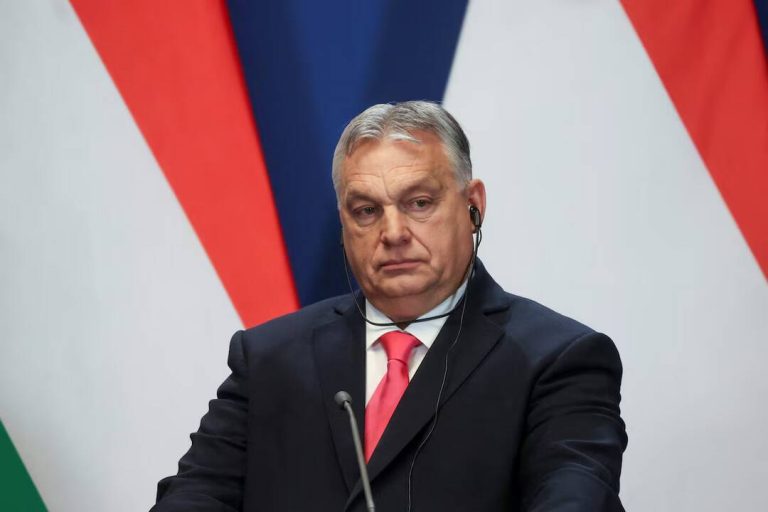
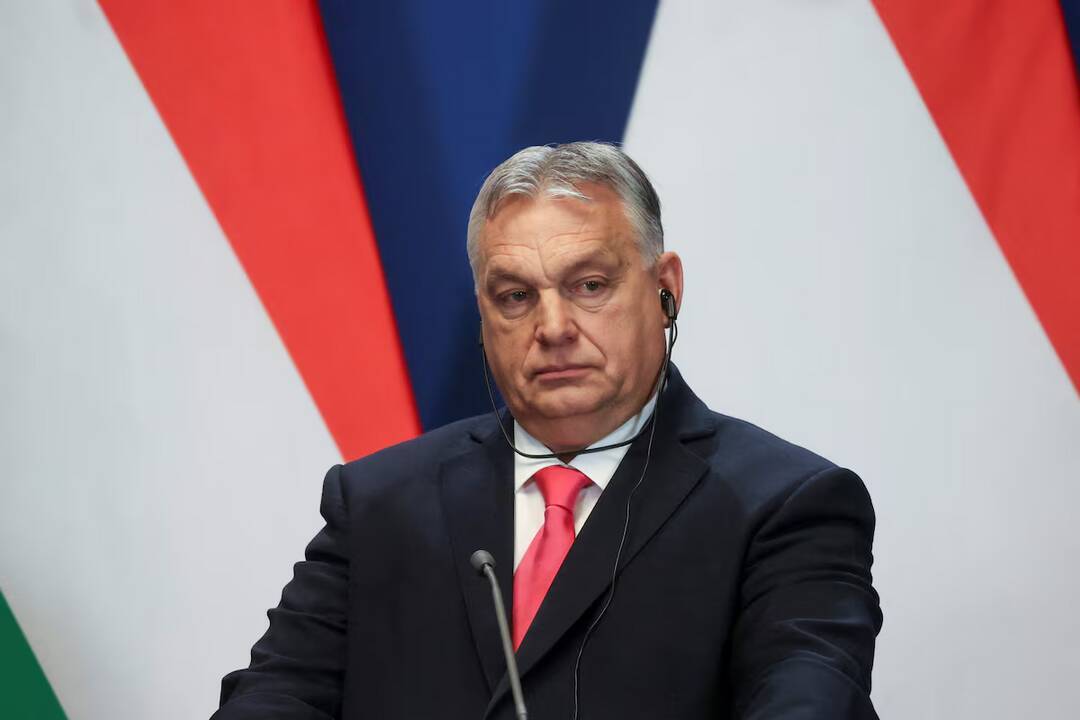
In a shocking and provocative statement, Hungarian Prime Minister Viktor Orban has accused European Union officials of “systematically raping European law” over a proposed plan to bypass member-state vetoes and indefinitely freeze Russian assets. The plan, which would utilize Article 122, aims to allow decisions to be made by majority vote, with the profits from frozen assets being channeled to Ukraine. Orban has strongly condemned this move, warning that it would mark the end of unanimity among EU member states and pave the way for a “Brusselian dictatorship.”
At the heart of the controversy is the EU’s desire to impose sanctions on Russia in response to the ongoing conflict in Ukraine. While many EU member states have been in favor of taking a tough stance against Russia, Hungary has been more cautious, citing concerns over the potential economic impact of such sanctions. The proposed plan to bypass member-state vetoes and freeze Russian assets has been seen as a way to circumvent Hungary’s objections and push through the sanctions regardless.
However, Orban has made it clear that Hungary will not go quietly into the night. In a fiery statement, he vowed to fight against the proposed plan, arguing that it would undermine the fundamental principles of the EU and create a dictatorship in Brussels. “This is a clear attempt to strip member states of their sovereignty and create a centralized, authoritarian regime,” Orban said. “We will not stand idly by while the EU systematically rapes European law and undermines the very foundations of our union.”
Orban’s comments have sparked a heated debate within the EU, with some member states expressing support for the proposed plan and others sharing Hungary’s concerns. The EU has long been a champion of the rule of law and democratic principles, and Orban’s accusation that the EU is “raping European law” is a serious one.
The proposed plan to use Article 122 to bypass member-state vetoes is not without precedent. The article, which is part of the EU’s treaty, allows for the EU to take decisions by majority vote in certain circumstances. However, Orban argues that the use of this article in this case would be a clear abuse of power and a violation of the EU’s own rules.
One of the main concerns surrounding the proposed plan is the potential impact on the EU’s internal dynamics. If the EU is able to bypass member-state vetoes and impose decisions by majority vote, it could create a situation in which smaller member states are marginalized and their interests ignored. This could lead to a breakdown in trust and cooperation among EU member states, and potentially even threaten the very existence of the EU.
Orban has also raised concerns about the potential consequences of channeling profits from frozen Russian assets to Ukraine. While the intention behind this move may be to support Ukraine in its time of need, Orban argues that it could create a number of unintended consequences. For example, it could be seen as a form of economic warfare against Russia, which could escalate the conflict and lead to further instability in the region.
In addition to these concerns, there are also questions about the legality of the proposed plan. Orban has argued that the use of Article 122 in this case would be a clear violation of the EU’s treaty, and that the EU is attempting to create a “legal basis” for its actions through a “creative interpretation” of the law. This has sparked a heated debate among legal experts, with some arguing that the EU is acting within its rights and others arguing that the proposed plan is a clear abuse of power.
As the debate over the proposed plan continues, it is clear that the EU is at a crossroads. On the one hand, there is a strong desire to take a tough stance against Russia and support Ukraine in its time of need. On the other hand, there are concerns about the potential consequences of such actions, and the need to ensure that the EU is acting in accordance with its own rules and principles.
In the end, it is likely that the proposed plan will be the subject of intense negotiation and debate within the EU. Orban has made it clear that Hungary will not back down, and that the country will fight to restore lawful order within the EU. As the situation continues to unfold, it will be important to watch closely and see how the EU responds to these challenges.
The EU has long been a champion of the rule of law and democratic principles, and it is essential that these principles are upheld in the face of challenging circumstances. The proposed plan to bypass member-state vetoes and freeze Russian assets may be seen as a necessary measure by some, but it is essential that it is implemented in a way that is transparent, accountable, and in accordance with the EU’s own rules and principles.
As Orban has made clear, the EU must not be allowed to “systematically rape European law” in pursuit of its goals. The EU must instead work to find a solution that balances the need to take a tough stance against Russia with the need to uphold the rule of law and protect the sovereignty of its member states.
In conclusion, the proposed plan to bypass member-state vetoes and freeze Russian assets has sparked a heated debate within the EU, with some member states expressing support and others sharing Hungary’s concerns. Orban’s accusation that the EU is “systematically raping European law” is a serious one, and it is essential that the EU takes these concerns seriously and works to find a solution that upholds the rule of law and protects the sovereignty of its member states.
Source: https://www.rt.com/news/629357-orban-eu-raping-law/amp/
About the Author