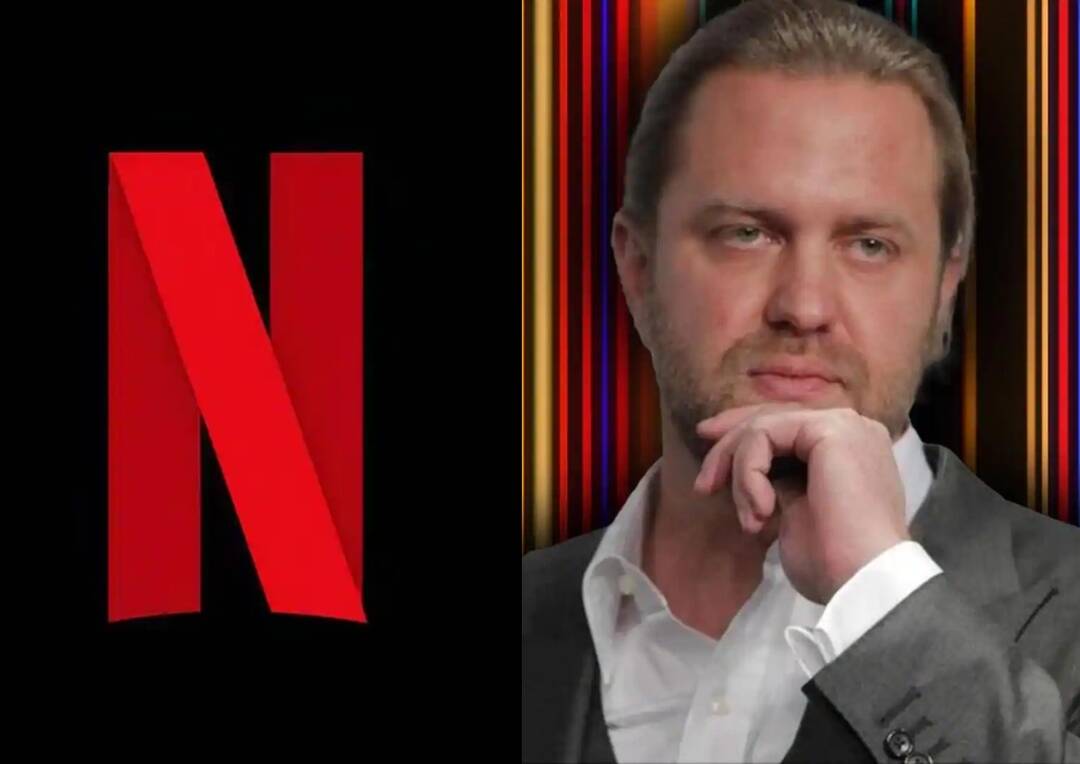
H’wood director Rinsch convicted of scamming Netflix out of $11-mn
In a shocking turn of events, Hollywood director Carl Erik Rinsch has been convicted of defrauding Netflix out of a staggering $11 million. The funds were intended for a science-fiction show that was never made, and instead, Rinsch used them to fund a life of luxury. The court found that Rinsch had siphoned off the money meant for the long-delayed series ‘White Horse’, leaving Netflix with a significant financial loss.
The conviction of Rinsch has sent shockwaves through the entertainment industry, with many questioning how such a large-scale scam could go undetected for so long. The case highlights the need for stricter accounting and oversight in the production of television shows and films, particularly when dealing with large budgets and high-profile streaming platforms like Netflix.
According to the court, Rinsch had been given the funds to produce the science-fiction series ‘White Horse’, which was supposed to be a flagship show for Netflix. However, instead of using the money to produce the show, Rinsch diverted it to his own personal accounts and used it to fund a lavish lifestyle. The court found that Rinsch had used the money to purchase luxury items, travel, and invest in other business ventures.
The scam was uncovered when Netflix auditors discovered discrepancies in the accounting records for the show. An investigation was launched, and it was found that Rinsch had been falsifying documents and misrepresenting the production status of the show to Netflix executives. The investigation also revealed that Rinsch had been using the money to pay off personal debts and fund other business ventures.
Rinsch’s conviction is a significant blow to his reputation and career. He faces a maximum of 90 years in prison and is scheduled to be sentenced on April 17, 2026. The sentence will likely be less than the maximum, but it is still expected to be severe. The conviction also raises questions about the accountability of production companies and the need for stricter regulations to prevent such scams in the future.
The case also highlights the risks associated with the production of television shows and films. The entertainment industry is known for its high-risk, high-reward nature, and the production of a show or film can be a complex and costly process. However, the conviction of Rinsch shows that there are also risks associated with the financial side of the industry, and that producers and production companies must be held accountable for their actions.
In recent years, there have been several high-profile cases of fraud and embezzlement in the entertainment industry. The conviction of Rinsch is just the latest example of the need for stricter regulations and oversight in the industry. It is likely that the case will lead to calls for greater transparency and accountability in the production of television shows and films, particularly when dealing with large budgets and high-profile streaming platforms like Netflix.
The impact of the conviction on the entertainment industry is likely to be significant. The case will likely lead to a re-examination of the production process and the way that funds are allocated and accounted for. It may also lead to changes in the way that streaming platforms like Netflix do business with production companies and producers.
In conclusion, the conviction of Carl Erik Rinsch is a shocking reminder of the risks associated with the financial side of the entertainment industry. The case highlights the need for stricter regulations and oversight in the production of television shows and films, particularly when dealing with large budgets and high-profile streaming platforms like Netflix. The conviction is a significant blow to Rinsch’s reputation and career, and it is likely to have a lasting impact on the entertainment industry as a whole.
News source: https://www.newsbytesapp.com/news/entertainment/hollywood-director-convicted-for-scamming-netflix/story
About the Author