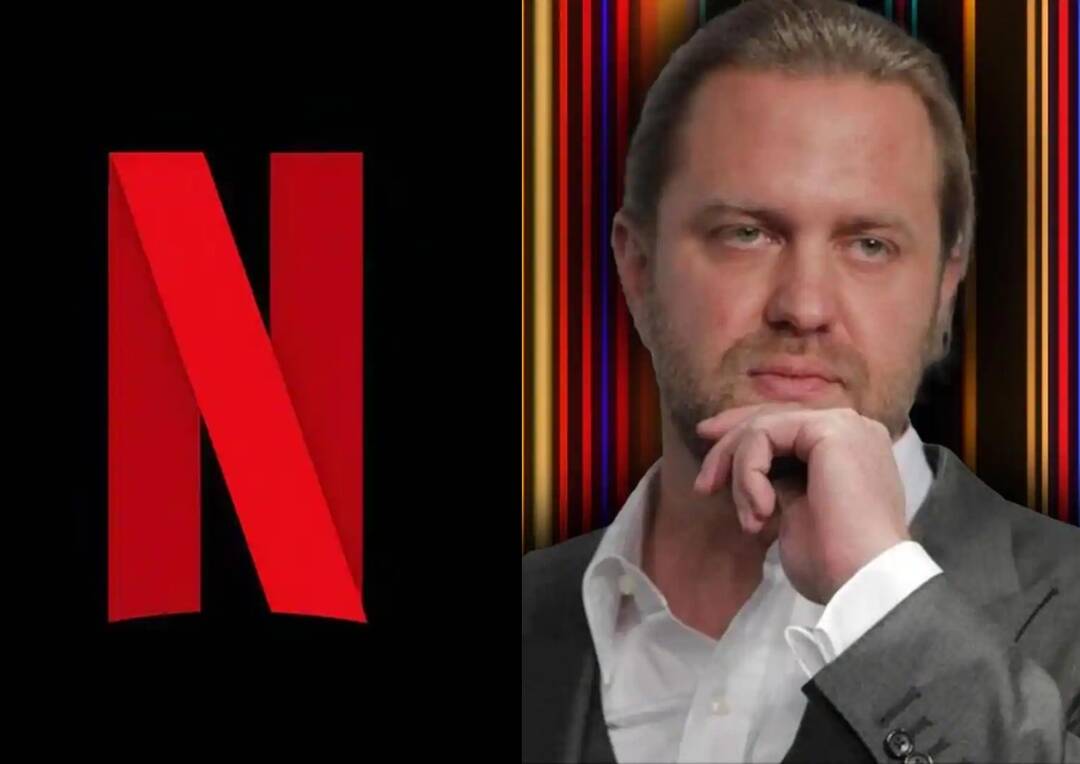
H’wood director Rinsch convicted of scamming Netflix out of $11-mn
The world of Hollywood has been shaken by a shocking scandal, as renowned director Carl Erik Rinsch has been convicted of defrauding streaming giant Netflix out of a staggering $11 million. The funds were intended for a science-fiction show that was never made, and instead, Rinsch used them to fund a life of luxury. The court’s verdict has sent shockwaves through the entertainment industry, with many left wondering how such a massive scam could go undetected for so long.
According to reports, Rinsch had been working on a long-delayed series called “White Horse,” which was supposed to be a flagship show for Netflix. However, despite receiving millions of dollars in funding, the project never saw the light of day. Instead, Rinsch siphoned off the funds and used them to finance his own lavish lifestyle, complete with expensive cars, luxurious properties, and high-end vacations.
The court’s investigation revealed that Rinsch had been using the funds for personal expenses, including paying off his own debts and investing in other business ventures. The director had also used the money to buy expensive gifts for himself and his friends, including a luxury watch and a high-end sports car. The sheer scale of Rinsch’s scam has left many in the industry stunned, with some questioning how Netflix could have allowed such a massive fraud to occur.
Rinsch’s conviction is a significant blow to his reputation and career, and he could face severe consequences for his actions. The director is scheduled to be sentenced on April 17, 2026, and could face a maximum of 90 years in prison. The sentence will depend on the court’s assessment of the severity of the crime and the extent of the damage caused to Netflix and its stakeholders.
The scandal has also raised questions about the lack of oversight and accountability in the entertainment industry. How could a director like Rinsch, with a reputation for producing high-quality content, get away with such a massive scam? The answer lies in the complex web of contracts, agreements, and financing arrangements that underpin the production of TV shows and movies.
In the case of “White Horse,” Netflix had reportedly signed a deal with Rinsch’s production company, which included a significant upfront payment for the development of the show. However, the contract apparently did not include sufficient safeguards to prevent Rinsch from misusing the funds. The lack of transparency and oversight allowed Rinsch to siphon off the money and use it for his own personal gain.
The scandal has significant implications for the entertainment industry, which is already facing intense scrutiny over issues of accountability and transparency. The case highlights the need for more robust safeguards and oversight mechanisms to prevent similar scams from occurring in the future. Netflix and other streaming platforms will need to review their contracts and agreements to ensure that they are protected against such frauds.
The conviction of Carl Erik Rinsch is a wake-up call for the entertainment industry, and a reminder that even the most respected and successful professionals can be capable of deceit and fraud. As the industry continues to evolve and grow, it is essential that stakeholders prioritize transparency, accountability, and oversight to prevent such scandals from occurring in the future.
In conclusion, the conviction of Carl Erik Rinsch for scamming Netflix out of $11 million is a shocking reminder of the dangers of fraud and deception in the entertainment industry. The case highlights the need for more robust safeguards and oversight mechanisms to prevent similar scams from occurring in the future. As the industry continues to grapple with the implications of this scandal, one thing is clear: the era of unchecked excess and corruption in Hollywood is coming to an end.
About the Author