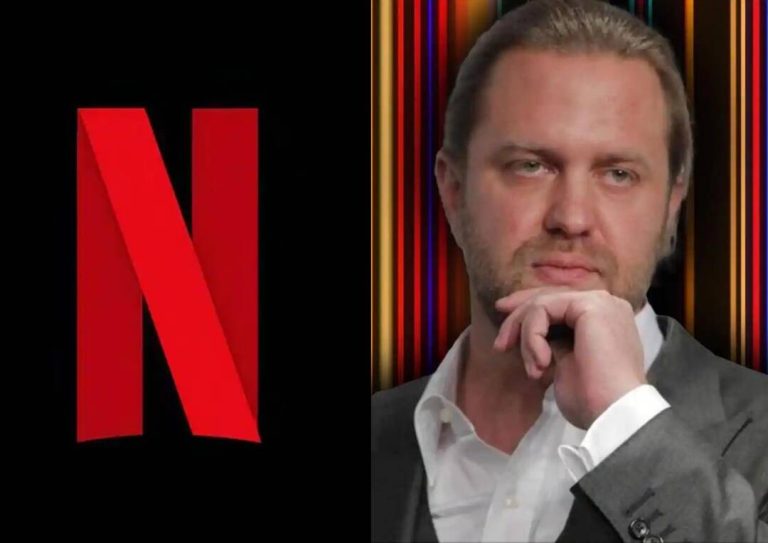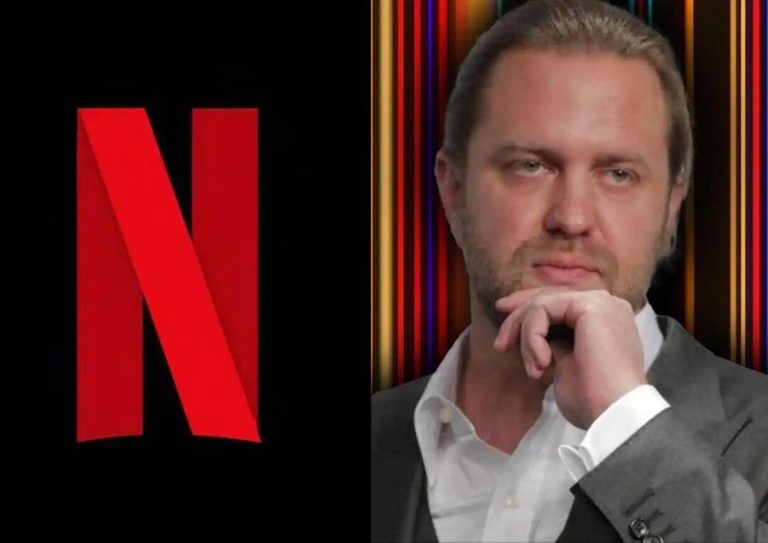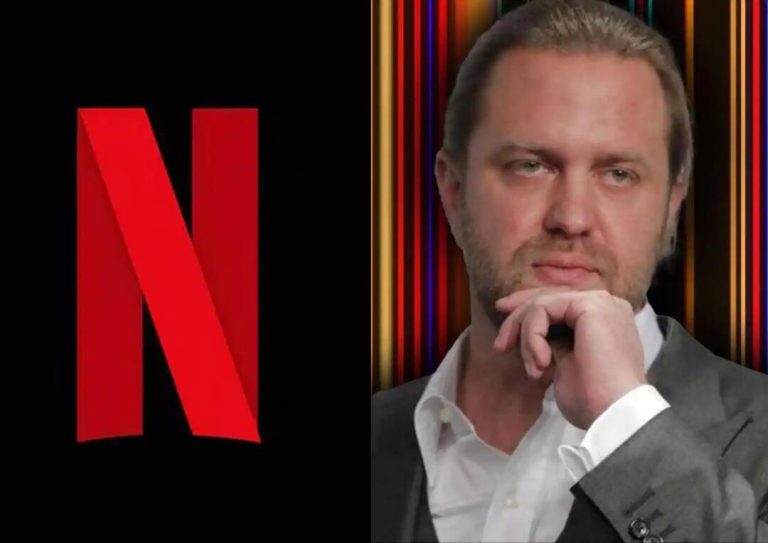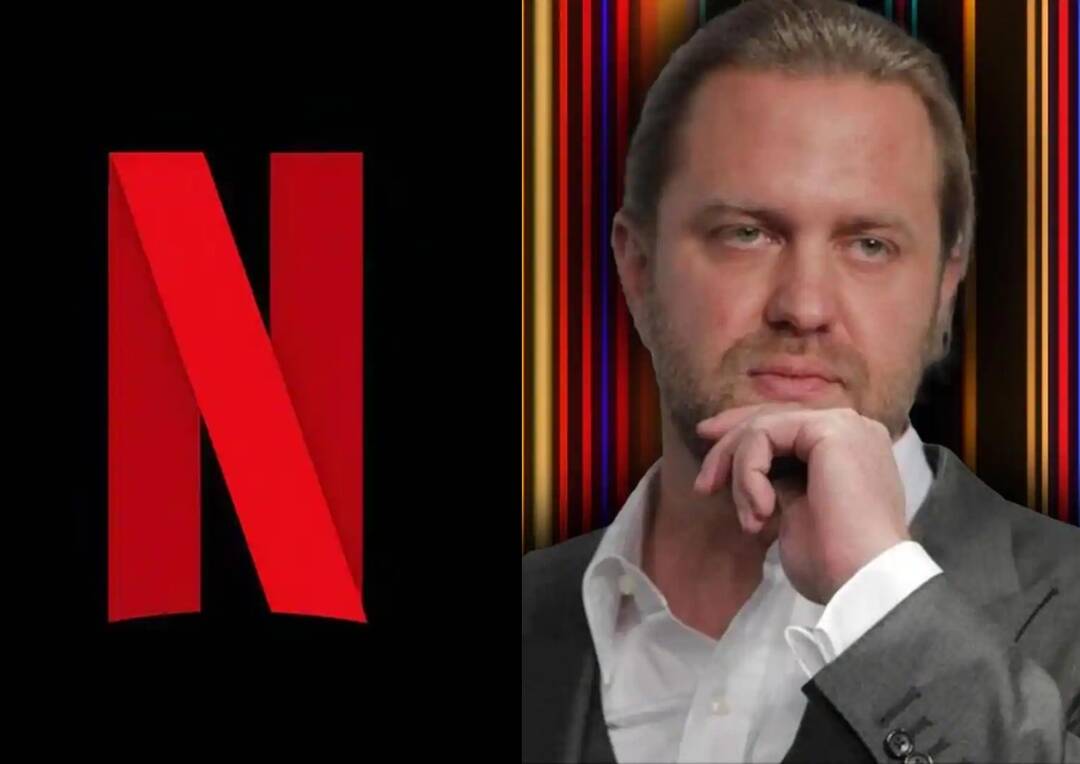
H’wood director Rinsch convicted of scamming Netflix out of $11-mn
The entertainment industry has been shaken by a shocking scandal involving a prominent Hollywood director, Carl Erik Rinsch, who has been convicted of defrauding Netflix out of a staggering $11 million. The funds were intended for a science-fiction show that was never made, and instead, Rinsch used them to fund a life of luxury. The court’s verdict has sent shockwaves through the industry, and Rinsch could face a maximum of 90 years in prison.
According to reports, Rinsch had been working on a long-delayed series called “White Horse,” which was supposed to be a flagship show for Netflix. However, despite the streaming giant’s significant investment, the project never saw the light of day. Instead, Rinsch siphoned off the funds and used them to finance his own lavish lifestyle. The court found that Rinsch had embezzled the money, using it to pay for personal expenses, including luxury cars, real estate, and high-end vacations.
The news of Rinsch’s conviction has sparked outrage and disappointment among fans and industry insiders alike. Many are questioning how such a large-scale scam could have gone undetected for so long. Netflix, which has been at the forefront of the streaming revolution, has been left red-faced by the scandal. The company has been tight-lipped about the incident, but sources close to the matter have revealed that Netflix had been suspicious of Rinsch’s activities for some time.
Rinsch’s conviction is a significant blow to his reputation and career. The director had been touted as one of the most promising talents in Hollywood, with a string of high-profile projects under his belt. However, his downfall is a stark reminder of the dangers of greed and corruption in the entertainment industry. The fact that Rinsch was able to scam Netflix out of such a large sum of money raises serious questions about the company’s accounting practices and oversight.
The case against Rinsch was built on a mountain of evidence, including financial records, emails, and witness testimony. The prosecution presented a damning case, showing how Rinsch had systematically siphoned off funds from the “White Horse” project and used them for personal gain. The defense, on the other hand, argued that Rinsch had been struggling financially and had been forced to use the funds to keep his production company afloat.
However, the jury was unconvinced by Rinsch’s defense, and he was found guilty on multiple counts of wire fraud and embezzlement. The verdict was met with a mixture of shock and relief, with many in the industry breathing a sigh of relief that justice had been served.
Rinsch’s sentencing is scheduled for April 17, 2026, and he could face a maximum of 90 years in prison. The severity of the sentence will depend on various factors, including the extent of the fraud and Rinsch’s level of cooperation with the authorities. However, one thing is certain – Rinsch’s career is all but over, and he will likely spend the rest of his life paying for his crimes.
The scandal surrounding Rinsch’s conviction is a stark reminder of the importance of accountability and transparency in the entertainment industry. It highlights the need for stricter oversight and regulation, particularly when it comes to large-scale productions and big-budget projects. Netflix, in particular, will need to take a long, hard look at its accounting practices and ensure that such a scandal never happens again.
In conclusion, the conviction of Carl Erik Rinsch is a shocking reminder of the dangers of greed and corruption in the entertainment industry. The fact that Rinsch was able to scam Netflix out of $11 million is a staggering indictment of the company’s oversight and accounting practices. As the industry moves forward, it is essential that we learn from this scandal and take steps to prevent such incidents from happening in the future.
About the Author