H’wood director Rinsch convicted of scamming Netflix out of $11-mn
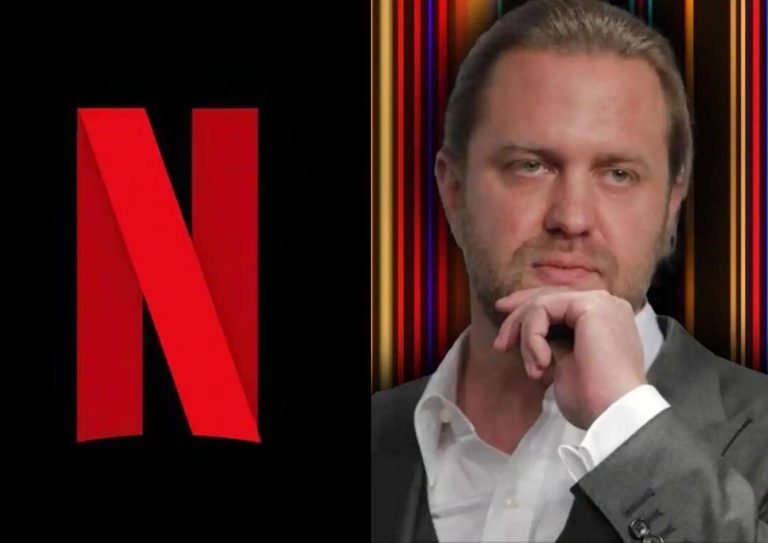
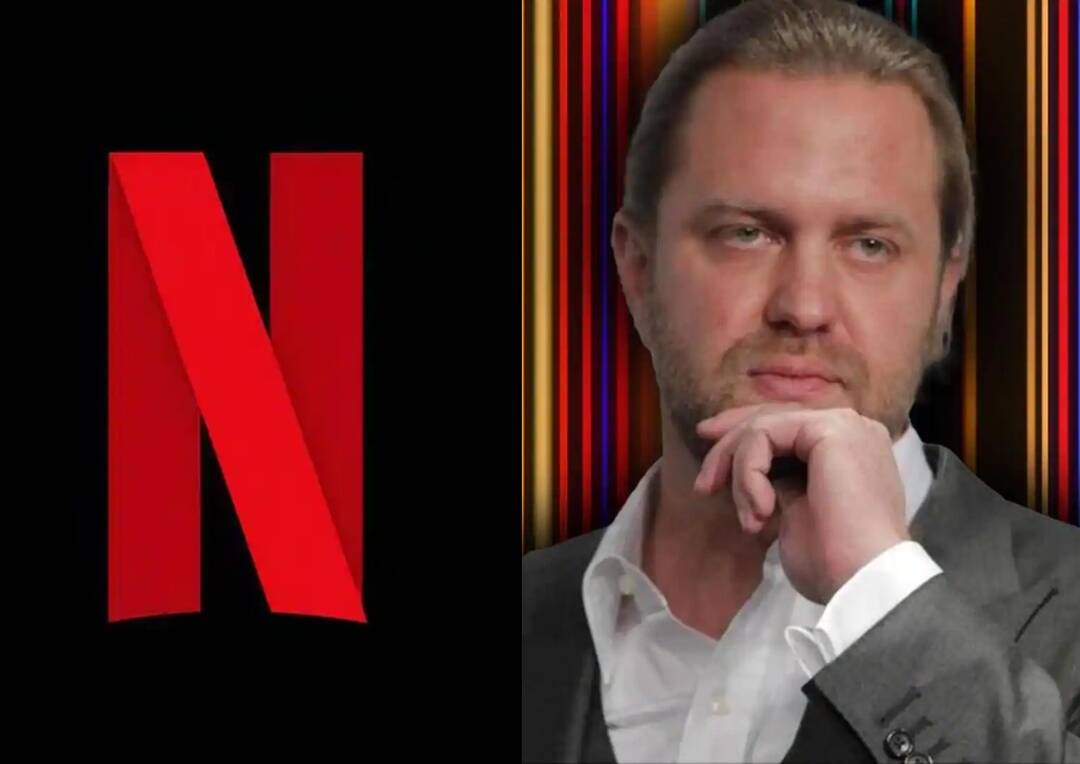
In a shocking turn of events, Hollywood director Carl Erik Rinsch has been convicted of defrauding Netflix out of a staggering $11 million. The funds were intended for a science-fiction show that was never made, and instead, Rinsch used them to fund his life of luxury. The court’s verdict has sent shockwaves through the entertainment industry, with many questioning how such a large-scale scam could have gone undetected for so long.
The show in question, “White Horse,” was a highly anticipated science-fiction series that was supposed to be Rinsch’s magnum opus. However, despite the initial excitement and hype surrounding the project, it soon became clear that something was amiss. The production was plagued by delays, and the cast and crew were left in the dark about the project’s status.
Meanwhile, Rinsch was using the funds intended for the show to live a life of luxury. He used the money to purchase expensive cars, real estate, and other lavish items. The court found that Rinsch had siphoned off millions of dollars from the production budget, leaving the show’s cast and crew high and dry.
The conviction is a significant blow to Rinsch’s reputation, and he could face severe consequences for his actions. The maximum sentence for his crimes is 90 years in prison, and he is scheduled to be sentenced on April 17, 2026. The sentencing will be eagerly watched by the entertainment industry, as it will serve as a warning to others who might be tempted to engage in similar fraudulent activities.
The case raises several questions about the accountability and oversight of production budgets in the entertainment industry. How could Rinsch have gotten away with siphoning off millions of dollars without being detected? What measures can be taken to prevent similar scams in the future?
The incident also highlights the risks and challenges associated with producing high-budget shows. The entertainment industry is known for its high-stakes deals and lavish spending, but this case shows that even the most well-intentioned projects can go awry.
Netflix, which was the victim of Rinsch’s scam, has not commented on the case. However, the streaming giant is likely to be taking a close look at its production protocols to ensure that such a scam cannot happen again in the future.
The conviction of Carl Erik Rinsch is a significant development in the entertainment industry, and it will have far-reaching consequences. As the industry grapples with the implications of this case, one thing is clear: the days of unchecked spending and lack of accountability are over.
The case also raises questions about the role of directors and producers in the entertainment industry. Are they given too much power and autonomy, allowing them to indulge in fraudulent activities? Should there be more oversight and accountability in the production process?
The answers to these questions will likely be debated in the coming months and years. However, one thing is certain: the conviction of Carl Erik Rinsch is a wake-up call for the entertainment industry. It highlights the need for greater transparency, accountability, and oversight in the production process.
As the entertainment industry continues to evolve and grow, it is essential to ensure that such scams do not happen again. The case of Carl Erik Rinsch serves as a warning to others who might be tempted to engage in similar activities. It also highlights the importance of accountability and oversight in the production process.
In conclusion, the conviction of Carl Erik Rinsch is a significant development in the entertainment industry. It highlights the need for greater transparency, accountability, and oversight in the production process. As the industry grapples with the implications of this case, one thing is clear: the days of unchecked spending and lack of accountability are over.
About the Author