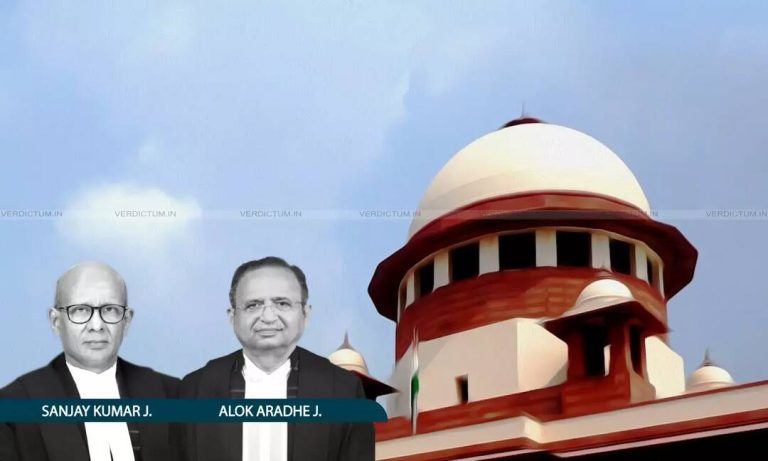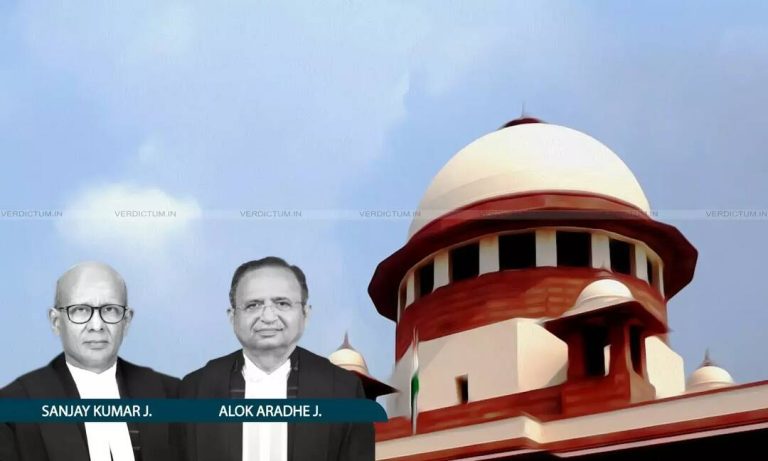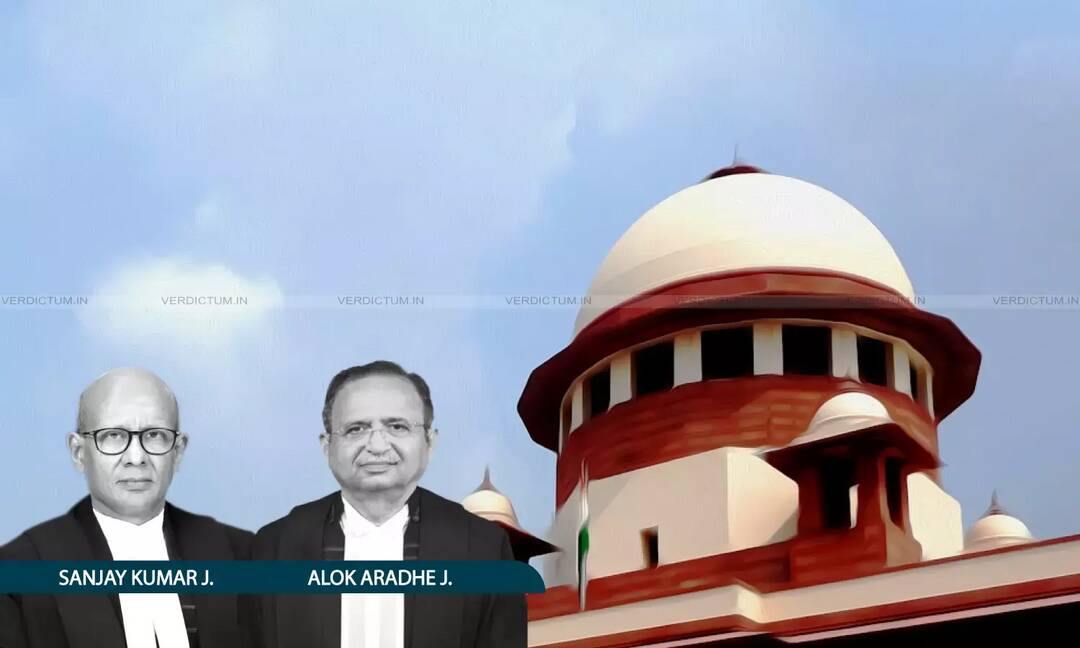
Substitution of sole arbitrator warranted once mandate ends: SC
The Supreme Court of India has recently made a significant ruling regarding the substitution of a sole arbitrator in arbitration proceedings. The Court has held that the substitution of a sole arbitrator is warranted when their mandate ceases to exist. This judgment has far-reaching implications for arbitration proceedings in India and provides clarity on the role of the Court in substitution of arbitrators.
The Supreme Court explained that on the expiry of the initial or extended period, the arbitrator cannot proceed, and their mandate terminates, subject to a court order passed in a proceeding under Section 29A(4) of the Arbitration and Conciliation Act. This means that once the arbitrator’s mandate comes to an end, they can no longer continue with the arbitration proceedings, and a new arbitrator needs to be appointed.
The Court’s ruling is based on the provisions of the Arbitration and Conciliation Act, 1996, which governs arbitration proceedings in India. The Act provides for the appointment of arbitrators, their powers and functions, and the procedure for conducting arbitration proceedings. The Court’s interpretation of the Act’s provisions will have a significant impact on the conduct of arbitration proceedings in India.
The substitution of a sole arbitrator is a critical issue in arbitration proceedings. The arbitrator plays a crucial role in resolving disputes between parties, and their independence and impartiality are essential for ensuring a fair and just outcome. When an arbitrator’s mandate ceases to exist, it is essential to appoint a new arbitrator to ensure that the arbitration proceedings can continue uninterrupted.
The Court’s ruling provides clarity on the circumstances under which a sole arbitrator’s mandate comes to an end. The Court has held that the arbitrator’s mandate terminates on the expiry of the initial or extended period, unless a court order is passed under Section 29A(4) of the Arbitration and Conciliation Act. This means that parties to an arbitration agreement must be aware of the time limits for completing the arbitration proceedings and must take steps to extend the time limit if necessary.
The Court’s ruling also highlights the importance of court intervention in arbitration proceedings. While arbitration is a private dispute resolution process, the Court plays a crucial role in ensuring that the arbitration proceedings are conducted fairly and in accordance with the law. The Court’s power to intervene in arbitration proceedings is limited, but it can be exercised in certain circumstances, such as when the arbitrator’s mandate ceases to exist.
In conclusion, the Supreme Court’s ruling on the substitution of a sole arbitrator is a significant development in the field of arbitration in India. The Court’s interpretation of the Arbitration and Conciliation Act’s provisions provides clarity on the circumstances under which a sole arbitrator’s mandate comes to an end and the role of the Court in substitution of arbitrators. The ruling will have far-reaching implications for arbitration proceedings in India and will ensure that arbitration remains a fair and effective means of resolving disputes.
The Court’s ruling is a reminder that arbitration is a complex and nuanced process that requires careful consideration of the applicable laws and procedures. Parties to an arbitration agreement must be aware of the time limits for completing the arbitration proceedings and must take steps to extend the time limit if necessary. They must also be aware of the circumstances under which a sole arbitrator’s mandate can cease to exist and the role of the Court in substitution of arbitrators.
In the case of Mohan Lal Fatehpuria v. MS Bharat Textiles & Ors. (2025 INSC 1409), the Supreme Court had the opportunity to consider the issue of substitution of a sole arbitrator. The Court’s ruling in this case provides valuable guidance on the circumstances under which a sole arbitrator’s mandate comes to an end and the role of the Court in substitution of arbitrators.
The Supreme Court’s ruling on the substitution of a sole arbitrator is a significant development in the field of arbitration in India. The ruling will have far-reaching implications for arbitration proceedings in India and will ensure that arbitration remains a fair and effective means of resolving disputes.
About the Author