Substitution of sole arbitrator warranted once mandate ends: SC
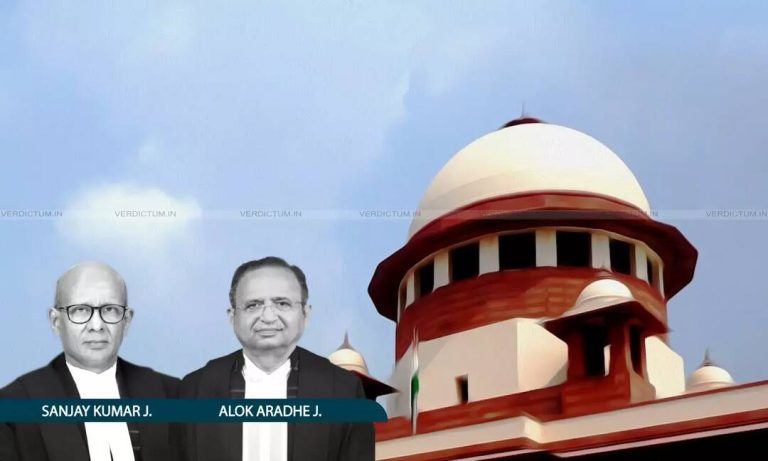
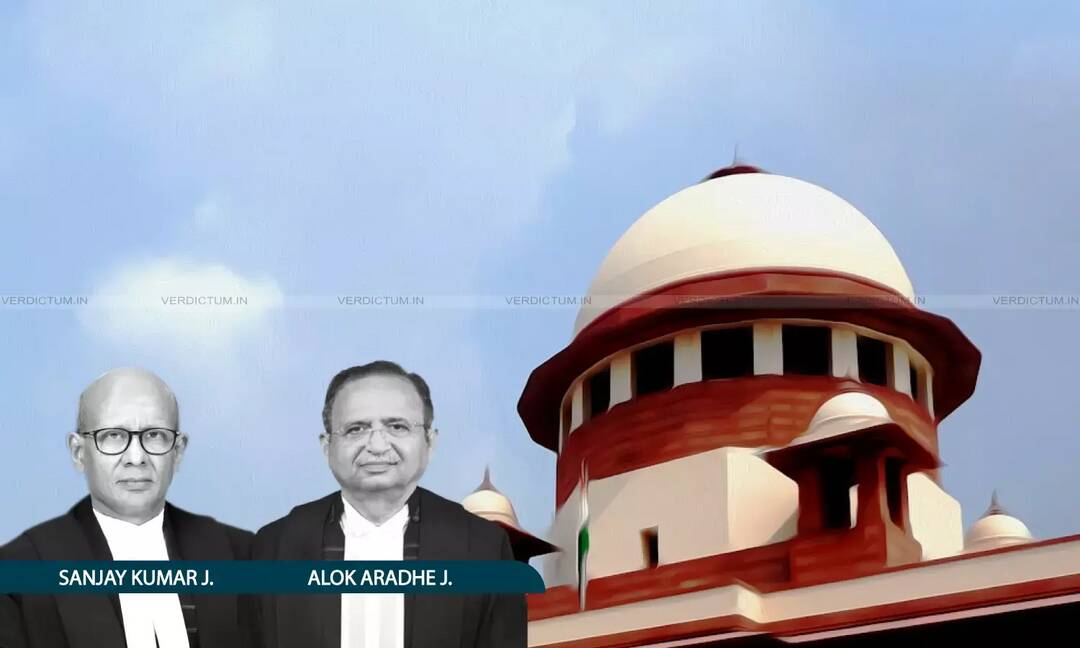
The Supreme Court of India has recently made a significant ruling regarding the substitution of a sole arbitrator in arbitration proceedings. The Court has held that the substitution of a sole arbitrator is warranted when their mandate ceases to exist. This ruling is expected to have far-reaching implications for arbitration proceedings in India.
The Court explained that on the expiry of the initial or extended period, the arbitrator cannot proceed, and their mandate terminates, subject to a court order passed in a proceeding under Section 29A(4) of the Arbitration and Conciliation Act. This means that if the arbitrator’s mandate has expired, they can no longer continue with the arbitration proceedings, and a new arbitrator must be appointed to take their place.
The Supreme Court’s decision is based on the principle that an arbitrator’s mandate is limited to the period specified in the arbitration agreement or any subsequent extensions granted by the parties or the court. Once this period expires, the arbitrator’s authority to act as an arbitrator comes to an end, and they can no longer make any decisions or awards in the arbitration proceedings.
The Court’s ruling is significant because it provides clarity on the issue of substitution of arbitrators in cases where the arbitrator’s mandate has expired. It also highlights the importance of ensuring that arbitration proceedings are conducted in a timely and efficient manner, and that any delays or extensions are properly managed to avoid any potential disputes or challenges.
In the case of Mohan Lal Fatehpuria v. MS Bharat Textiles & Ors., the Supreme Court was faced with a situation where the sole arbitrator’s mandate had expired, and the question arose as to whether the arbitrator could still continue with the arbitration proceedings. The Court held that the substitution of the sole arbitrator was warranted in this case, as the arbitrator’s mandate had ceased to exist.
The Court’s decision in this case is consistent with the principles of arbitration law, which emphasize the importance of ensuring that arbitration proceedings are fair, efficient, and timely. The Court’s ruling also highlights the need for parties to carefully manage the arbitration process, including the appointment and replacement of arbitrators, to avoid any potential disputes or challenges.
The substitution of a sole arbitrator is a significant issue in arbitration proceedings, as it can have a major impact on the outcome of the case. The arbitrator plays a crucial role in resolving disputes between parties, and their independence and impartiality are essential to ensuring a fair and just outcome. If an arbitrator’s mandate expires, it can create uncertainty and delay in the arbitration proceedings, which can be detrimental to the parties involved.
The Supreme Court’s ruling provides much-needed clarity on the issue of substitution of arbitrators and highlights the importance of ensuring that arbitration proceedings are conducted in a timely and efficient manner. The Court’s decision is expected to have significant implications for arbitration proceedings in India and will likely be closely followed by legal practitioners and parties involved in arbitration disputes.
In conclusion, the Supreme Court’s ruling that the substitution of a sole arbitrator is warranted once their mandate ends is a significant development in arbitration law. The Court’s decision provides clarity on the issue of substitution of arbitrators and highlights the importance of ensuring that arbitration proceedings are conducted in a timely and efficient manner. The ruling is expected to have far-reaching implications for arbitration proceedings in India and will likely be closely followed by legal practitioners and parties involved in arbitration disputes.
About the Author