In a first, gene-edited cell therapy cures aggressive blood cancer
In a groundbreaking achievement, UK researchers have successfully reversed T-cell acute lymphoblastic leukaemia, an aggressive blood cancer, using gene-edited immune cells for the first time. This innovative therapy, called BE-CAR7, has shown tremendous promise in targeting and destroying cancer cells, offering new hope to patients suffering from this devastating disease.
T-cell acute lymphoblastic leukaemia (T-ALL) is a type of blood cancer that affects the immune system, specifically the T-cells. It is a highly aggressive and fast-progressing disease, making it challenging to treat. Traditional treatments, such as chemotherapy and radiation, often have limited success and can have severe side effects. The development of gene-edited cell therapies, like BE-CAR7, has opened up new avenues for treatment, offering a more targeted and effective approach to combating this disease.
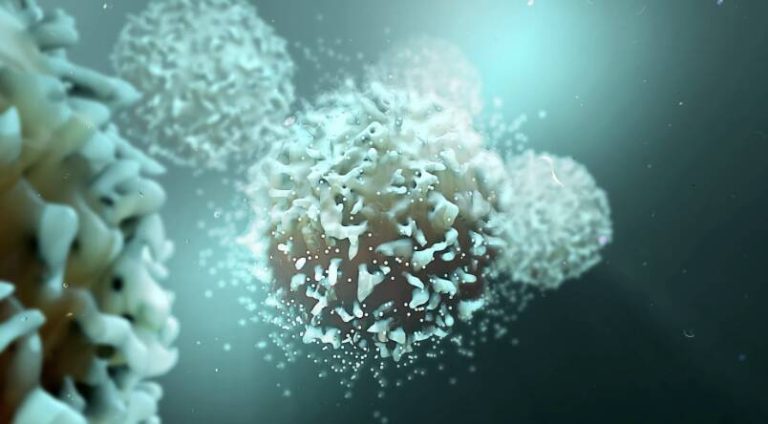
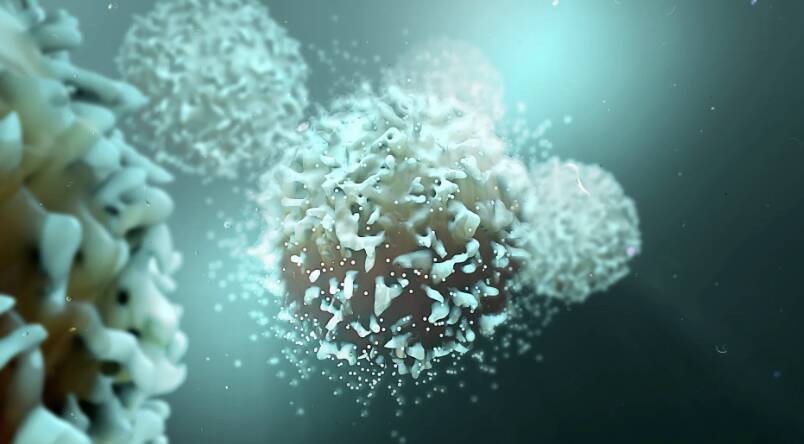
The BE-CAR7 therapy involves modifying immune cells, specifically T-cells, to have chimeric antigen receptors (CARs) on their surface. These CARs are designed to recognize and target a specific protein on the surface of cancer cells, known as CD7. When a T-cell with the CARs encounters a cancer cell with the CD7 protein, it attaches to the cell and destroys it. This targeted approach allows the immune system to specifically identify and eliminate cancer cells, reducing the harm to healthy cells and minimizing side effects.
The process of creating the gene-edited T-cells involves several steps. First, T-cells are extracted from the patient’s blood and then genetically modified to express the CARs. The modified T-cells are then expanded in number and infused back into the patient’s body. The CARs on the surface of the T-cells recognize the CD7 protein on the cancer cells, triggering an immune response that destroys the cancer cells.
The results of the BE-CAR7 therapy have been impressive, with patients showing significant improvement and even complete remission in some cases. The therapy has been well-tolerated, with minimal side effects reported. This is a significant breakthrough, as traditional treatments for T-ALL often have severe and debilitating side effects, affecting the patient’s quality of life.
The success of the BE-CAR7 therapy is a testament to the power of gene editing and cell therapy in treating aggressive blood cancers. This approach has the potential to revolutionize the way we treat cancer, offering a more targeted and effective approach to combating this disease. The use of gene-edited immune cells has shown tremendous promise in clinical trials, and researchers are eager to explore its potential in treating other types of cancer.
The implications of this breakthrough are far-reaching, offering new hope to patients and families affected by T-ALL. The development of gene-edited cell therapies like BE-CAR7 has the potential to improve treatment outcomes, reduce side effects, and increase the chances of survival for patients with this devastating disease.
As researchers continue to refine and improve this therapy, we can expect to see even more impressive results in the future. The use of gene editing and cell therapy is a rapidly evolving field, with new breakthroughs and discoveries being made regularly. The potential for this technology to transform the way we treat cancer is vast, and we can expect to see significant advancements in the coming years.
In conclusion, the success of the BE-CAR7 therapy in treating T-cell acute lymphoblastic leukaemia is a major breakthrough in the field of cancer treatment. This innovative approach has shown tremendous promise in targeting and destroying cancer cells, offering new hope to patients and families affected by this devastating disease. As researchers continue to explore the potential of gene-edited cell therapies, we can expect to see even more impressive results in the future, transforming the way we treat cancer and improving the lives of patients around the world.
News source: https://www.sciencedaily.com/releases/2025/12/251211040438.htm
About the Author