‘Humiliated’ by Yunus, B’desh Prez wants to step down before completing term
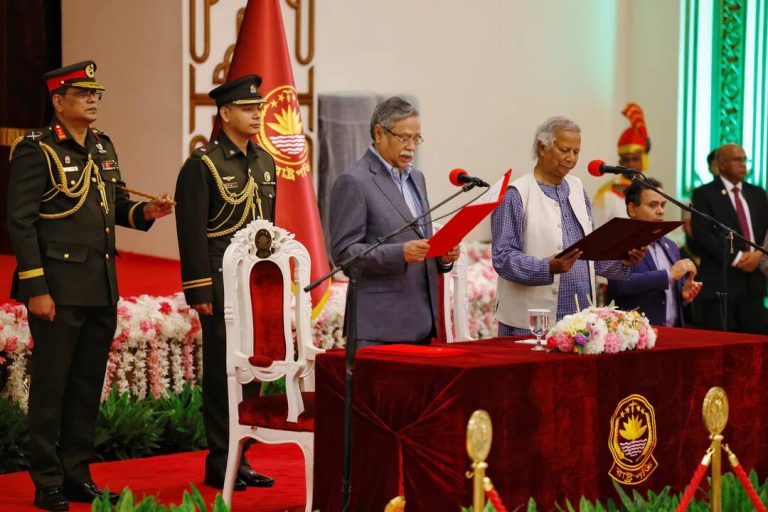
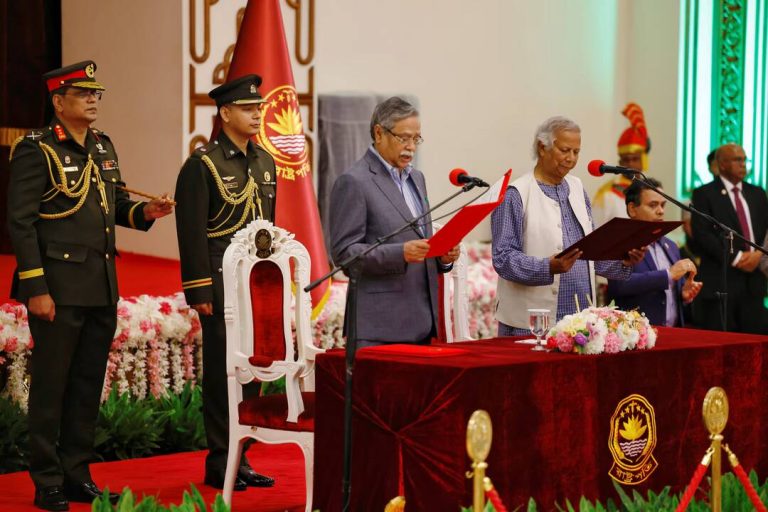
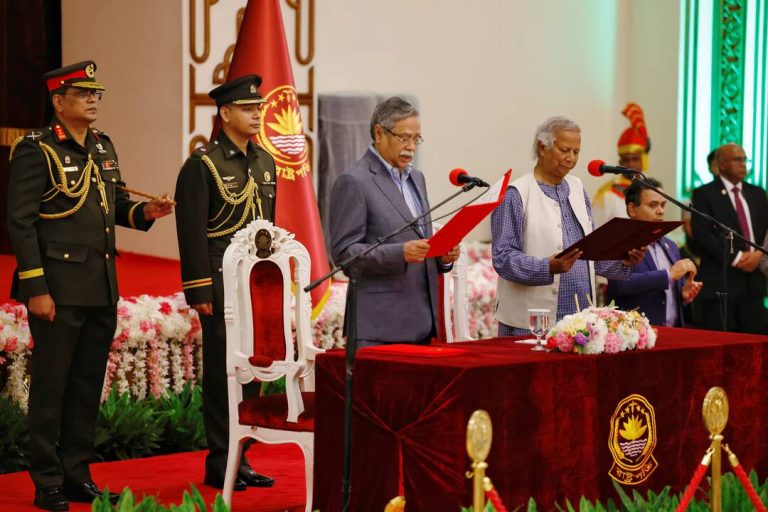
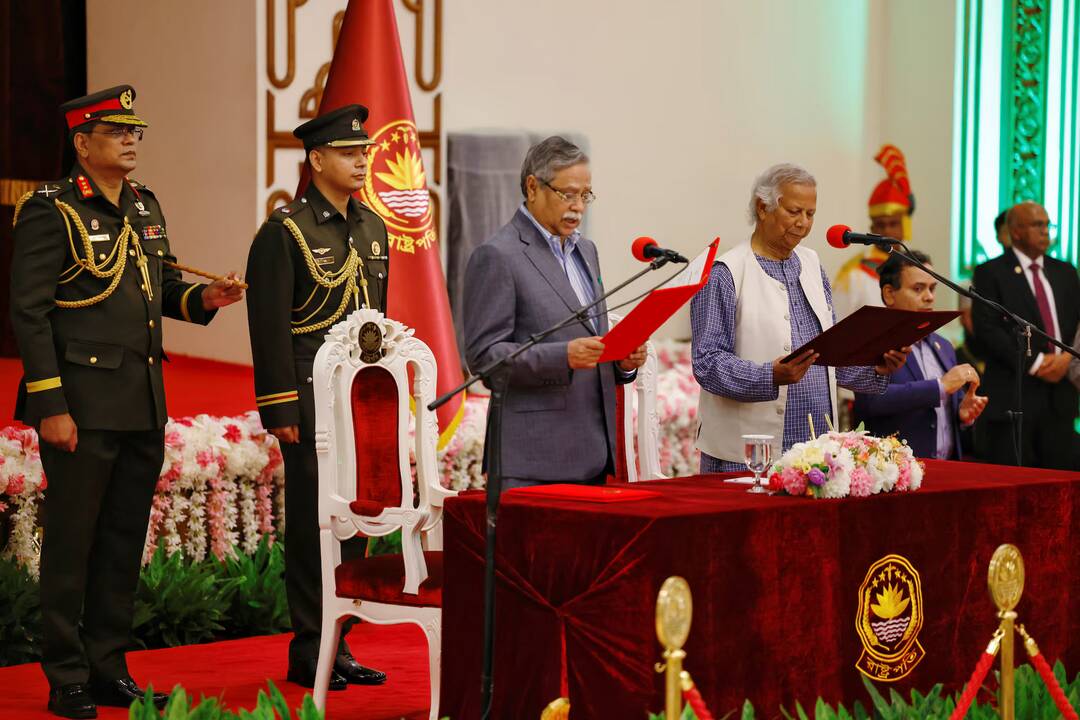
In a shocking turn of events, Bangladeshi President Mohammed Shahabuddin has announced his intention to step down from his post before completing his term. In an exclusive interview with Reuters, Shahabuddin revealed that he plans to quit after the parliamentary election scheduled to take place on February 12. This unexpected move has sent ripples throughout the Bangladeshi political landscape, leaving many to wonder about the reasons behind the President’s decision.
According to Shahabuddin, the primary reason for his decision to step down is the humiliation he has faced at the hands of Bangladesh’s interim chief, Mohammed Yunus. The President expressed his deep sense of hurt and betrayal, stating that he felt disrespected and undermined by Yunus’s actions. One of the most significant incidents that contributed to Shahabuddin’s feeling of humiliation was the removal of his portraits from Bangladeshi embassies. This move was seen as a blatant disregard for the President’s authority and a clear sign of Yunus’s desire to assert his own power.
Shahabuddin also revealed that he has not met with Yunus in over seven months, a fact that highlights the strained relationship between the two leaders. This lack of communication and cooperation has created an atmosphere of tension and mistrust, making it increasingly difficult for Shahabuddin to effectively carry out his duties as President. The fact that Yunus has not seen fit to meet with Shahabuddin in such a long time is a clear indication of the interim chief’s disregard for the President’s office and the democratic institutions of Bangladesh.
The parliamentary election scheduled to take place on February 12 is likely to be a crucial factor in Shahabuddin’s decision to step down. The President may be seeking to avoid any potential controversy or conflict that may arise during the election period. By stepping down before the election, Shahabuddin may be attempting to prevent any further erosion of his authority and to avoid being drawn into a potentially messy and divisive political landscape.
The implications of Shahabuddin’s decision to step down are far-reaching and complex. The removal of the President from office could create a power vacuum, potentially leading to instability and uncertainty in the country. The fact that Shahabuddin is leaving office before completing his term may also be seen as a blow to the democratic institutions of Bangladesh, potentially undermining the legitimacy of the government and the rule of law.
In the context of Bangladeshi politics, the relationship between the President and the interim chief is crucial. The President is the head of state, while the interim chief is responsible for overseeing the day-to-day affairs of the government. A strained relationship between the two leaders can create tension and instability, making it challenging to govern the country effectively. The fact that Shahabuddin and Yunus have not been able to work together effectively has significant implications for the future of Bangladeshi politics.
The international community will be watching the developments in Bangladesh with great interest. The country has made significant progress in recent years, with economic growth and development being major priorities. However, the political instability and infighting that have characterized Bangladeshi politics in recent months may undermine these gains and create uncertainty about the country’s future.
In conclusion, the decision of Bangladeshi President Mohammed Shahabuddin to step down before completing his term is a significant development that has far-reaching implications for the country. The strained relationship between Shahabuddin and interim chief Mohammed Yunus has created an atmosphere of tension and mistrust, making it challenging for the President to carry out his duties effectively. The parliamentary election scheduled to take place on February 12 may be a crucial factor in Shahabuddin’s decision, as he seeks to avoid any potential controversy or conflict. As the situation continues to unfold, it remains to be seen how the country will navigate this challenging period and what the future holds for Bangladeshi politics.
About the Author