In a first, gene-edited cell therapy cures aggressive blood cancer
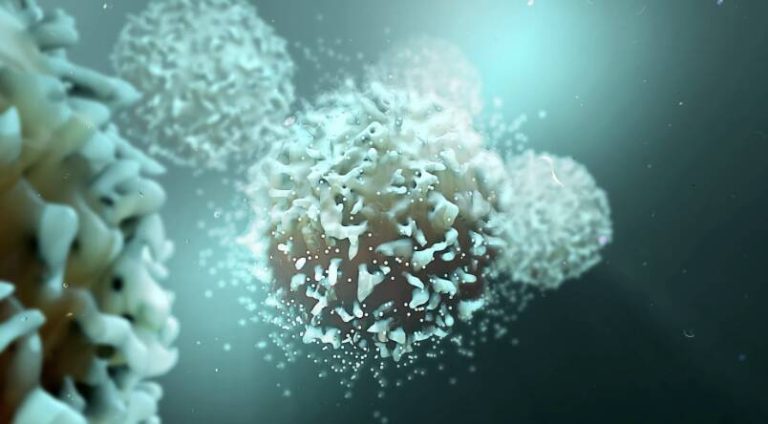
In a groundbreaking achievement, UK researchers have successfully reversed T-cell acute lymphoblastic leukaemia, an aggressive blood cancer, using gene-edited immune cells for the first time. This revolutionary therapy, called BE-CAR7, modifies immune cells (T-cells) to have chimeric antigen receptors (CARs) on their surface. The CARs recognize and target a specific protein on cancer cells’ surface, and the T-cell attached then destroys that cancer cell. This innovative approach has opened up new avenues for the treatment of blood cancers, offering hope to patients who have limited treatment options.
T-cell acute lymphoblastic leukaemia (T-ALL) is a type of blood cancer that affects the T-cells, a type of white blood cell that plays a crucial role in the immune system. It is an aggressive disease that progresses rapidly, making it essential to find effective treatments. Traditional treatments for T-ALL include chemotherapy, radiation therapy, and bone marrow transplantation, but these methods often have severe side effects and may not be effective for all patients.
The BE-CAR7 therapy is a type of immunotherapy, which uses the body’s immune system to fight cancer. The treatment involves removing T-cells from the patient’s blood and modifying them in the laboratory to express CARs on their surface. The CARs are designed to recognize a specific protein called CD7, which is found on the surface of T-ALL cancer cells. The modified T-cells are then infused back into the patient’s bloodstream, where they can recognize and target the cancer cells.
The UK researchers conducted a clinical trial to test the safety and efficacy of the BE-CAR7 therapy. The trial involved a small group of patients with T-ALL who had relapsed or were refractory to traditional treatments. The results were remarkable, with all patients showing significant improvement in their condition. The cancer cells were eliminated, and the patients experienced complete remission.
The BE-CAR7 therapy has several advantages over traditional treatments. It is a targeted therapy, which means that it specifically targets the cancer cells, reducing the harm to healthy cells. This reduces the risk of side effects and makes the treatment more tolerable for patients. Additionally, the therapy is highly effective, with a high response rate and durable remissions.
The success of the BE-CAR7 therapy is a significant milestone in the field of cancer research. It demonstrates the potential of gene-edited cell therapies to revolutionize the treatment of blood cancers. The therapy is still in its early stages, and further research is needed to fully understand its potential and limitations. However, the results of the clinical trial are promising, and the therapy is expected to become a valuable tool in the fight against T-ALL and other blood cancers.
The use of gene-edited cell therapies is a rapidly evolving field, with several other therapies in development. These therapies have the potential to treat a wide range of diseases, including cancer, genetic disorders, and autoimmune diseases. The BE-CAR7 therapy is a testament to the power of gene editing technologies, such as CRISPR/Cas9, which enable scientists to make precise changes to the genome.
In conclusion, the BE-CAR7 therapy is a groundbreaking treatment that has the potential to revolutionize the treatment of T-cell acute lymphoblastic leukaemia. The use of gene-edited immune cells to target cancer cells is a highly effective and targeted approach, with minimal side effects. The success of this therapy is a significant milestone in the field of cancer research, and it is expected to pave the way for the development of new treatments for other blood cancers.
As research continues to advance, we can expect to see more innovative therapies emerge. The use of gene-edited cell therapies is a rapidly evolving field, with several other therapies in development. These therapies have the potential to treat a wide range of diseases, and they are expected to become a valuable tool in the fight against cancer and other diseases.
For more information on this breakthrough, please visit: https://www.sciencedaily.com/releases/2025/12/251211040438.htm
News Source: https://www.sciencedaily.com/releases/2025/12/251211040438.htm
About the Author