‘Humiliated’ by Yunus, B’desh Prez wants to step down before completing term
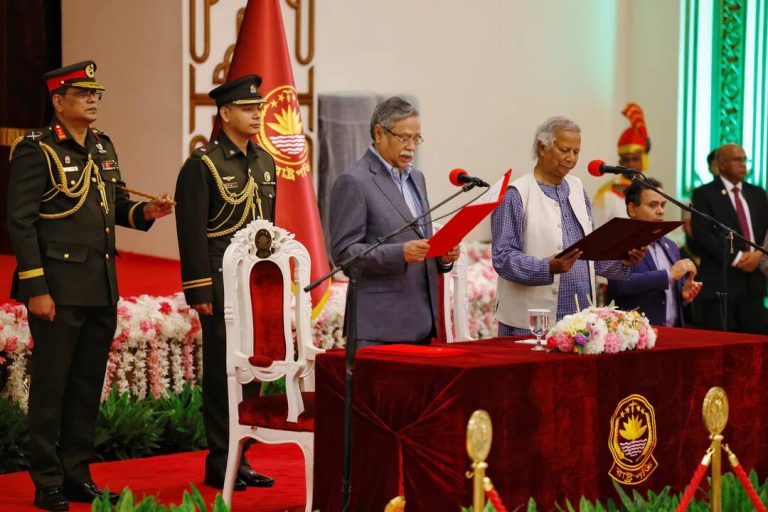
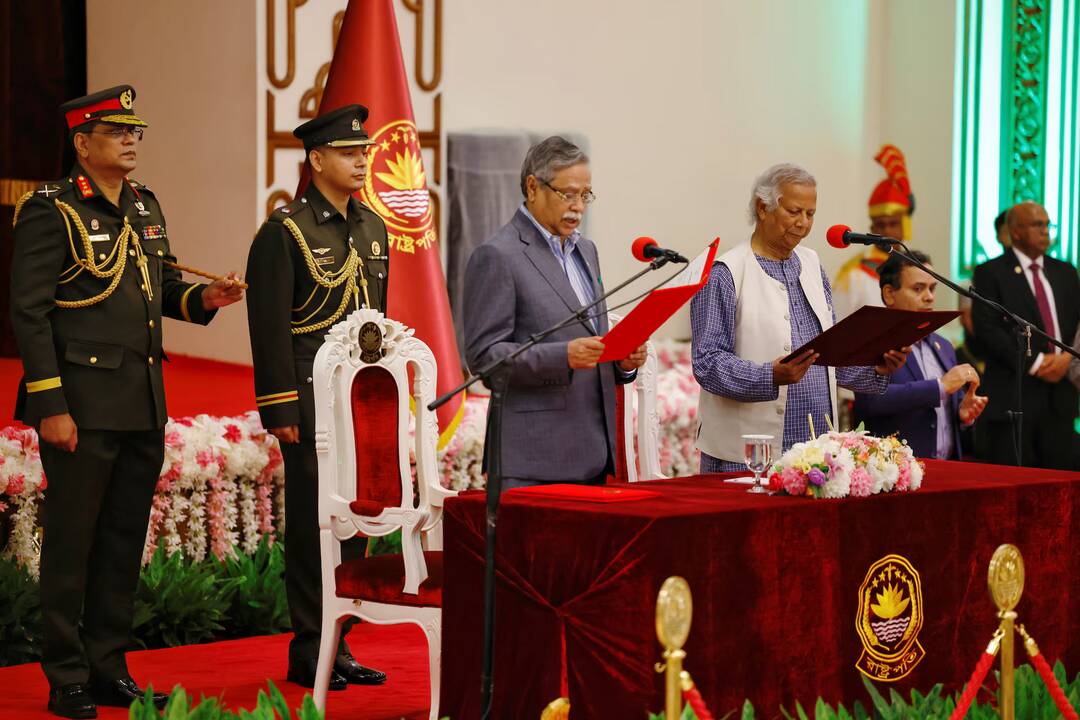
In a shocking turn of events, Bangladeshi President Mohammed Shahabuddin has announced his intention to step down from his post before completing his term. This revelation comes as a surprise to many, especially given the fact that Shahabuddin has been in office for a relatively short period. However, according to a recent interview with Reuters, the President has cited feeling “humiliated” by the actions of Bangladesh’s interim chief, Mohammed Yunus, as the primary reason for his decision.
Shahabuddin’s term as President was expected to last for several more years, but he has now stated that he will quit after the parliamentary election on February 12. This decision has sent shockwaves throughout the Bangladeshi political landscape, with many wondering what could have led to such a drastic decision. According to Shahabuddin, the final straw was when his portraits were taken down from Bangladeshi embassies, an act that he sees as a direct humiliation.
The relationship between Shahabuddin and Yunus has been strained for some time, with the President revealing that the two have not met in seven months. This lack of communication and cooperation has apparently taken a toll on Shahabuddin, who feels that his authority and position are being undermined by Yunus. The fact that Yunus has not seen fit to meet with Shahabuddin in over half a year is a clear indication of the deep-seated tensions between the two leaders.
The removal of Shahabuddin’s portraits from Bangladeshi embassies is a significant symbol of the power struggle between the two men. In many countries, the portrait of the head of state is a symbol of national pride and unity, and its removal can be seen as a deliberate attempt to undermine the President’s authority. Shahabuddin’s feelings of humiliation are understandable, given the significance of this act.
The implications of Shahabuddin’s decision to step down are far-reaching and could have significant consequences for the future of Bangladeshi politics. The parliamentary election on February 12 is expected to be a closely contested affair, and the absence of a President could create a power vacuum that could be exploited by various factions. The fact that Shahabuddin will be quitting before the election has even taken place adds an extra layer of complexity to an already volatile situation.
It is also worth considering the potential motivations behind Yunus’s actions. Is the interim chief seeking to consolidate power and undermine the President’s authority, or is there another factor at play? The fact that Yunus has not met with Shahabuddin in seven months suggests that there may be a deeper issue at play, one that goes beyond mere political maneuvering.
As the situation continues to unfold, it will be interesting to see how the various parties involved respond to Shahabuddin’s decision. Will Yunus seek to capitalize on the President’s departure, or will he attempt to mend fences and restore a sense of unity to the government? The outcome of the parliamentary election on February 12 will also be closely watched, as it could have significant implications for the future of Bangladeshi politics.
In conclusion, the decision by Bangladeshi President Mohammed Shahabuddin to step down before completing his term is a shocking development that has significant implications for the country’s political landscape. The fact that Shahabuddin feels “humiliated” by the actions of interim chief Mohammed Yunus is a clear indication of the deep-seated tensions between the two men, and the removal of the President’s portraits from Bangladeshi embassies is a potent symbol of the power struggle between them. As the situation continues to unfold, it will be important to keep a close eye on developments in Bangladesh, as the future of the country’s politics hangs in the balance.
About the Author