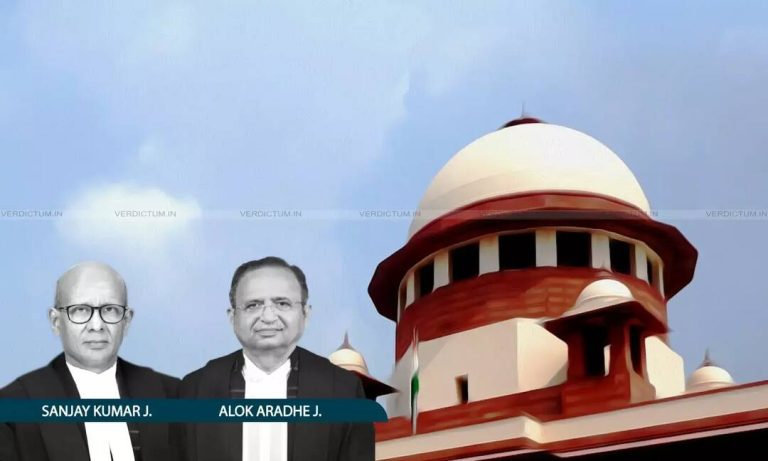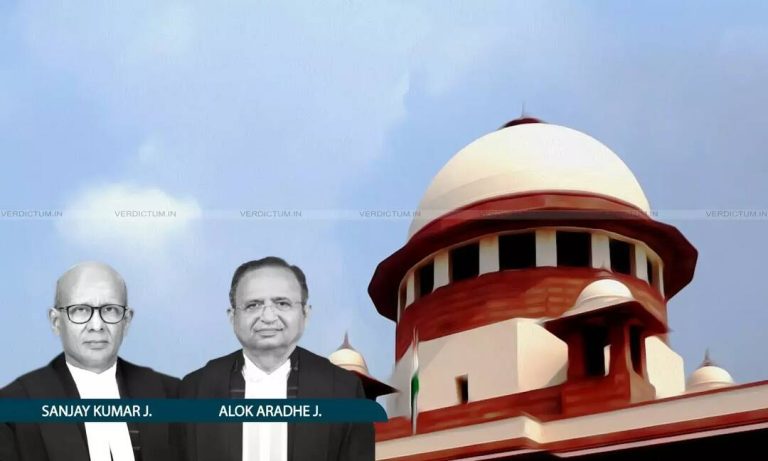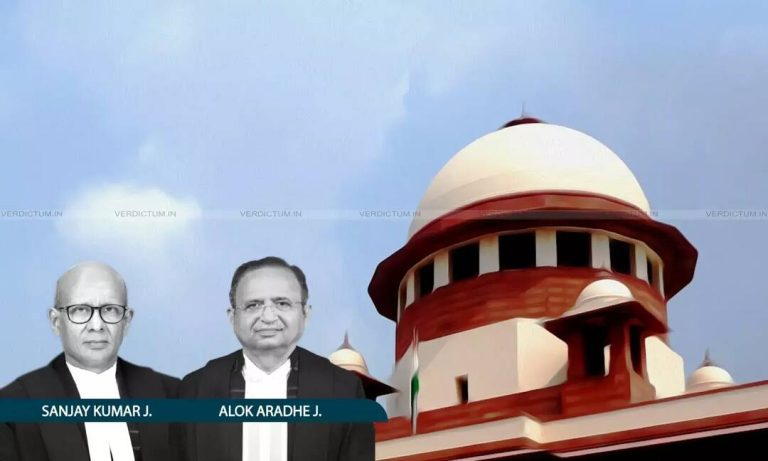
Substitution of sole arbitrator warranted once mandate ends: SC
The Supreme Court of India has recently made a significant ruling regarding the substitution of a sole arbitrator in arbitration proceedings. The Court has held that the substitution of a sole arbitrator is warranted when their mandate ceases to exist. This judgment has far-reaching implications for arbitration proceedings in India and provides clarity on the issue of arbitrator substitution.
The Court explained that on the expiry of the initial or extended period, the arbitrator cannot proceed, and their mandate terminates, subject to a court order passed in a proceeding under Section 29A(4) of the Arbitration and Conciliation Act. This means that once the arbitrator’s mandate comes to an end, they can no longer continue with the arbitration proceedings, and a new arbitrator needs to be appointed to take over the case.
The Court’s decision is based on the principle that an arbitrator’s mandate is limited to a specific period, and once that period expires, they can no longer exercise their powers. This is to ensure that arbitration proceedings are conducted in a timely and efficient manner, and that parties are not left waiting indefinitely for a resolution.
The Court’s ruling is also in line with the provisions of the Arbitration and Conciliation Act, which provides for the termination of an arbitrator’s mandate in certain circumstances. Section 29A(4) of the Act states that the mandate of an arbitrator shall terminate if the arbitrator fails to deliver an award within the specified period, unless the parties agree to extend the period or the court orders an extension.
The substitution of a sole arbitrator is a critical issue in arbitration proceedings, as it can have a significant impact on the outcome of the case. The appointment of a new arbitrator can lead to a fresh start, and the parties may need to restart the arbitration process from scratch. However, in some cases, the substitution of an arbitrator may be necessary to ensure that the arbitration proceedings are conducted fairly and efficiently.
The Court’s decision provides clarity on the issue of arbitrator substitution and provides guidance to parties and arbitrators on the procedure to be followed when an arbitrator’s mandate ceases to exist. The ruling also highlights the importance of ensuring that arbitration proceedings are conducted in a timely and efficient manner, and that parties are not left waiting indefinitely for a resolution.
In recent years, the Supreme Court has made several significant rulings on arbitration law, including the issue of arbitrator independence and impartiality. The Court has emphasized the importance of ensuring that arbitrators are independent and impartial, and that they do not have any conflicts of interest that could affect their ability to conduct the arbitration proceedings fairly.
The Court’s decision on the substitution of a sole arbitrator is another important development in the field of arbitration law in India. The ruling provides clarity and guidance on a critical issue and will help to ensure that arbitration proceedings are conducted in a fair, efficient, and timely manner.
The case, Mohan Lal Fatehpuria v. MS Bharat Textiles & Ors., was decided by the Supreme Court on [date] and is a significant development in the field of arbitration law in India. The Court’s decision will have far-reaching implications for arbitration proceedings in India and will provide guidance to parties, arbitrators, and courts on the issue of arbitrator substitution.
In conclusion, the Supreme Court’s decision on the substitution of a sole arbitrator is a significant development in the field of arbitration law in India. The Court’s ruling provides clarity and guidance on a critical issue and will help to ensure that arbitration proceedings are conducted in a fair, efficient, and timely manner. The decision highlights the importance of ensuring that arbitration proceedings are conducted in accordance with the law and that parties are not left waiting indefinitely for a resolution.
About the Author