In a first, gene-edited cell therapy cures aggressive blood cancer
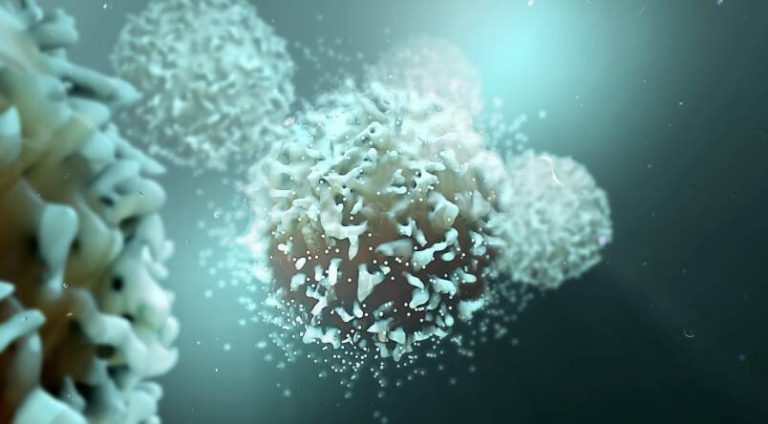
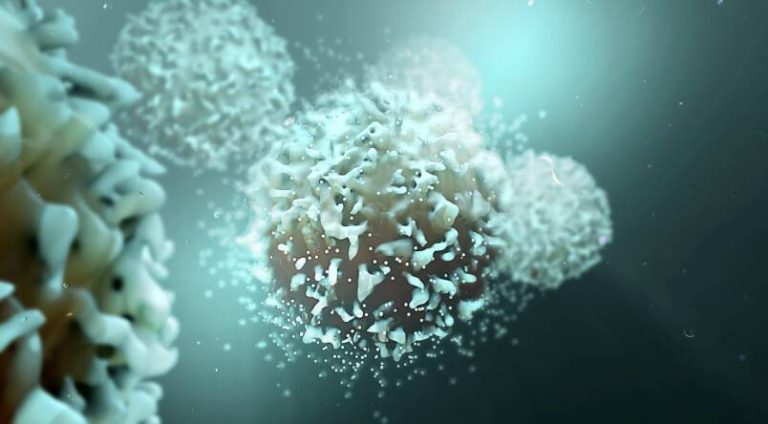
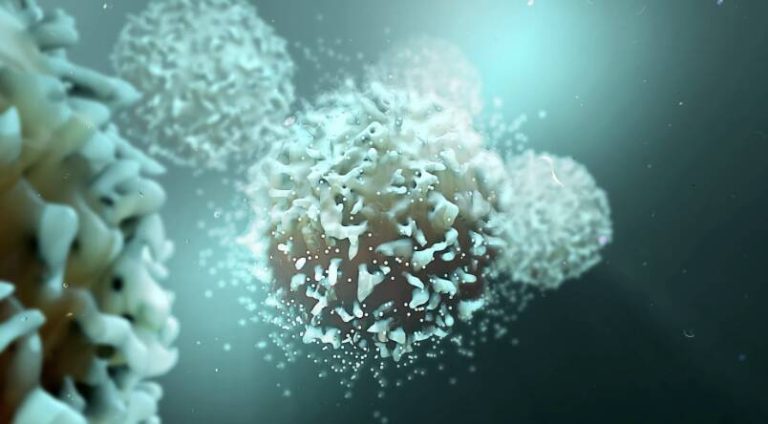
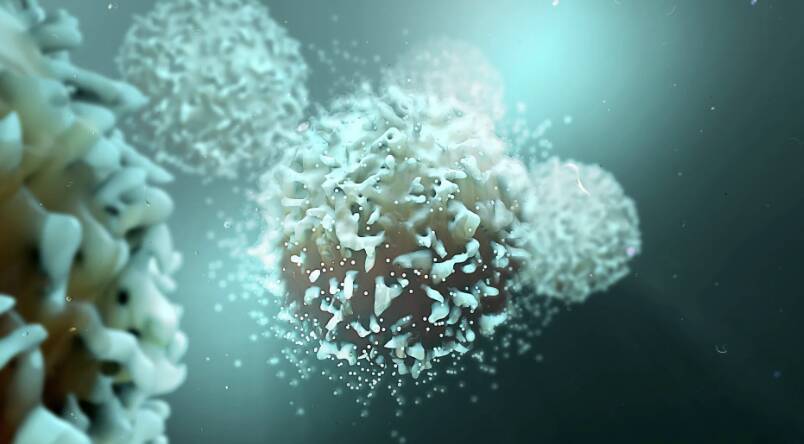
In a groundbreaking achievement, UK researchers have successfully reversed T-cell acute lymphoblastic leukaemia, an aggressive blood cancer, using gene-edited immune cells for the first time. This innovative therapy, called BE-CAR7, modifies immune cells (T-cells) to have chimeric antigen receptors (CARs) on their surface. The CARs recognize and target a specific protein on cancer cells’ surface, and the T-cell attached then destroys that cancer cell. This breakthrough has opened up new avenues for the treatment of blood cancers, offering hope to patients who have been struggling with limited treatment options.
T-cell acute lymphoblastic leukaemia (T-ALL) is a type of blood cancer that affects the T-cells, a type of white blood cell that plays a crucial role in the immune system. T-ALL is an aggressive disease that progresses rapidly, making it challenging to treat. Current treatments for T-ALL often involve chemotherapy, radiation, and bone marrow transplants, which can have severe side effects and may not always be effective. The development of gene-edited cell therapy, such as BE-CAR7, offers a new and promising approach to treating this devastating disease.
The BE-CAR7 therapy involves modifying T-cells to express a specific CAR on their surface. The CAR is designed to recognize a protein called CD7, which is present on the surface of cancerous T-cells. When the gene-edited T-cells come into contact with cancer cells, the CAR binds to the CD7 protein, triggering the T-cell to attack and destroy the cancer cell. This targeted approach allows the immune system to specifically target cancer cells, reducing the harm to healthy cells.
The UK researchers used a gene-editing tool called CRISPR-Cas9 to modify the T-cells. CRISPR-Cas9 is a powerful tool that allows scientists to edit genes with unprecedented precision. The researchers used CRISPR-Cas9 to introduce the CAR gene into the T-cells, enabling them to recognize and target cancer cells. The modified T-cells were then infused back into the patient, where they could recognize and destroy cancer cells.
The results of the study were nothing short of remarkable. Patients who received the BE-CAR7 therapy experienced a significant reduction in cancer cells, with some patients achieving complete remission. The therapy was also found to be relatively safe, with minimal side effects reported. These findings have significant implications for the treatment of T-ALL and other blood cancers, offering a new and promising approach to therapy.
The development of gene-edited cell therapy, such as BE-CAR7, is a testament to the power of scientific innovation and collaboration. The UK researchers involved in this study have made a significant contribution to the field of cancer research, and their work has the potential to improve the lives of patients around the world. As research continues to advance in this field, we can expect to see new and innovative therapies emerge, offering hope to patients who have been struggling with limited treatment options.
In conclusion, the use of gene-edited cell therapy to cure aggressive blood cancer is a major breakthrough in the field of cancer research. The BE-CAR7 therapy offers a new and promising approach to treating T-ALL, and its development has significant implications for the treatment of other blood cancers. As we continue to advance our understanding of gene editing and its applications, we can expect to see new and innovative therapies emerge, offering hope to patients around the world.
The future of cancer treatment is looking brighter than ever, thanks to the dedication and hard work of researchers and scientists around the world. As we continue to push the boundaries of what is possible, we can expect to see new and innovative therapies emerge, offering hope to patients who have been struggling with limited treatment options. The use of gene-edited cell therapy, such as BE-CAR7, is just the beginning, and we can expect to see many more breakthroughs in the years to come.
For more information on this groundbreaking study, please visit: https://www.sciencedaily.com/releases/2025/12/251211040438.htm
News Source: https://www.sciencedaily.com/releases/2025/12/251211040438.htm
About the Author