Substitution of sole arbitrator warranted once mandate ends: SC
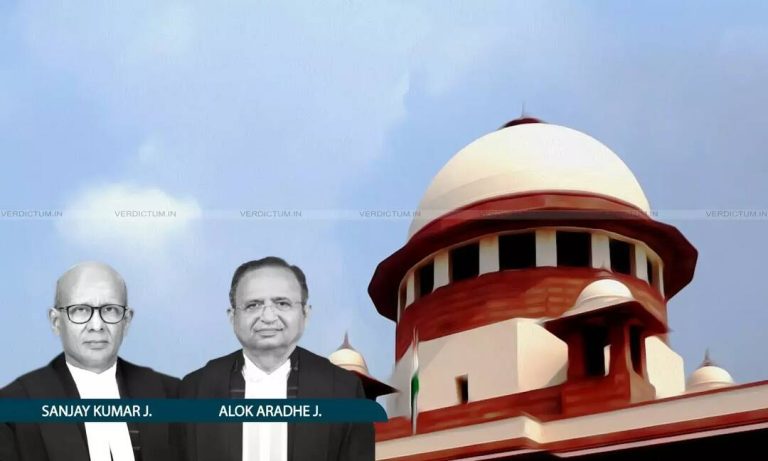
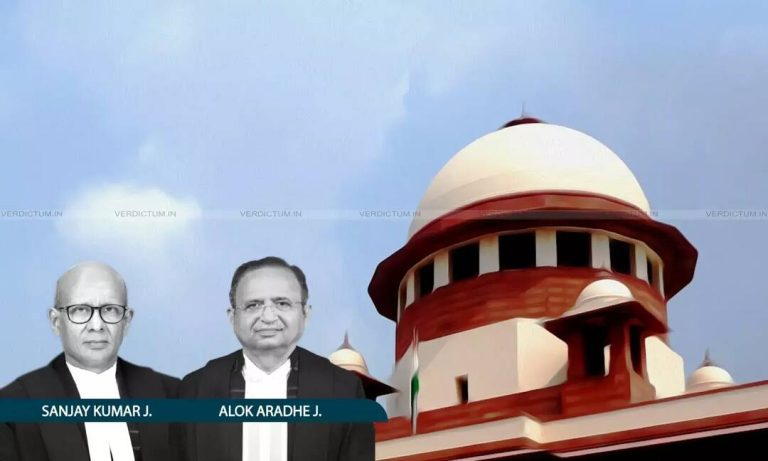
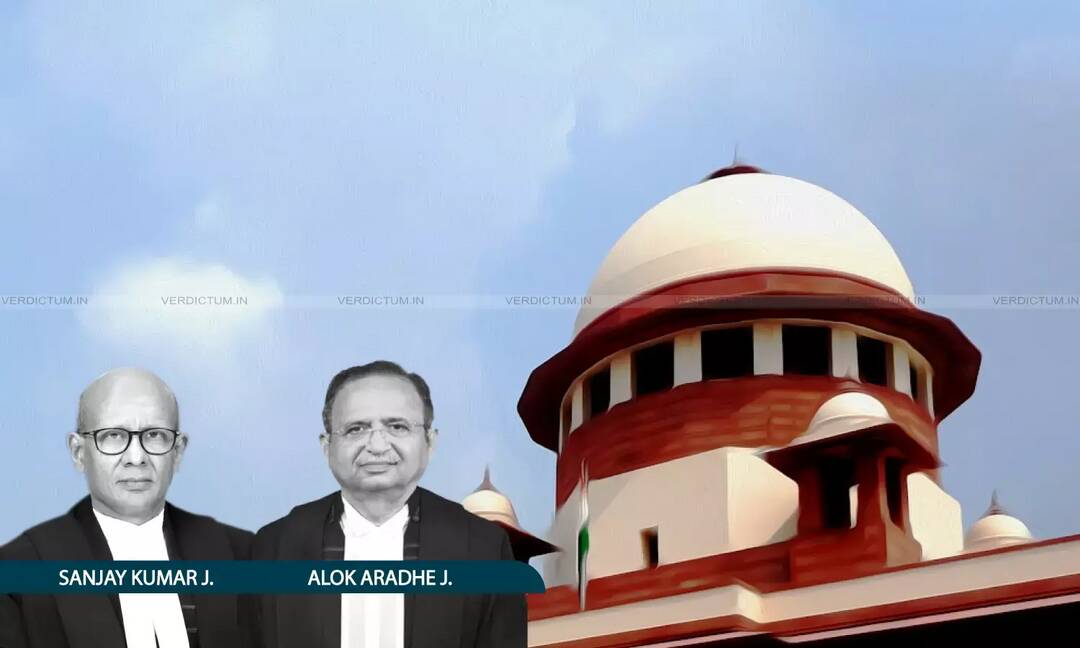
The Supreme Court of India has made a significant ruling regarding the substitution of a sole arbitrator in arbitration proceedings. In a recent judgment, the Court held that the substitution of a sole arbitrator is warranted when their mandate ceases to exist. This decision has far-reaching implications for arbitration proceedings in India and provides clarity on the role of the Court in such situations.
The Court explained that on the expiry of the initial or extended period, the arbitrator cannot proceed, and their mandate terminates, subject to a court order passed in a proceeding under Section 29A(4) of the Arbitration and Conciliation Act. This means that once the arbitrator’s mandate comes to an end, they no longer have the authority to continue with the arbitration proceedings. In such cases, the substitution of the sole arbitrator is necessary to ensure that the arbitration proceedings can continue without any hindrance.
The Supreme Court’s decision is based on the provisions of the Arbitration and Conciliation Act, 1996, which governs arbitration proceedings in India. The Act provides for the appointment of arbitrators, the conduct of arbitration proceedings, and the powers of the arbitrators. The Act also provides for the termination of the arbitrator’s mandate and the substitution of a new arbitrator in certain circumstances.
The Court’s ruling is significant because it provides clarity on the role of the Court in arbitration proceedings. The Court has made it clear that once the arbitrator’s mandate ceases to exist, the Court has the power to substitute a new arbitrator to ensure that the arbitration proceedings can continue. This decision will help to prevent delays and uncertainties in arbitration proceedings and will provide a clear framework for the substitution of arbitrators.
The judgment also highlights the importance of the Arbitration and Conciliation Act, 1996, in governing arbitration proceedings in India. The Act provides a comprehensive framework for arbitration proceedings, including the appointment of arbitrators, the conduct of arbitration proceedings, and the powers of the arbitrators. The Act also provides for the termination of the arbitrator’s mandate and the substitution of a new arbitrator in certain circumstances.
In this case, the Supreme Court was dealing with an appeal filed by Mohan Lal Fatehpuria against an order passed by the High Court. The High Court had held that the substitution of the sole arbitrator was not warranted, even though the arbitrator’s mandate had ceased to exist. The Supreme Court, however, disagreed with the High Court’s decision and held that the substitution of the sole arbitrator was necessary.
The Supreme Court’s decision is a significant development in the field of arbitration law in India. The decision provides clarity on the role of the Court in arbitration proceedings and highlights the importance of the Arbitration and Conciliation Act, 1996, in governing arbitration proceedings. The decision will also help to prevent delays and uncertainties in arbitration proceedings and will provide a clear framework for the substitution of arbitrators.
In conclusion, the Supreme Court’s decision in this case is a significant development in the field of arbitration law in India. The decision provides clarity on the role of the Court in arbitration proceedings and highlights the importance of the Arbitration and Conciliation Act, 1996, in governing arbitration proceedings. The decision will help to prevent delays and uncertainties in arbitration proceedings and will provide a clear framework for the substitution of arbitrators.
The substitution of a sole arbitrator is a critical aspect of arbitration proceedings, and the Supreme Court’s decision provides much-needed clarity on this issue. The decision will help to ensure that arbitration proceedings are conducted efficiently and effectively, and that the rights of all parties involved are protected.
The Supreme Court’s decision is also a reflection of the Court’s commitment to upholding the principles of justice and fairness in arbitration proceedings. The Court has made it clear that the substitution of a sole arbitrator is warranted when their mandate ceases to exist, and that the Court has the power to substitute a new arbitrator to ensure that the arbitration proceedings can continue.
Overall, the Supreme Court’s decision is a significant development in the field of arbitration law in India, and it will have far-reaching implications for arbitration proceedings in the country. The decision provides clarity on the role of the Court in arbitration proceedings and highlights the importance of the Arbitration and Conciliation Act, 1996, in governing arbitration proceedings.
About the Author