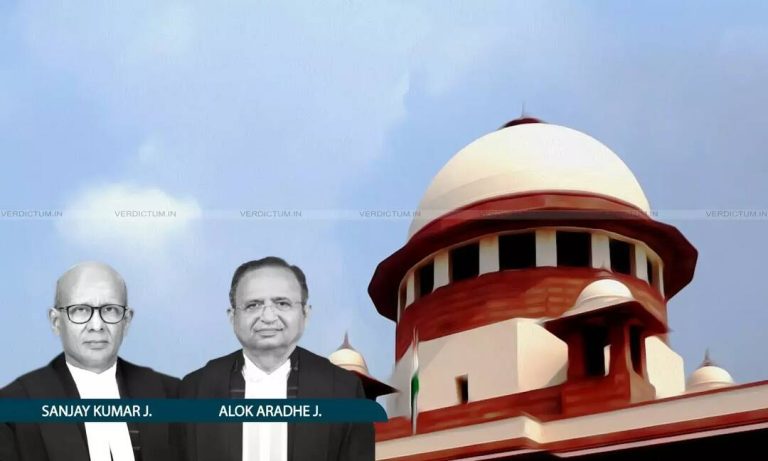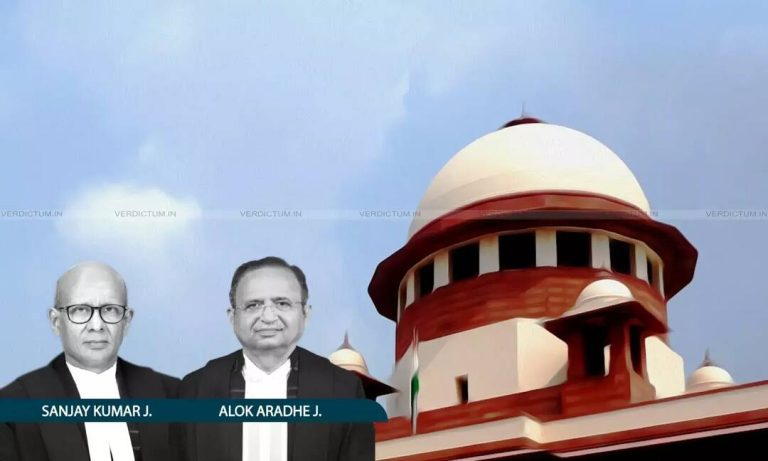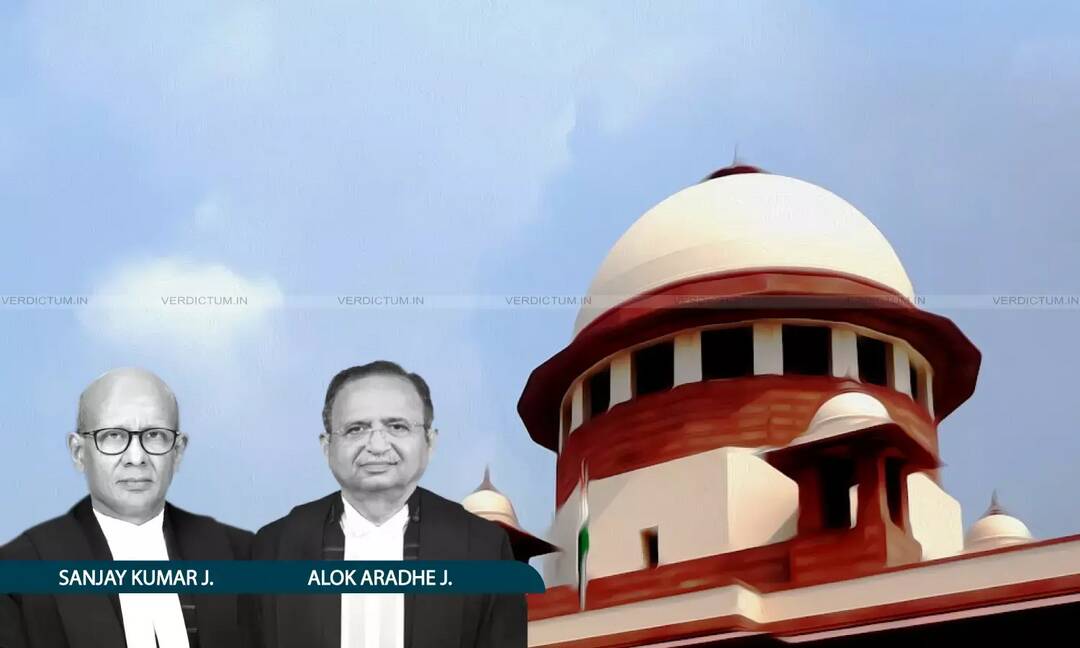
Substitution of sole arbitrator warranted once mandate ends: SC
The Supreme Court of India has recently made a significant ruling in the realm of arbitration law, emphasizing the importance of adhering to the timelines and mandates set forth for arbitrators. In a decision that is expected to have far-reaching implications, the Court has held that the substitution of a sole arbitrator is warranted when their mandate ceases to exist. This judgment provides clarity on the procedure to be followed when an arbitrator’s term comes to an end, and it is essential to understand the reasoning behind this decision.
The Arbitration and Conciliation Act, 1996, is the primary legislation governing arbitration in India. The Act provides a framework for the conduct of arbitration proceedings, including the appointment, tenure, and powers of arbitrators. Section 29A of the Act deals with the time limit for making an arbitral award. According to this section, an arbitral award shall be made within a period of twelve months from the date the arbitrator enters upon the reference. This period can be extended by the parties to the arbitration, but if such extension is not made, the mandate of the arbitrator comes to an end.
The Supreme Court’s decision in this matter arose from a dispute between Mohan Lal Fatehpuria and MS Bharat Textiles & Ors. The Court was called upon to interpret the provisions of Section 29A of the Arbitration and Conciliation Act, specifically with regard to the cessation of an arbitrator’s mandate and the consequences that follow. The Court explained that on the expiry of the initial or extended period, the arbitrator cannot proceed, and their mandate terminates, subject to a court order passed in a proceeding under Section 29A(4) of the Act.
The Court’s reasoning is based on the principle that an arbitrator’s authority is derived from the agreement between the parties, which includes the terms of reference and the applicable laws. When the arbitrator’s mandate ceases to exist, they no longer have the authority to proceed with the arbitration. In such cases, the substitution of the sole arbitrator is warranted to ensure that the arbitration proceedings can continue in a fair and impartial manner.
This decision has significant implications for arbitration proceedings in India. It emphasizes the importance of adhering to the timelines set forth in the Arbitration and Conciliation Act and the need for parties to be aware of the consequences of an arbitrator’s mandate coming to an end. The substitution of a sole arbitrator may be necessary to ensure that the arbitration proceedings are conducted in a timely and efficient manner, and the Court’s decision provides clarity on the procedure to be followed in such cases.
The Supreme Court’s ruling also highlights the importance of judicial oversight in arbitration proceedings. The Court’s decision to substitute the sole arbitrator is subject to a court order passed in a proceeding under Section 29A(4) of the Act. This ensures that the parties have recourse to the courts if they are aggrieved by the arbitrator’s decision or if there are any disputes regarding the arbitrator’s mandate.
In conclusion, the Supreme Court’s decision in Mohan Lal Fatehpuria v. MS Bharat Textiles & Ors. provides clarity on the substitution of a sole arbitrator when their mandate ceases to exist. The Court’s ruling emphasizes the importance of adhering to the timelines set forth in the Arbitration and Conciliation Act and the need for parties to be aware of the consequences of an arbitrator’s mandate coming to an end. The decision is expected to have far-reaching implications for arbitration proceedings in India and highlights the importance of judicial oversight in ensuring that arbitration proceedings are conducted in a fair and efficient manner.
About the Author