Mamata Instigates Women Against SIR, Tells Them to Fight with Utensils if Names Removed
In a shocking turn of events, West Bengal Chief Minister Mamata Banerjee has been accused of instigating a crowd against the Special Intensive Revision (SIR) being conducted by the Election Commission (EC) at a public gathering. The SIR is a crucial process aimed at revising and updating the voter list in the state. However, Mamata Banerjee’s recent remarks have sparked controversy and raised concerns about the potential for violence and unrest in the state.
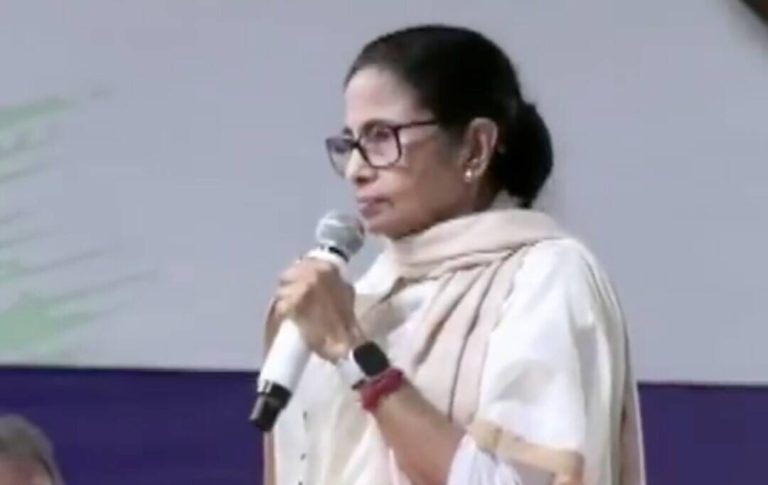
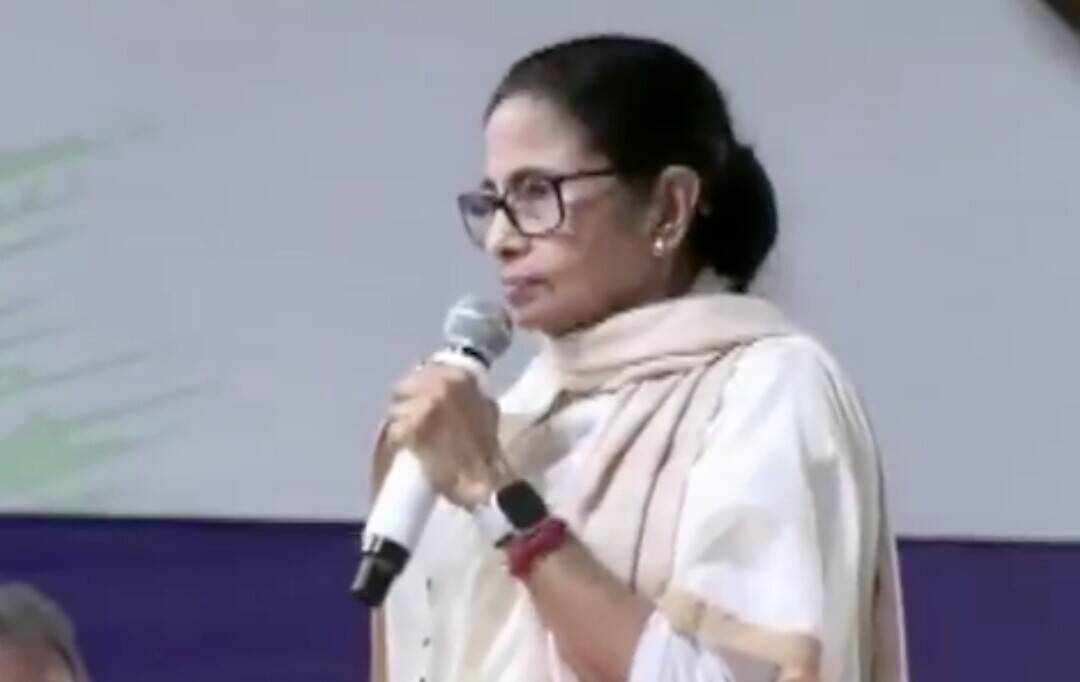
Addressing a crowd of supporters, Mamata Banerjee made a provocative statement, urging women to take the lead in fighting against the SIR if their names are removed from the voter list. “Do you all have utensils at home? If your name is removed from the voter list, women should lead the fight, and men should fight from the back,” she said. The statement has been widely criticized for its inflammatory tone and potential to incite violence.
The enumeration period in Bengal ended on Thursday, and the EC is currently in the process of revising and updating the voter list. The SIR is a routine exercise aimed at ensuring the accuracy and integrity of the electoral process. However, Mamata Banerjee’s remarks have raised concerns that the process may be disrupted or compromised by violent protests and agitation.
Mamata Banerjee’s statement has been widely condemned by opposition parties and critics, who accuse her of trying to politicize the SIR process and create unrest in the state. “This is a clear attempt to intimidate and coerce the Election Commission and disrupt the democratic process,” said a spokesperson for the opposition party. “The Chief Minister’s remarks are irresponsible and unacceptable, and she should be held accountable for her actions.”
The use of utensils as a means of protest is also a concerning aspect of Mamata Banerjee’s statement. It is unclear what kind of utensils she is referring to, but the implication is that women should be prepared to use any available objects to fight against the SIR. This kind of language has the potential to incite violence and create a volatile atmosphere, which could have serious consequences for the state.
The role of women in the protest is also noteworthy. By urging women to take the lead in the fight against the SIR, Mamata Banerjee is attempting to mobilize a key demographic in her favor. Women have traditionally been a crucial vote bank for the Trinamool Congress, and by appealing to them directly, Mamata Banerjee is trying to shore up support for her party.
However, this approach is also problematic. By encouraging women to engage in violent protests, Mamata Banerjee is putting them at risk of physical harm and legal consequences. It is also unclear what kind of support or protection the women will receive if they are injured or arrested during the protests.
The SIR process is a critical component of the electoral process, and it is essential that it is allowed to proceed without disruption or interference. The Election Commission has a responsibility to ensure the integrity and accuracy of the voter list, and any attempts to compromise this process should be strongly condemned.
In conclusion, Mamata Banerjee’s remarks are a cause for concern, and her attempt to instigate women against the SIR is unacceptable. The use of inflammatory language and the encouragement of violent protests are not only irresponsible but also potentially dangerous. The Election Commission and the opposition parties must take a strong stance against such tactics and ensure that the democratic process is allowed to proceed without disruption.
As the situation in West Bengal continues to unfold, it remains to be seen how the SIR process will proceed and what kind of impact Mamata Banerjee’s remarks will have on the state. One thing is certain, however: the integrity of the electoral process must be protected, and any attempts to compromise it must be strongly condemned.
Source: https://x.com/PTI_News/status/1999090681210417519
About the Author