Substitution of sole arbitrator warranted once mandate ends: SC
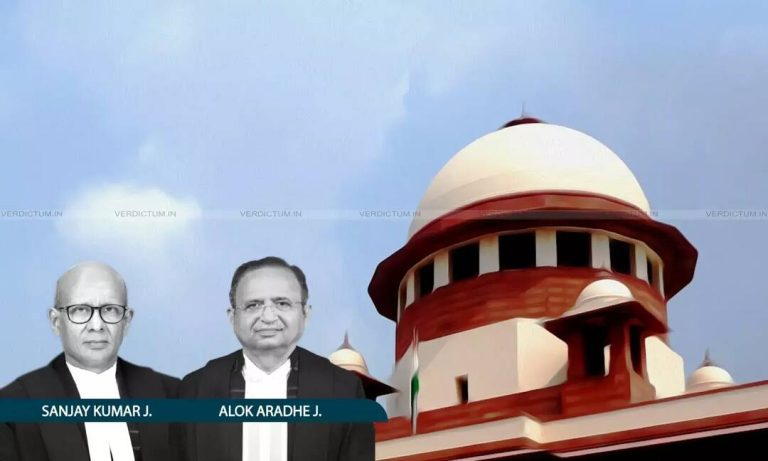
The Supreme Court of India has recently made a significant pronouncement regarding the substitution of a sole arbitrator in arbitration proceedings. In a judgment that is set to have far-reaching implications, the Court has held that the substitution of a sole arbitrator is warranted when their mandate ceases to exist. This ruling is a crucial development in the field of arbitration law and is expected to provide clarity on the role of arbitrators and the circumstances under which their mandate can be terminated.
The Court’s decision was made in the case of Mohan Lal Fatehpuria v. MS Bharat Textiles & Ors., where the issue of substitution of a sole arbitrator was raised. The Court explained that on the expiry of the initial or extended period, the arbitrator cannot proceed, and their mandate terminates, subject to a court order passed in a proceeding under Section 29A(4) of the Arbitration and Conciliation Act. This means that once the arbitrator’s mandate ends, they can no longer continue with the arbitration proceedings, and a substitute arbitrator must be appointed to take their place.
The Arbitration and Conciliation Act, 1996, is the primary legislation governing arbitration in India. The Act provides for the appointment of arbitrators, the conduct of arbitration proceedings, and the enforcement of arbitration awards. Section 29A(4) of the Act specifically deals with the termination of the arbitrator’s mandate and provides that the mandate of the arbitrator shall terminate if the arbitrator fails to deliver the arbitral award within the specified period.
The Supreme Court’s ruling is significant because it provides clarity on the circumstances under which a sole arbitrator’s mandate can be terminated. The Court’s decision makes it clear that the arbitrator’s mandate is not perpetual and can be terminated if they fail to deliver the arbitral award within the specified period. This ruling is expected to have a positive impact on the arbitration process, as it will ensure that arbitration proceedings are conducted in a timely and efficient manner.
The Court’s decision is also expected to reduce delays in arbitration proceedings. Often, arbitration proceedings are delayed due to the unavailability of the arbitrator or their failure to deliver the arbitral award within the specified period. The Supreme Court’s ruling will ensure that such delays are minimized, and the arbitration proceedings are completed in a timely manner.
Furthermore, the Court’s decision will also ensure that the parties to the arbitration agreement are not left without a remedy in the event of the arbitrator’s mandate terminating. The substitution of a sole arbitrator will ensure that the arbitration proceedings can continue uninterrupted, and the parties can have their disputes resolved in a fair and efficient manner.
In conclusion, the Supreme Court’s ruling on the substitution of a sole arbitrator is a significant development in the field of arbitration law. The Court’s decision provides clarity on the circumstances under which a sole arbitrator’s mandate can be terminated and ensures that arbitration proceedings are conducted in a timely and efficient manner. The ruling is expected to have a positive impact on the arbitration process and will ensure that parties to an arbitration agreement have their disputes resolved in a fair and efficient manner.
About the Author