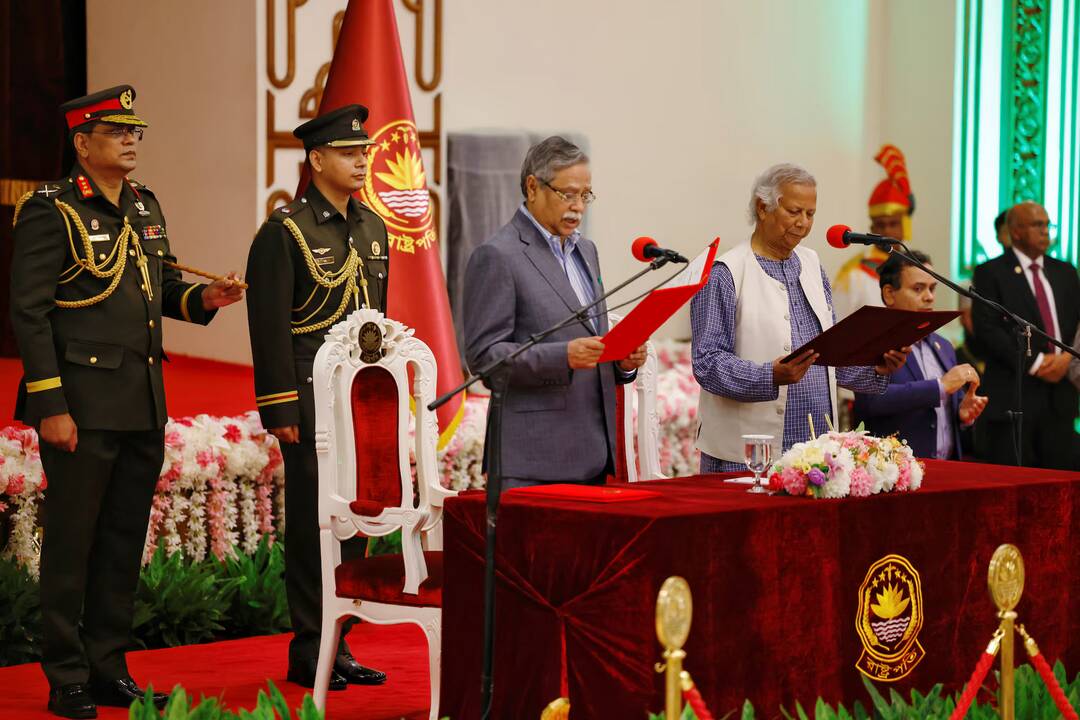
‘Humiliated’ by Yunus, B’desh Prez wants to step down before completing term
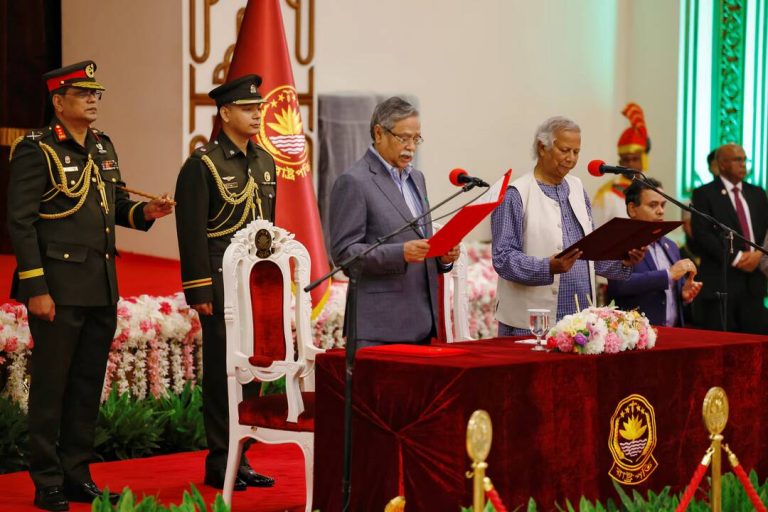
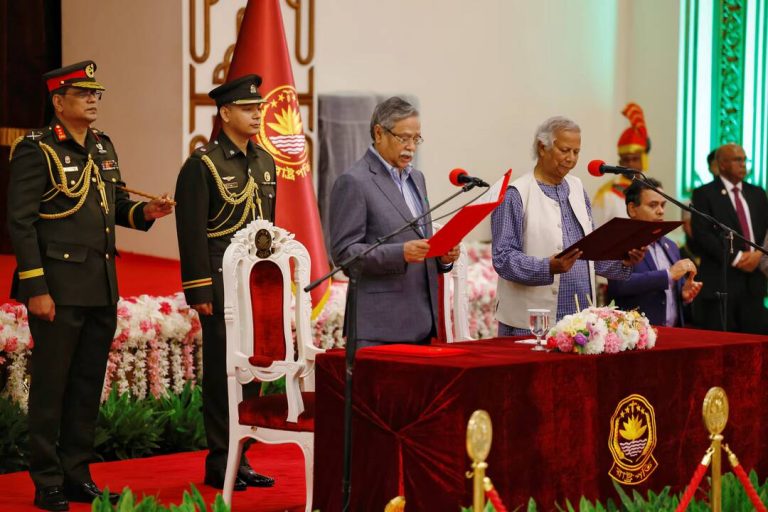
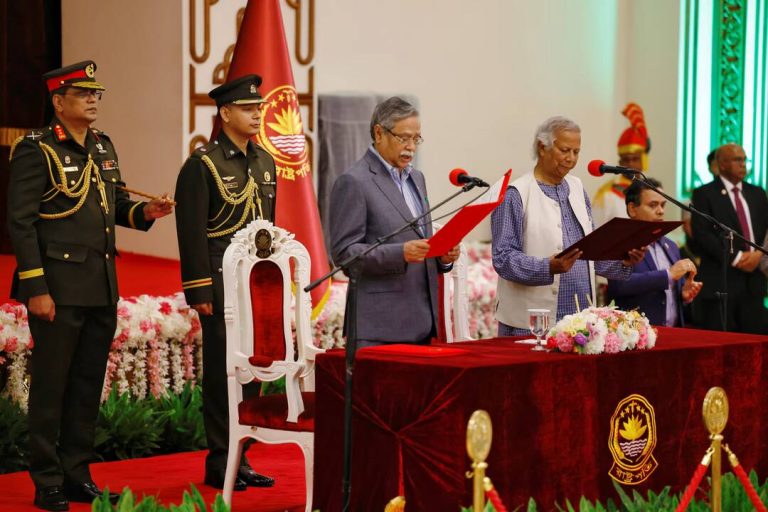
In a shocking revelation, Bangladeshi President Mohammed Shahabuddin has expressed his intention to step down from his post before completing his term. In an interview with Reuters, Shahabuddin stated that he plans to quit after the parliamentary election scheduled to take place on February 12. The President’s decision to resign prematurely has sent shockwaves throughout the country, with many wondering about the reasons behind this sudden move.
According to Shahabuddin, the primary reason for his decision to step down is the humiliation he has faced at the hands of Bangladesh’s interim chief, Mohammed Yunus. The President revealed that he has not met Yunus in seven months, which has led to a significant erosion of his authority and influence. Furthermore, Shahabuddin expressed his deep hurt and humiliation over the removal of his portraits from Bangladeshi embassies, which he believes is a deliberate attempt to undermine his position and dignity.
The removal of Shahabuddin’s portraits from embassies is a significant issue, as it is a symbolic representation of the President’s authority and presence in the country’s diplomatic missions. The fact that Yunus has not met Shahabuddin in seven months is also a clear indication of the strained relationship between the two leaders. This lack of communication and cooperation has created an environment of mistrust and tension, which has ultimately led to Shahabuddin’s decision to resign.
Shahabuddin’s resignation, if it materializes, will have significant implications for the country’s political landscape. The President’s departure will create a power vacuum, which could lead to a period of instability and uncertainty. The parliamentary election scheduled for February 12 will take on added significance, as it will not only determine the composition of the next government but also the future direction of the country.
The relationship between Shahabuddin and Yunus has been strained for some time, with both leaders having significant differences in their vision and approach to governance. While Shahabuddin has been keen to assert his authority and influence, Yunus has been reluctant to cede power and control. This tension has been simmering beneath the surface, and the removal of Shahabuddin’s portraits from embassies has brought the issue to a head.
The international community will be watching the developments in Bangladesh with keen interest, as the country navigates this critical phase in its history. The resignation of the President, if it happens, will be a significant development, and it will be important to see how the country responds to this challenge. The parliamentary election on February 12 will be a crucial test of the country’s democratic institutions, and it will be essential to ensure that the election is free, fair, and transparent.
In conclusion, the decision of Bangladeshi President Mohammed Shahabuddin to step down before completing his term is a significant development that has far-reaching implications for the country. The humiliation he has faced at the hands of Yunus, the removal of his portraits from embassies, and the lack of communication between the two leaders have all contributed to this decision. As the country prepares for the parliamentary election on February 12, it is essential to ensure that the democratic process is respected, and the will of the people is reflected in the outcome.
The future of Bangladesh hangs in the balance, and it is crucial that the country’s leaders work together to ensure a smooth transition and a stable future. The international community will be watching the developments in Bangladesh with keen interest, and it is essential that the country’s democratic institutions are strengthened and respected. As the country navigates this critical phase in its history, it is essential to prioritize the interests of the people and ensure that the country emerges stronger and more stable.
The news of Shahabuddin’s decision to resign has sent shockwaves throughout the country, with many people expressing their concern and uncertainty about the future. The opposition parties have been quick to capitalize on the situation, with some leaders calling for the immediate resignation of the President. However, it is essential to approach this situation with caution and ensure that the democratic process is respected.
The parliamentary election on February 12 will be a crucial test of the country’s democratic institutions, and it is essential to ensure that the election is free, fair, and transparent. The international community will be watching the developments in Bangladesh with keen interest, and it is essential that the country’s leaders work together to ensure a smooth transition and a stable future.
In the end, the decision of Bangladeshi President Mohammed Shahabuddin to step down before completing his term is a significant development that has far-reaching implications for the country. The humiliation he has faced at the hands of Yunus, the removal of his portraits from embassies, and the lack of communication between the two leaders have all contributed to this decision. As the country prepares for the parliamentary election on February 12, it is essential to ensure that the democratic process is respected, and the will of the people is reflected in the outcome.
About the Author