In a first, gene-edited cell therapy cures aggressive blood cancer
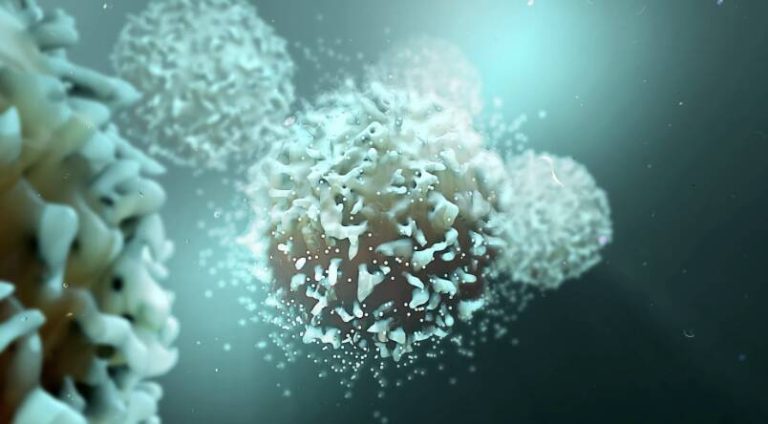
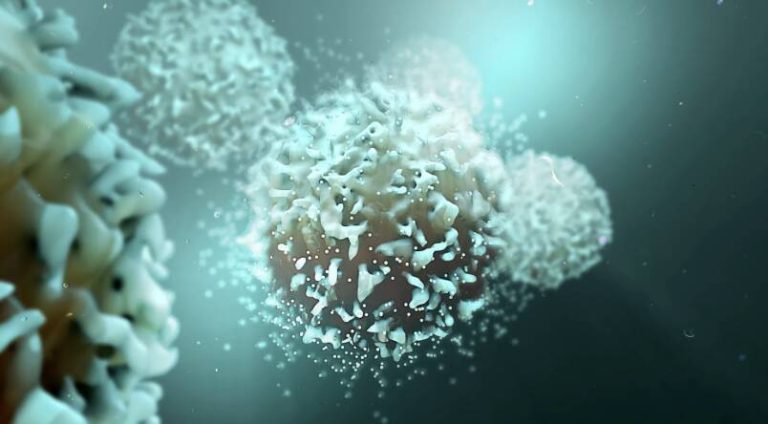
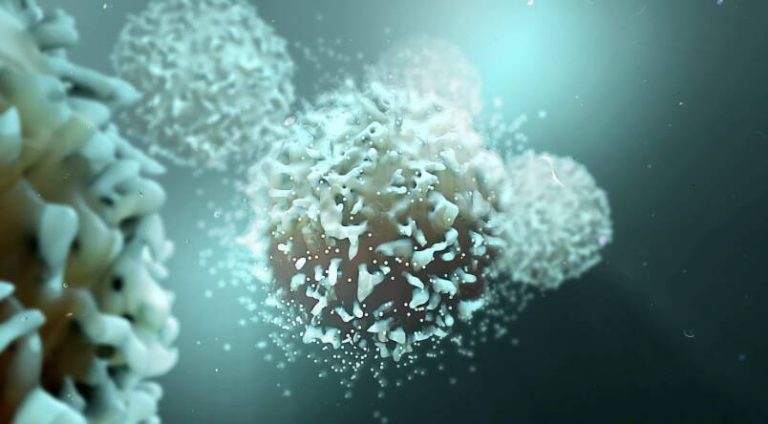
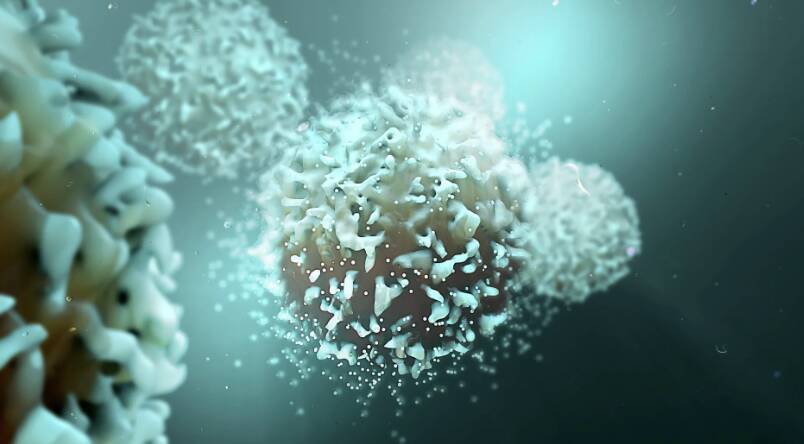
In a groundbreaking medical breakthrough, researchers in the UK have successfully used gene-edited cell therapy to cure an aggressive form of blood cancer. The therapy, known as BE-CAR7, utilizes immune cells that have been genetically modified to target and destroy cancer cells. This innovative approach has shown promising results in reversing T-cell acute lymphoblastic leukaemia (T-ALL), a devastating disease that affects both children and adults.
T-ALL is a type of blood cancer that originates in the bone marrow and rapidly progresses, making it challenging to treat. The disease is characterized by an overproduction of immature T-cells, which crowd out healthy cells in the bone marrow, leading to a range of debilitating symptoms. Conventional treatments for T-ALL often involve chemotherapy, radiation, and stem cell transplants, but these methods can be grueling and may not always be effective.
The BE-CAR7 therapy takes a different approach by harnessing the power of the immune system to fight cancer. The treatment involves removing T-cells from the patient’s blood and genetically modifying them to express chimeric antigen receptors (CARs) on their surface. These CARs are engineered to recognize a specific protein on the surface of cancer cells, allowing the T-cells to target and destroy them.
The process of creating these gene-edited T-cells is complex and involves several steps. First, the T-cells are collected from the patient’s blood and then genetically modified using a virus that delivers the CAR gene to the cells. The modified T-cells are then expanded in number and tested for their ability to recognize and target cancer cells. Once the T-cells have been prepared, they are infused back into the patient’s body, where they can seek out and destroy cancer cells.
The results of the BE-CAR7 therapy have been nothing short of remarkable. In a recent clinical trial, patients with T-ALL who received the gene-edited T-cells experienced significant improvements in their condition, with many achieving complete remission. The treatment has been shown to be highly effective in targeting and destroying cancer cells, while leaving healthy cells intact.
One of the most significant advantages of the BE-CAR7 therapy is its ability to provide long-term protection against cancer. The gene-edited T-cells can persist in the body for extended periods, providing ongoing surveillance and protection against cancer cells. This means that patients who receive the treatment may be able to enjoy a prolonged period of remission, free from the debilitating symptoms of T-ALL.
The success of the BE-CAR7 therapy has significant implications for the treatment of other types of cancer. The use of gene-edited immune cells to target and destroy cancer cells is a highly promising area of research, and it is likely that we will see further developments in this field in the coming years. As our understanding of the genetic basis of cancer improves, it is likely that we will be able to develop even more effective treatments that can target specific types of cancer cells.
The BE-CAR7 therapy is also an excellent example of the power of collaboration in medical research. The development of this treatment involved a team of scientists, clinicians, and engineers working together to design, test, and refine the gene-edited T-cells. This collaborative approach has allowed researchers to tap into a wide range of expertise and resources, leading to the development of a highly effective treatment that has the potential to transform the lives of patients with T-ALL.
In conclusion, the use of gene-edited cell therapy to cure aggressive blood cancer is a major medical breakthrough that holds significant promise for the treatment of this devastating disease. The BE-CAR7 therapy has shown remarkable results in clinical trials, and it is likely that we will see further developments in this field in the coming years. As our understanding of the genetic basis of cancer improves, it is likely that we will be able to develop even more effective treatments that can target specific types of cancer cells.
The success of the BE-CAR7 therapy is a testament to the power of medical research and the importance of continued investment in this field. As we continue to push the boundaries of what is possible in medicine, it is likely that we will see even more innovative treatments emerge that can transform the lives of patients with cancer.
News source: https://www.sciencedaily.com/releases/2025/12/251211040438.htm
About the Author