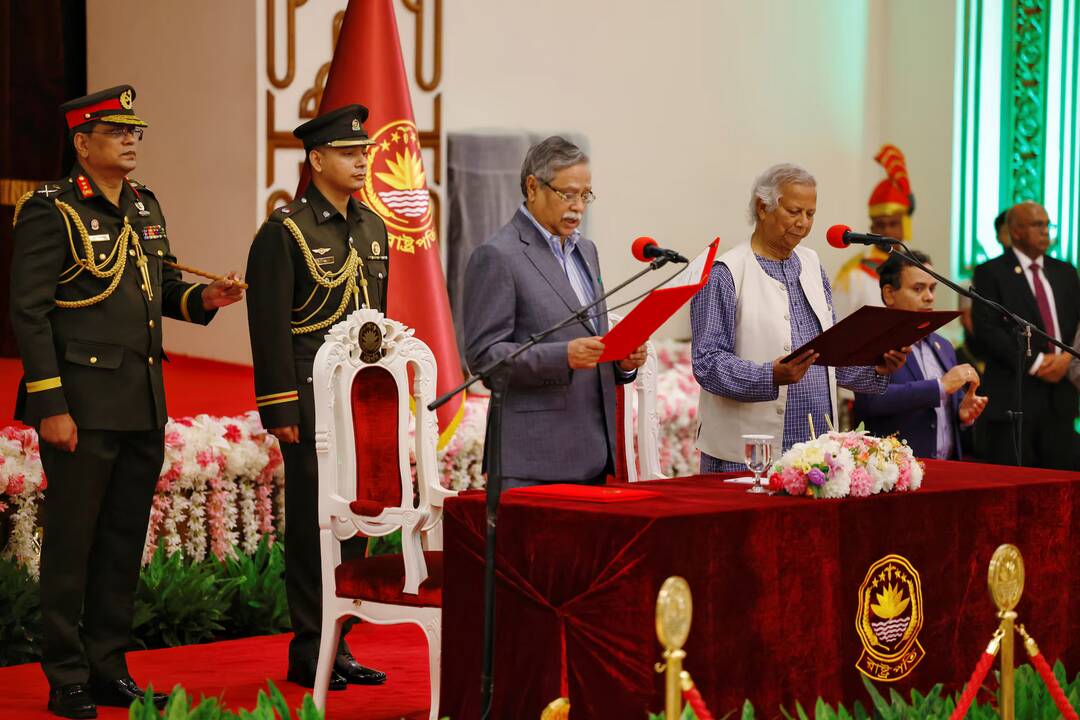
‘Humiliated’ by Yunus, B’desh Prez wants to step down before completing term
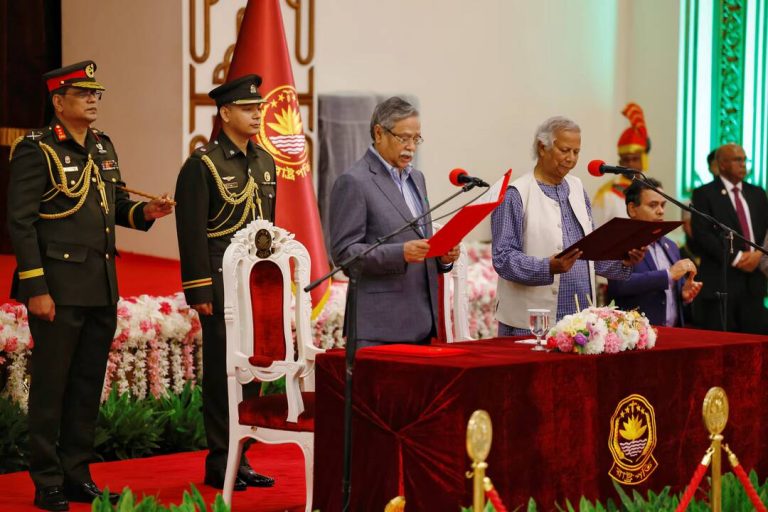
In a shocking turn of events, Bangladeshi President Mohammed Shahabuddin has expressed his intention to step down from his post before completing his term. According to a recent statement made to Reuters, Shahabuddin plans to quit after the parliamentary election scheduled to take place on February 12. This unexpected move has sent ripples through the country’s political landscape, with many left wondering about the reasons behind the President’s decision.
At the heart of Shahabuddin’s decision is his feeling of humiliation, which he claims to have experienced at the hands of Bangladesh’s interim chief, Mohammed Yunus. In a candid conversation with Reuters, the President revealed that he has not met Yunus in seven months, a period that has been marked by a significant decline in their relationship. This strain has been further exacerbated by the removal of Shahabuddin’s portraits from Bangladeshi embassies, an act that the President perceives as a personal affront.
The removal of the President’s portraits is a significant gesture, as it symbolizes a departure from the traditional norms of respect and protocol that are typically accorded to the head of state. In Bangladesh, the President is the symbol of national unity, and his portraits are usually displayed prominently in government offices and embassies as a mark of respect. By taking down these portraits, Yunus is seen to be undermining Shahabuddin’s authority and diminishing his role in the country’s governance.
Shahabuddin’s feeling of humiliation is understandable, given the circumstances. As the President of Bangladesh, he is entitled to a certain level of respect and dignity, which appears to have been denied to him by Yunus. The fact that the two have not met in seven months suggests a deep-seated rift between them, one that has been allowed to fester and grow. This lack of communication and coordination has likely contributed to the erosion of trust between the two leaders, making it difficult for them to work together effectively.
The parliamentary election scheduled to take place on February 12 is likely to be a significant factor in Shahabuddin’s decision to step down. As the President, he would normally be expected to play a key role in the election process, ensuring that it is free and fair. However, given his strained relationship with Yunus, it is possible that Shahabuddin feels that his participation in the election would be seen as an endorsement of the interim chief’s actions, which he clearly does not support.
By stepping down before the election, Shahabuddin is able to maintain his dignity and distance himself from a process that he may not be able to influence or control. This move also allows him to register his protest against Yunus’s actions, which he perceives as a personal attack on his authority and prestige. While this decision may come as a surprise to many, it is a testament to Shahabuddin’s commitment to upholding the dignity of the office of the President.
The implications of Shahabuddin’s decision are far-reaching and could have significant consequences for the country’s political landscape. With the parliamentary election just around the corner, the President’s resignation could create a power vacuum, allowing other political forces to fill the gap. This could lead to a period of uncertainty and instability, as different factions and parties jockey for position and influence.
In the long term, Shahabuddin’s decision could also have an impact on the country’s governance and institutions. The removal of the President’s portraits from embassies and the erosion of his authority could set a precedent for future leaders, undermining the respect and dignity that are traditionally accorded to the head of state. This could have far-reaching consequences for the country’s democracy and its ability to function effectively.
In conclusion, the decision of Bangladeshi President Mohammed Shahabuddin to step down before completing his term is a significant development that has the potential to reshape the country’s political landscape. Driven by a sense of humiliation and a desire to maintain his dignity, Shahabuddin has chosen to distance himself from a process that he may not be able to control or influence. As the country prepares for the parliamentary election on February 12, it remains to be seen how this development will play out and what implications it will have for the future of Bangladesh.
About the Author