‘Humiliated’ by Yunus, B’desh Prez wants to step down before completing term
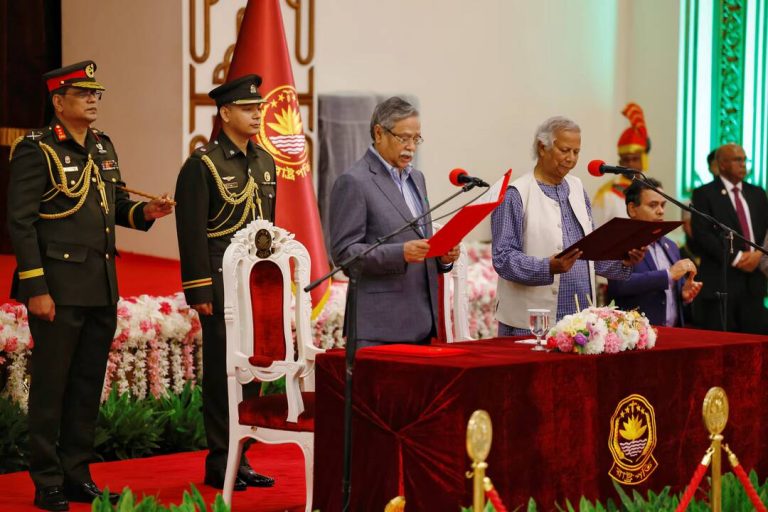
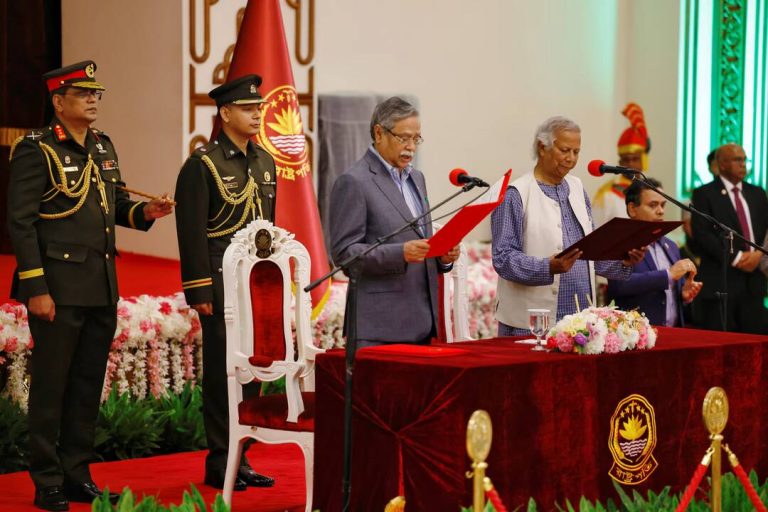
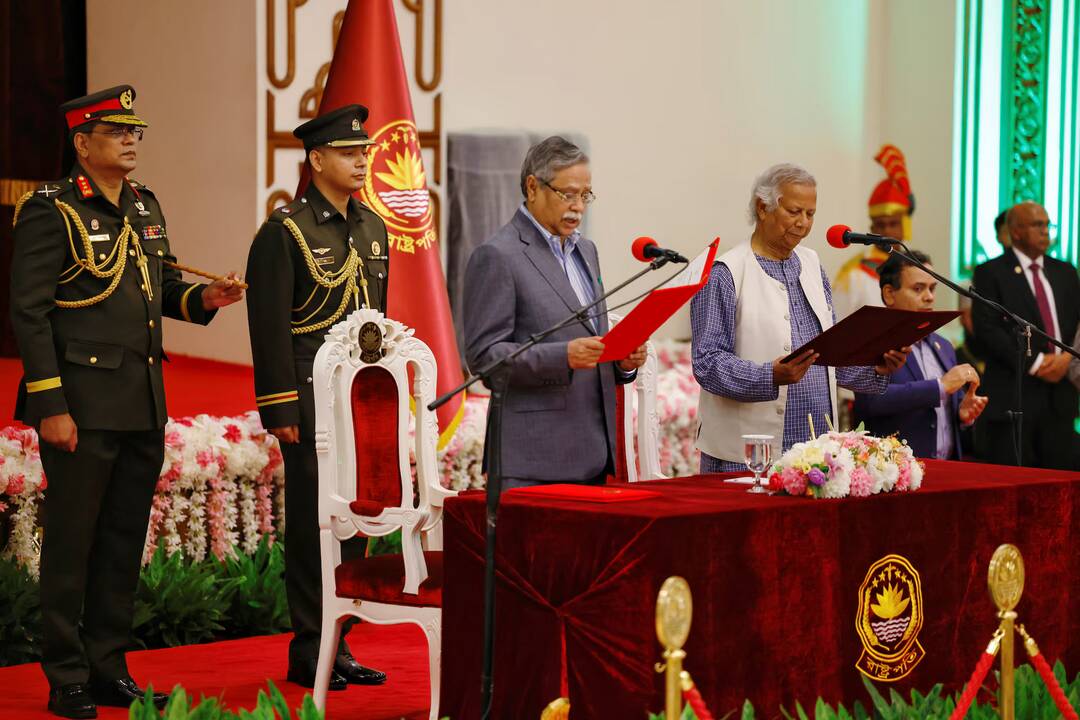
In a shocking turn of events, Bangladeshi President Mohammed Shahabuddin has expressed his intention to step down from his post before completing his term. In an exclusive interview with Reuters, Shahabuddin revealed that he plans to quit after the parliamentary election on February 12. This decision comes after a series of events that have left the President feeling humiliated and marginalized.
According to Shahabuddin, the final straw was the removal of his portraits from Bangladeshi embassies. This act, he believes, was a clear indication of the lack of respect and dignity afforded to his office. The President expressed his deep disappointment and hurt at this gesture, which he perceives as a personal attack on his character and legacy.
Furthermore, Shahabuddin revealed that he has not met with Mohammed Yunus, the interim chief of Bangladesh, in over seven months. This lack of communication and collaboration has created an atmosphere of tension and mistrust between the two leaders. The President feels that Yunus has been deliberately avoiding him, which has further exacerbated the sense of humiliation and isolation.
The relationship between Shahabuddin and Yunus has been strained for some time, with the two leaders holding differing views on various issues. However, the removal of the President’s portraits from embassies has brought the situation to a head. Shahabuddin sees this as a blatant attempt to undermine his authority and diminish his role in the government.
The decision to step down before completing his term is a significant one, and it has far-reaching implications for the future of Bangladeshi politics. Shahabuddin’s resignation would create a power vacuum, which could lead to a period of instability and uncertainty. The upcoming parliamentary election on February 12 will be crucial in determining the direction of the country, and the President’s departure could have a significant impact on the outcome.
It is worth noting that Shahabuddin’s term was supposed to last for several more years, and his early departure would be a rare occurrence in Bangladeshi politics. The President’s decision to quit is likely to send shockwaves throughout the country, and it will be closely watched by the international community.
The situation in Bangladesh has been complex and challenging in recent years, with the country facing numerous economic, social, and political challenges. The government has been struggling to address issues such as poverty, corruption, and human rights abuses, and the President’s resignation could add to the sense of uncertainty and instability.
In the context of the upcoming parliamentary election, Shahabuddin’s decision to step down takes on added significance. The election is expected to be highly contested, with several major parties vying for power. The President’s resignation could potentially influence the outcome of the election, as it may lead to a shift in the balance of power and create new opportunities for other parties.
As the situation continues to unfold, it remains to be seen how the government and the people of Bangladesh will respond to Shahabuddin’s decision. The President’s feelings of humiliation and marginalization are understandable, given the circumstances, and it is likely that his resignation will be widely debated and discussed in the coming days and weeks.
In conclusion, the news of Bangladeshi President Mohammed Shahabuddin’s intention to step down before completing his term is a significant development that will have far-reaching implications for the country. The removal of his portraits from embassies and the lack of communication with Mohammed Yunus have created a sense of humiliation and marginalization, which has ultimately led to the President’s decision to quit. As the country prepares for the parliamentary election on February 12, the situation will be closely watched by the international community, and the outcome will be eagerly anticipated.
About the Author