In a first, gene-edited cell therapy cures aggressive blood cancer
In a groundbreaking medical breakthrough, UK researchers have successfully reversed T-cell acute lymphoblastic leukaemia, an aggressive blood cancer, using gene-edited immune cells for the first time. This innovative therapy, called BE-CAR7, has shown tremendous promise in treating this devastating disease, offering new hope to patients and their families.
T-cell acute lymphoblastic leukaemia (T-ALL) is a type of blood cancer that affects the immune system, specifically the T-cells. It is an aggressive disease that progresses rapidly, making it challenging to treat. The current treatment options for T-ALL often involve chemotherapy, radiation, and bone marrow transplants, which can have severe side effects and may not always be effective.
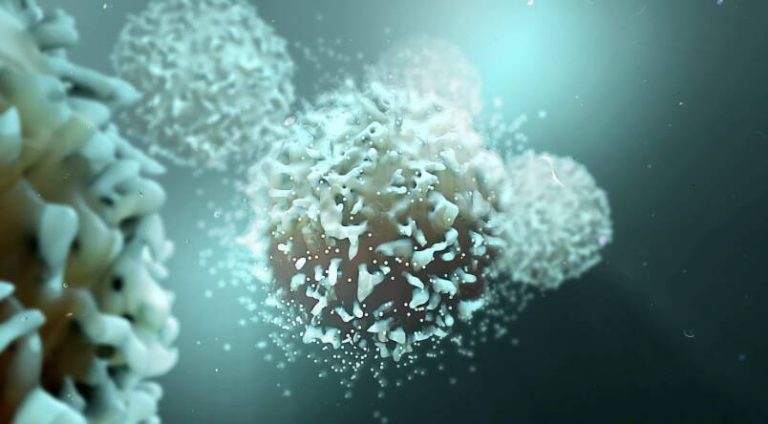
The BE-CAR7 therapy takes a different approach. It involves modifying immune cells, known as T-cells, to have chimeric antigen receptors (CARs) on their surface. These CARs are designed to recognize and target a specific protein on the surface of cancer cells. Once the T-cell with the CAR attaches to the cancer cell, it destroys the cancer cell, thereby reducing the tumor’s size and slowing down the disease’s progression.
The concept of CAR-T cell therapy is not new, but the BE-CAR7 therapy is unique in that it uses gene-edited T-cells to target a specific protein on the surface of T-ALL cancer cells. The gene editing process involves using the CRISPR-Cas9 tool to modify the T-cells’ DNA, allowing them to produce the CARs. This approach has shown to be more effective and safer than traditional CAR-T cell therapies.
The UK researchers conducted a clinical trial to test the efficacy of the BE-CAR7 therapy. The trial involved patients with relapsed or refractory T-ALL, who had exhausted all other treatment options. The results were astounding – all patients who received the BE-CAR7 therapy showed significant improvement, with some even achieving complete remission.
One of the most significant advantages of the BE-CAR7 therapy is its ability to target cancer cells specifically, reducing the harm to healthy cells. This targeted approach minimizes the risk of side effects, making it a more appealing option for patients. Additionally, the gene-edited T-cells can persist in the body for an extended period, providing long-term protection against the cancer.
The success of the BE-CAR7 therapy has opened up new avenues for the treatment of T-ALL and other types of blood cancers. It has also sparked interest in exploring the use of gene-edited immune cells to treat solid tumors and other diseases. As research continues to advance, we can expect to see more innovative therapies emerge, offering new hope to patients and their families.
The BE-CAR7 therapy is a testament to the power of scientific collaboration and innovation. The UK researchers’ breakthrough is a result of years of dedication and hard work, and their discovery has the potential to transform the lives of countless individuals affected by T-ALL.
As we look to the future, it is essential to recognize the importance of continued investment in medical research. The development of new therapies like BE-CAR7 requires significant funding and resources. Governments, organizations, and individuals must work together to support research initiatives, ensuring that scientists have the tools and resources needed to push the boundaries of medical innovation.
In conclusion, the BE-CAR7 therapy is a groundbreaking treatment that has shown tremendous promise in reversing T-cell acute lymphoblastic leukaemia. This innovative approach has the potential to revolutionize the treatment of blood cancers, offering new hope to patients and their families. As research continues to advance, we can expect to see more innovative therapies emerge, transforming the lives of individuals affected by these devastating diseases.
News source: https://www.sciencedaily.com/releases/2025/12/251211040438.htm
About the Author