‘Humiliated’ by Yunus, B’desh Prez wants to step down before completing term
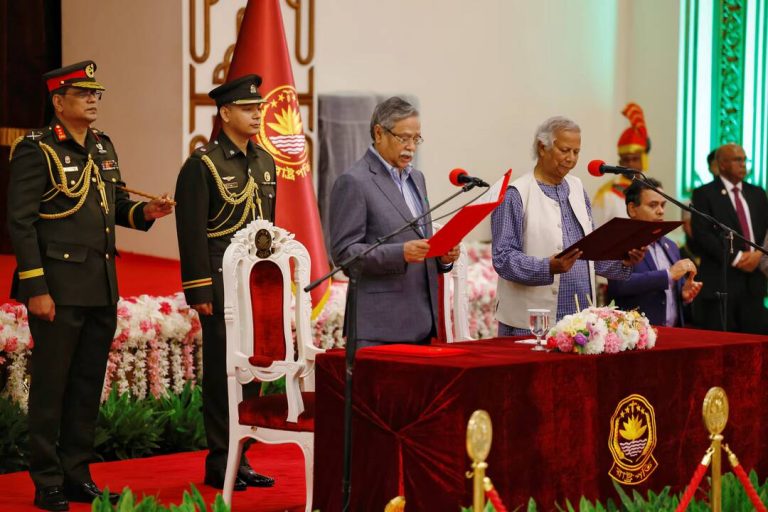
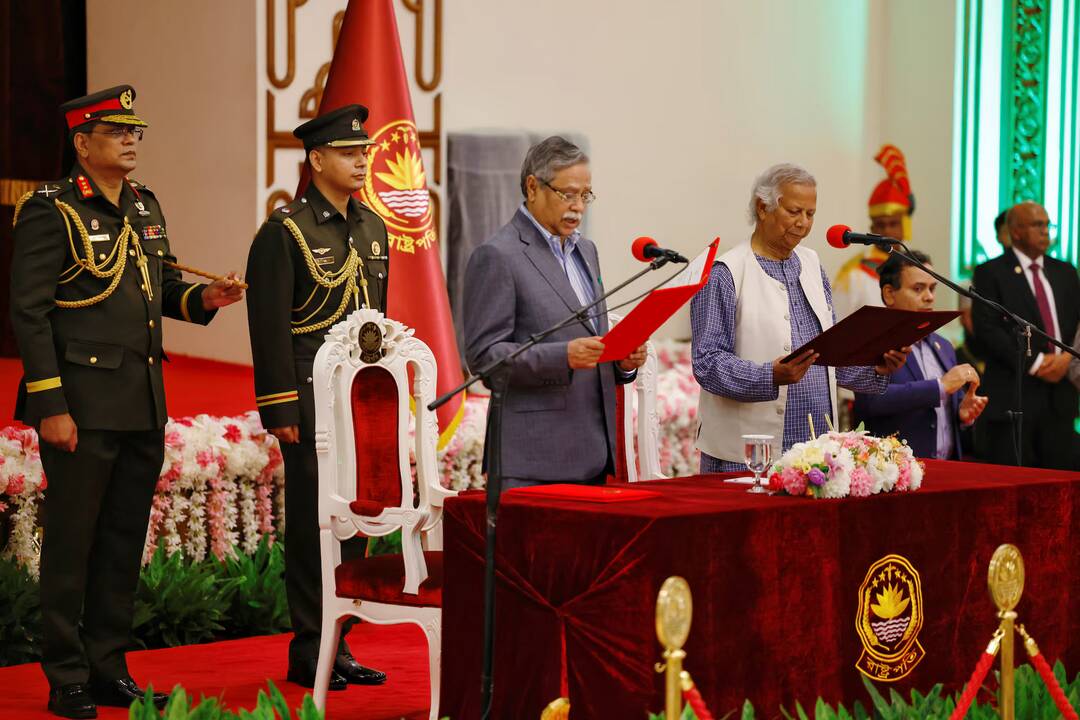
In a shocking turn of events, Bangladeshi President Mohammed Shahabuddin has announced his intention to step down from his post before completing his term. According to Reuters, Shahabuddin has expressed his desire to quit after the parliamentary election scheduled to take place on February 12. The President’s decision comes after a series of humiliating incidents, including the removal of his portraits from Bangladeshi embassies, which he believes is a deliberate attempt to undermine his authority.
Shahabuddin’s relationship with Bangladesh’s interim chief, Mohammed Yunus, has been strained for quite some time. The President revealed that Yunus hasn’t met him in seven months, which has further exacerbated the situation. The lack of communication and cooperation between the two leaders has created an atmosphere of tension and distrust, making it difficult for Shahabuddin to perform his duties effectively.
The removal of Shahabuddin’s portraits from Bangladeshi embassies is seen as a significant blow to his prestige and authority. The President feels that this act is a direct challenge to his position and a attempt to humiliate him in the eyes of the international community. The incident has sparked widespread speculation about the underlying reasons behind this move, with many believing that it is a deliberate attempt by Yunus to assert his dominance and undermine Shahabuddin’s authority.
Shahabuddin’s decision to step down before completing his term is likely to have significant implications for the country’s political landscape. The parliamentary election scheduled to take place on February 12 is expected to be a crucial milestone in the country’s democratic process. The President’s departure could potentially create a power vacuum, which could be exploited by various political factions to further their own interests.
The relationship between Shahabuddin and Yunus has been under strain for quite some time. The two leaders have had significant differences in their approach to governance, with Shahabuddin advocating for a more democratic and inclusive approach, while Yunus has been accused of adopting a more authoritarian stance. The lack of communication and cooperation between the two leaders has created an atmosphere of mistrust and hostility, which has made it difficult for the government to function effectively.
The parliamentary election scheduled to take place on February 12 is expected to be a crucial test for the country’s democratic institutions. The election will provide an opportunity for the people of Bangladesh to exercise their franchise and choose their representatives. However, the President’s decision to step down before completing his term could potentially create uncertainty and instability, which could impact the outcome of the election.
In recent months, Bangladesh has been grappling with a range of challenges, including economic instability, political unrest, and social tensions. The country has been struggling to recover from the impact of the COVID-19 pandemic, which has had a devastating impact on its economy. The political instability and uncertainty created by Shahabuddin’s decision to step down could further exacerbate these challenges and create an environment of uncertainty and mistrust.
The international community has been watching the developments in Bangladesh with keen interest. The country’s democratic institutions and processes have been under strain for quite some time, and the President’s decision to step down could potentially create a power vacuum that could be exploited by external actors. The United States, the European Union, and other major powers have been encouraging Bangladesh to strengthen its democratic institutions and promote a culture of tolerance and inclusivity.
In conclusion, the decision of Bangladeshi President Mohammed Shahabuddin to step down before completing his term is a significant development that could have far-reaching implications for the country’s political landscape. The removal of his portraits from Bangladeshi embassies and the lack of communication and cooperation with interim chief Mohammed Yunus have created an atmosphere of tension and mistrust, which has made it difficult for the President to perform his duties effectively. The parliamentary election scheduled to take place on February 12 will provide an opportunity for the people of Bangladesh to exercise their franchise and choose their representatives. However, the President’s decision to step down could potentially create uncertainty and instability, which could impact the outcome of the election.
About the Author