‘Humiliated’ by Yunus, B’desh Prez wants to step down before completing term
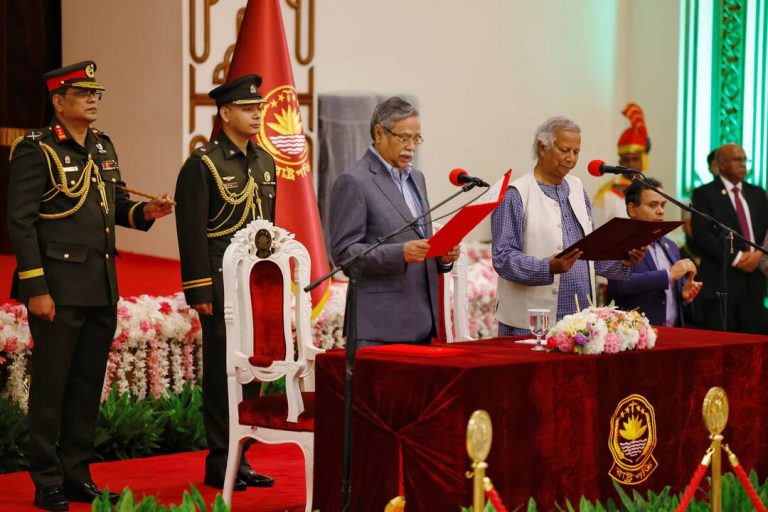
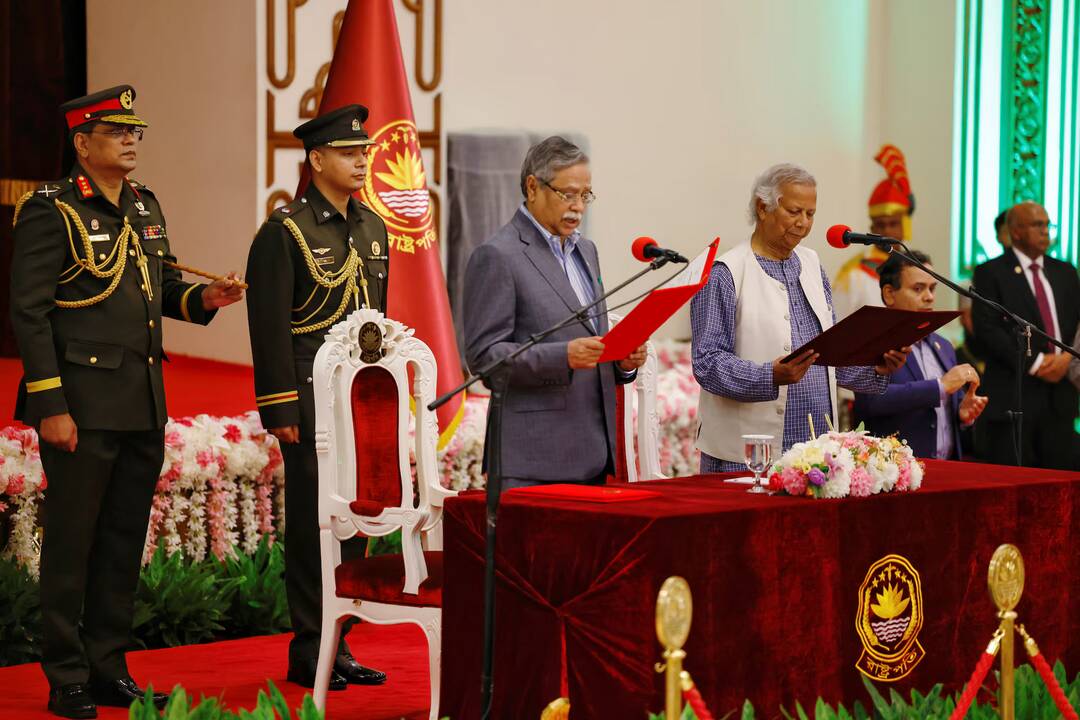
In a shocking turn of events, Bangladeshi President Mohammed Shahabuddin has expressed his intention to step down from his post before completing his term. In an exclusive interview with Reuters, Shahabuddin revealed that he plans to quit after the parliamentary election on February 12. This unexpected move has sent ripples through the Bangladeshi political landscape, leaving many wondering about the reasons behind the President’s decision.
According to Shahabuddin, the primary reason for his decision to step down is the humiliation he has faced at the hands of Bangladesh’s interim chief, Mohammed Yunus. The President revealed that he has not met Yunus in seven months, which has led to a significant erosion of his authority and influence. The lack of communication and cooperation between the two leaders has created an untenable situation, making it difficult for Shahabuddin to continue in his role.
Another incident that has contributed to Shahabuddin’s feeling of humiliation is the removal of his portraits from Bangladeshi embassies. This move, seen as a deliberate attempt to undermine the President’s authority, has been deeply hurtful to Shahabuddin. The removal of his portraits is a significant symbolic gesture, indicating a lack of respect and recognition for the President’s office.
The parliamentary election on February 12 is likely to be a crucial factor in Shahabuddin’s decision to step down. The election is expected to be a closely contested one, with several parties vying for power. Shahabuddin’s decision to quit after the election may be seen as an attempt to avoid any potential controversy or conflict that may arise during the election process.
Shahabuddin’s tenure as President has been marked by several challenges, including the country’s struggling economy and the ongoing political instability. Despite these challenges, Shahabuddin has been a vocal advocate for democracy and human rights, often speaking out against corruption and abuse of power. His decision to step down is likely to be seen as a significant loss for the country, as he has been a stabilizing force in Bangladeshi politics.
The implications of Shahabuddin’s decision to step down are far-reaching and complex. The parliamentary election on February 12 is likely to be a crucial factor in determining the country’s future, and Shahabuddin’s departure may create a power vacuum. The lack of communication and cooperation between Shahabuddin and Yunus has already created a sense of uncertainty, and the President’s decision to quit is likely to exacerbate this situation.
In the coming weeks and months, Bangladesh is likely to witness a significant amount of political maneuvering, as different parties and factions jockey for power. The election on February 12 will be a critical test for the country’s democratic institutions, and the outcome is likely to have a significant impact on the country’s future.
As the situation continues to unfold, one thing is clear: Shahabuddin’s decision to step down is a significant development that will have far-reaching implications for Bangladesh. The country’s political landscape is likely to undergo significant changes in the coming months, and it remains to be seen how the different parties and factions will respond to this new reality.
In conclusion, the news of Shahabuddin’s decision to step down as President of Bangladesh is a significant development that will have far-reaching implications for the country. The reasons behind his decision, including the humiliation he has faced at the hands of Yunus and the removal of his portraits from Bangladeshi embassies, are a clear indication of the challenges he has faced during his tenure. As the country prepares for the parliamentary election on February 12, one thing is clear: the future of Bangladesh is uncertain, and the coming months will be critical in shaping the country’s destiny.
About the Author