‘Humiliated’ by Yunus, B’desh Prez wants to step down before completing term
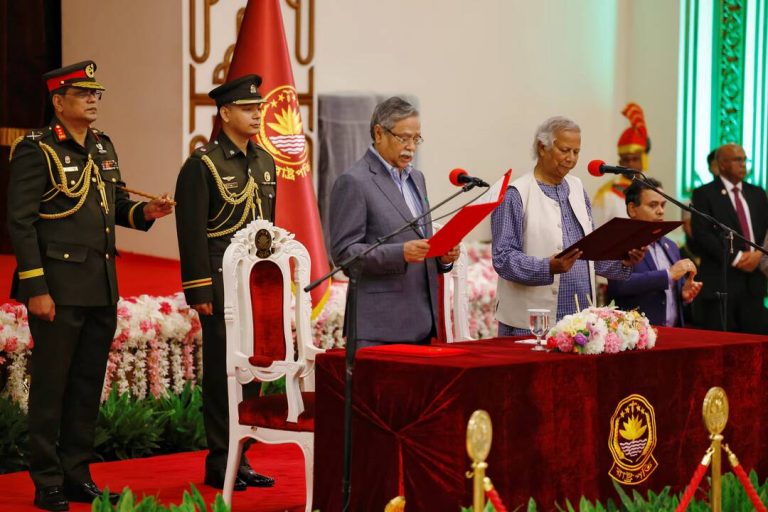
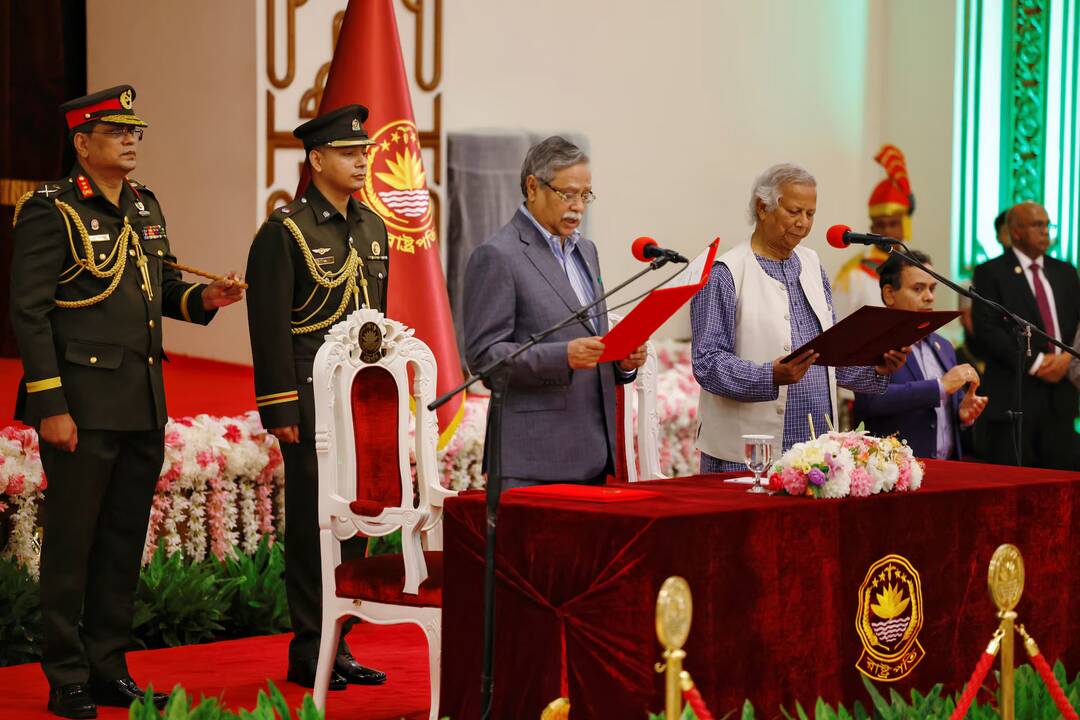
In a shocking revelation, Bangladeshi President Mohammed Shahabuddin has expressed his desire to step down from his post before completing his term. In an exclusive interview with Reuters, Shahabuddin stated that he intends to quit after the parliamentary election scheduled to take place on February 12. This unexpected move has sent ripples throughout the Bangladeshi political landscape, leaving many to wonder about the reasons behind the President’s decision.
According to Shahabuddin, the primary reason for his decision to step down is the humiliation he has faced at the hands of Mohammed Yunus, the interim chief of Bangladesh. The President revealed that Yunus has not met him in seven months, which has led to a significant deterioration in their relationship. Furthermore, Shahabuddin expressed his deep disappointment and hurt over the removal of his portraits from Bangladeshi embassies, an act that he perceives as a personal affront.
The removal of the President’s portraits from embassies is a significant gesture, as it symbolizes the erosion of respect and dignity associated with the office of the President. Shahabuddin’s feelings of humiliation and disrespect are understandable, given the importance of these symbols in representing the country and its leadership. The fact that Yunus has not met with the President in seven months suggests a deep-seated rift between the two, which has ultimately led to Shahabuddin’s decision to step down.
The parliamentary election on February 12 is likely to have a significant impact on the future of Bangladeshi politics. The election will determine the composition of the new parliament and will likely influence the direction of the country’s governance. Shahabuddin’s decision to step down after the election suggests that he is aware of the potential changes that may take place and is preparing to exit the scene before the new government takes over.
The implications of Shahabuddin’s decision are far-reaching and will likely have a significant impact on the stability of the Bangladeshi government. The President’s resignation will create a power vacuum, which may lead to a period of uncertainty and potential instability. The new government, which will be formed after the parliamentary election, will need to navigate this challenging situation and ensure a smooth transition of power.
In the context of Bangladeshi politics, the relationship between the President and the interim chief is crucial. The President is the head of state, while the interim chief is responsible for overseeing the day-to-day governance of the country. A strained relationship between the two can have significant consequences, as it can affect the overall functioning of the government.
The fact that Yunus has not met with Shahabuddin in seven months suggests a significant breakdown in communication between the two. This lack of communication can have far-reaching consequences, as it can lead to misunderstandings and miscommunication. The removal of the President’s portraits from embassies is a visible manifestation of this breakdown, and it is likely that there are other, more subtle, signs of tension between the two.
In conclusion, the decision of Bangladeshi President Mohammed Shahabuddin to step down before completing his term is a significant development in the country’s politics. The reasons behind this decision, including the humiliation he has faced at the hands of Mohammed Yunus and the removal of his portraits from embassies, are deeply personal and suggest a significant rift between the two. The implications of this decision will be far-reaching, and it remains to be seen how the new government will navigate this challenging situation.
As the parliamentary election on February 12 approaches, the people of Bangladesh are likely to be watching the developments with great interest. The election will determine the future of the country, and the decision of the President to step down will add an extra layer of complexity to the situation. One thing is certain, however: the next few weeks will be crucial in shaping the future of Bangladeshi politics.
About the Author