‘Humiliated’ by Yunus, B’desh Prez wants to step down before completing term
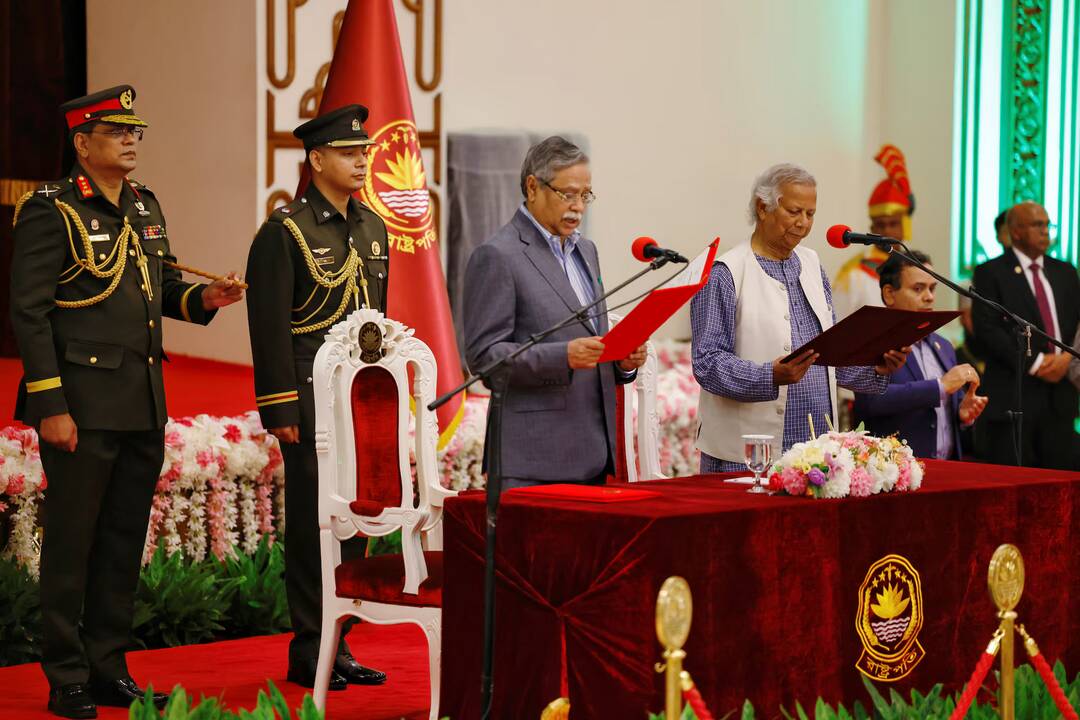
In a shocking revelation, Bangladeshi President Mohammed Shahabuddin has expressed his desire to step down from his post before completing his term. According to a recent interview with Reuters, Shahabuddin intends to quit after the parliamentary election scheduled to take place on February 12. This unexpected move has sent ripples through the Bangladeshi political landscape, leaving many to wonder about the underlying reasons behind the President’s decision.
Shahabuddin’s decision to resign is reportedly linked to his feelings of humiliation, which he claims have been exacerbated by the removal of his portraits from Bangladeshi embassies. The President believes that this act is a deliberate attempt to undermine his authority and diminish his stature as the head of state. Moreover, he has revealed that Bangladesh’s interim chief, Mohammed Yunus, has not met with him in seven months, further contributing to his sense of isolation and marginalization.
The relationship between Shahabuddin and Yunus has been a subject of interest in recent months, with many speculating about the tensions between the two leaders. The fact that Yunus has not met with Shahabuddin in over half a year suggests a significant breakdown in communication and a lack of coordination between the two branches of government. This disconnect has likely contributed to Shahabuddin’s feelings of frustration and humiliation, ultimately leading to his decision to step down.
The parliamentary election on February 12 is expected to be a crucial milestone in Bangladesh’s political calendar, with many parties and candidates vying for power. Shahabuddin’s decision to resign after the election will likely have significant implications for the country’s political landscape, as it will create a power vacuum at the top. The question on everyone’s mind is: who will succeed Shahabuddin, and how will this transition impact the country’s stability and governance?
Shahabuddin’s tenure as President has been marked by several challenges, including economic struggles, social unrest, and political tensions. Despite these difficulties, he has attempted to navigate the complex web of Bangladeshi politics, often finding himself at odds with other powerful figures, including Yunus. The removal of his portraits from embassies is seen as a symbolic gesture, highlighting the erosion of his authority and the decline of his influence.
The news of Shahabuddin’s impending resignation has sparked a mix of reactions, with some expressing surprise and others seeing it as a predictable outcome. Many Bangladeshi citizens are likely to be concerned about the potential consequences of this move, including the possibility of political instability and uncertainty. As the country prepares for the parliamentary election, the focus will shift to the candidates and parties vying for power, with Shahabuddin’s resignation serving as a backdrop to the unfolding drama.
In the coming weeks and months, Bangladesh will be closely watched by the international community, as the country navigates this critical juncture in its history. The relationship between Shahabuddin and Yunus will continue to be scrutinized, with many analysts attempting to decipher the underlying dynamics at play. As the February 12 election approaches, the stakes will be high, with the future of Bangladesh hanging in the balance.
In conclusion, the decision by Bangladeshi President Mohammed Shahabuddin to step down before completing his term is a significant development, with far-reaching implications for the country’s politics and governance. The removal of his portraits from embassies and the lack of communication with Mohammed Yunus have contributed to his feelings of humiliation, ultimately leading to his decision to resign. As the country prepares for the parliamentary election, the focus will shift to the candidates and parties vying for power, with Shahabuddin’s resignation serving as a reminder of the complexities and challenges inherent in Bangladeshi politics.
About the Author