‘Humiliated’ by Yunus, B’desh Prez wants to step down before completing term
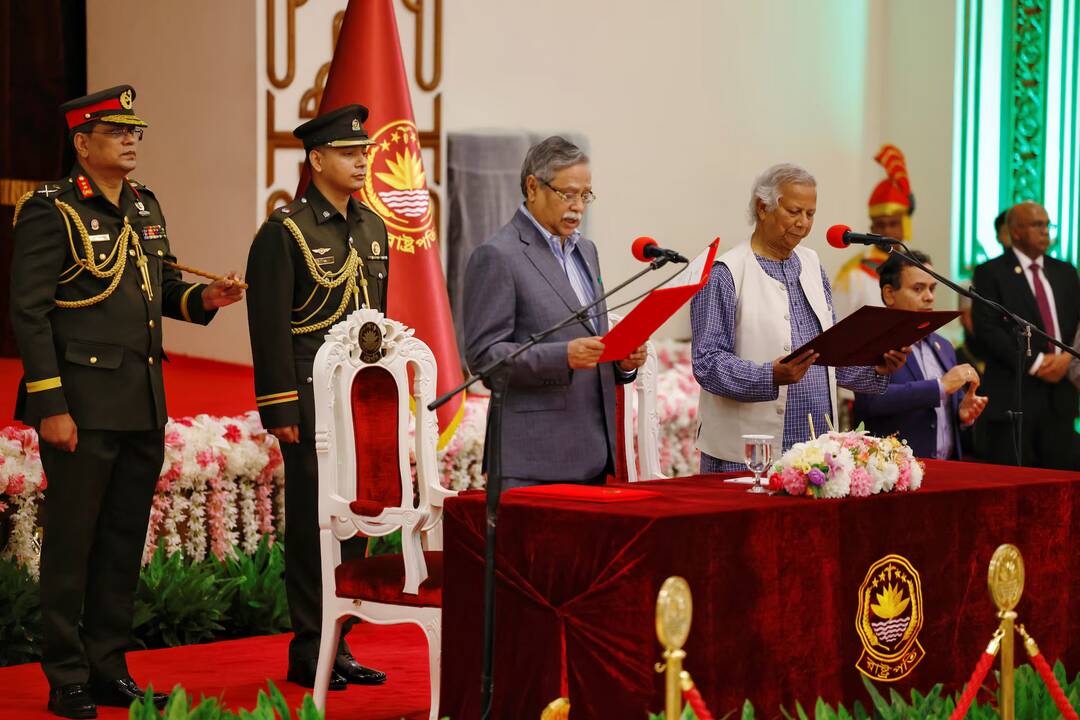
In a shocking turn of events, Bangladeshi President Mohammed Shahabuddin has expressed his intention to step down from his post before completing his term. In an exclusive interview with Reuters, Shahabuddin revealed that he plans to quit after the parliamentary election on February 12. The President’s decision comes amidst a series of events that have left him feeling humiliated, particularly at the hands of Bangladesh’s interim chief, Mohammed Yunus.
According to Shahabuddin, the final straw was when his portraits were taken down from Bangladeshi embassies. This move, he believes, is a clear indication of the lack of respect and regard for his office. The President also revealed that he has not met with Yunus in seven months, which has further exacerbated the situation. The absence of communication between the two leaders has created a sense of unease and mistrust, making it difficult for Shahabuddin to continue in his role.
The relationship between Shahabuddin and Yunus has been strained for some time now. As the interim chief, Yunus has been responsible for overseeing the country’s transition to a new government. However, his actions and decisions have often been at odds with those of the President. The removal of Shahabuddin’s portraits from embassies is seen as a blatant disregard for the President’s authority and a attempt to undermine his position.
Shahabuddin’s decision to step down is likely to have significant implications for Bangladesh’s political landscape. The country is already gearing up for parliamentary elections, which are scheduled to take place on February 12. The President’s resignation will undoubtedly create a power vacuum, which could lead to further instability and uncertainty.
The parliamentary election is expected to be a closely contested affair, with several major parties vying for power. The ruling party, led by Prime Minister Sheikh Hasina, is facing a strong challenge from the opposition. The election will be a crucial test for the country’s democratic institutions, and the outcome will have a significant impact on Bangladesh’s future.
In the midst of this political turmoil, Shahabuddin’s resignation will only add to the sense of uncertainty. The President’s decision to quit before completing his term will raise questions about the stability of the government and the ability of the country’s institutions to function effectively.
The international community will also be watching the developments in Bangladesh with great interest. The country has been a key player in regional politics, and its stability is crucial for the security and prosperity of the region. The United States, China, and India, among others, have significant economic and strategic interests in Bangladesh, and will be keenly observing the outcome of the election and the subsequent developments.
As the situation continues to unfold, it remains to be seen how the government will respond to Shahabuddin’s decision. The ruling party may try to persuade the President to reconsider his decision, or they may begin the process of selecting a new candidate to take over the presidency. Either way, the next few weeks will be crucial in determining the course of Bangladesh’s political future.
In conclusion, the news of Shahabuddin’s intention to step down as President of Bangladesh has sent shockwaves throughout the country. The reasons behind his decision, including the removal of his portraits from embassies and the lack of communication with Yunus, have highlighted the deep-seated tensions within the government. As the country prepares for parliamentary elections, the President’s resignation will only add to the sense of uncertainty and instability. One thing is certain, however: the next few weeks will be crucial in shaping the future of Bangladesh.
About the Author