‘Humiliated’ by Yunus, B’desh Prez wants to step down before completing term
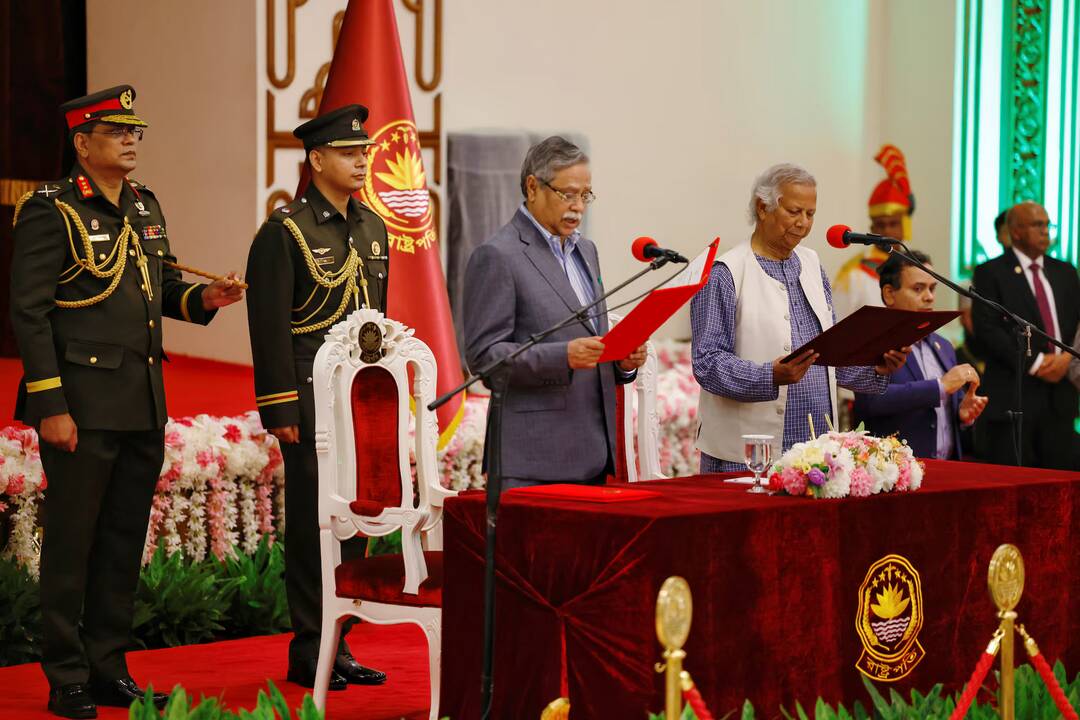
In a shocking turn of events, Bangladeshi President Mohammed Shahabuddin has expressed his intention to step down from his post before completing his term. According to a recent statement made to Reuters, Shahabuddin plans to quit after the parliamentary election scheduled for February 12. This unexpected move comes after a series of humiliating events that have left the President feeling belittled and disrespected.
At the center of the controversy is Bangladesh’s interim chief, Mohammed Yunus. Shahabuddin revealed that Yunus has not met with him in seven months, a clear indication of the strained relationship between the two leaders. This lack of communication and cooperation has led to a breakdown in the functioning of the government, with Shahabuddin feeling increasingly isolated and powerless.
One of the most significant incidents that contributed to Shahabuddin’s decision to step down was the removal of his portraits from Bangladeshi embassies. This act, perceived as a deliberate attempt to humiliate the President, has left him feeling disrespected and unappreciated. The removal of the portraits is seen as a symbolic gesture, indicating a lack of regard for the office of the President and the person holding it.
Shahabuddin’s decision to step down is not just a personal reaction to the humiliation he has faced but also a reflection of the deeper issues plaguing the Bangladeshi government. The country has been experiencing a period of political instability, with the current interim government facing criticism for its handling of various issues. The lack of cooperation between Shahabuddin and Yunus has only added to the chaos, making it challenging for the government to function effectively.
The parliamentary election scheduled for February 12 is expected to bring about significant changes in the Bangladeshi government. With Shahabuddin planning to step down after the election, it is likely that the new government will be formed without him. This raises questions about the future of Bangladeshi politics and the potential implications of Shahabuddin’s departure.
One of the primary concerns is the potential power vacuum that could arise after Shahabuddin’s resignation. With the current interim government already facing criticism, the departure of the President could lead to further instability. The new government will need to address the underlying issues that have led to the current crisis, including the strained relationship between Shahabuddin and Yunus.
The international community will be closely watching the developments in Bangladesh, particularly in the lead-up to the parliamentary election. The country’s relationships with other nations could be impacted by the change in leadership, and it is essential for the new government to establish strong diplomatic ties to ensure the country’s continued growth and development.
In conclusion, the decision by Bangladeshi President Mohammed Shahabuddin to step down before completing his term is a significant development in the country’s political landscape. The humiliation he has faced, particularly at the hands of interim chief Mohammed Yunus, has led to a breakdown in the functioning of the government. As the country prepares for the parliamentary election, it is essential to address the underlying issues that have led to this crisis and ensure a smooth transition of power.
The news of Shahabuddin’s decision to step down has sent shockwaves throughout the country, with many wondering what the future holds for Bangladeshi politics. One thing is certain, however: the country is on the cusp of significant change, and the outcome of the parliamentary election will play a crucial role in shaping the future of Bangladesh.
As the country navigates this period of uncertainty, it is essential to prioritize stability and cooperation. The new government will need to work towards addressing the deep-seated issues that have led to the current crisis, including the strained relationship between Shahabuddin and Yunus. By doing so, Bangladesh can emerge from this challenging period stronger and more resilient than ever before.
The world will be watching as Bangladesh embarks on this new chapter in its political history. The country’s ability to navigate the challenges ahead will depend on the ability of its leaders to work together and prioritize the needs of the nation. As the parliamentary election approaches, one thing is clear: the future of Bangladesh hangs in the balance, and the decisions made in the coming weeks will have a lasting impact on the country’s future.
About the Author