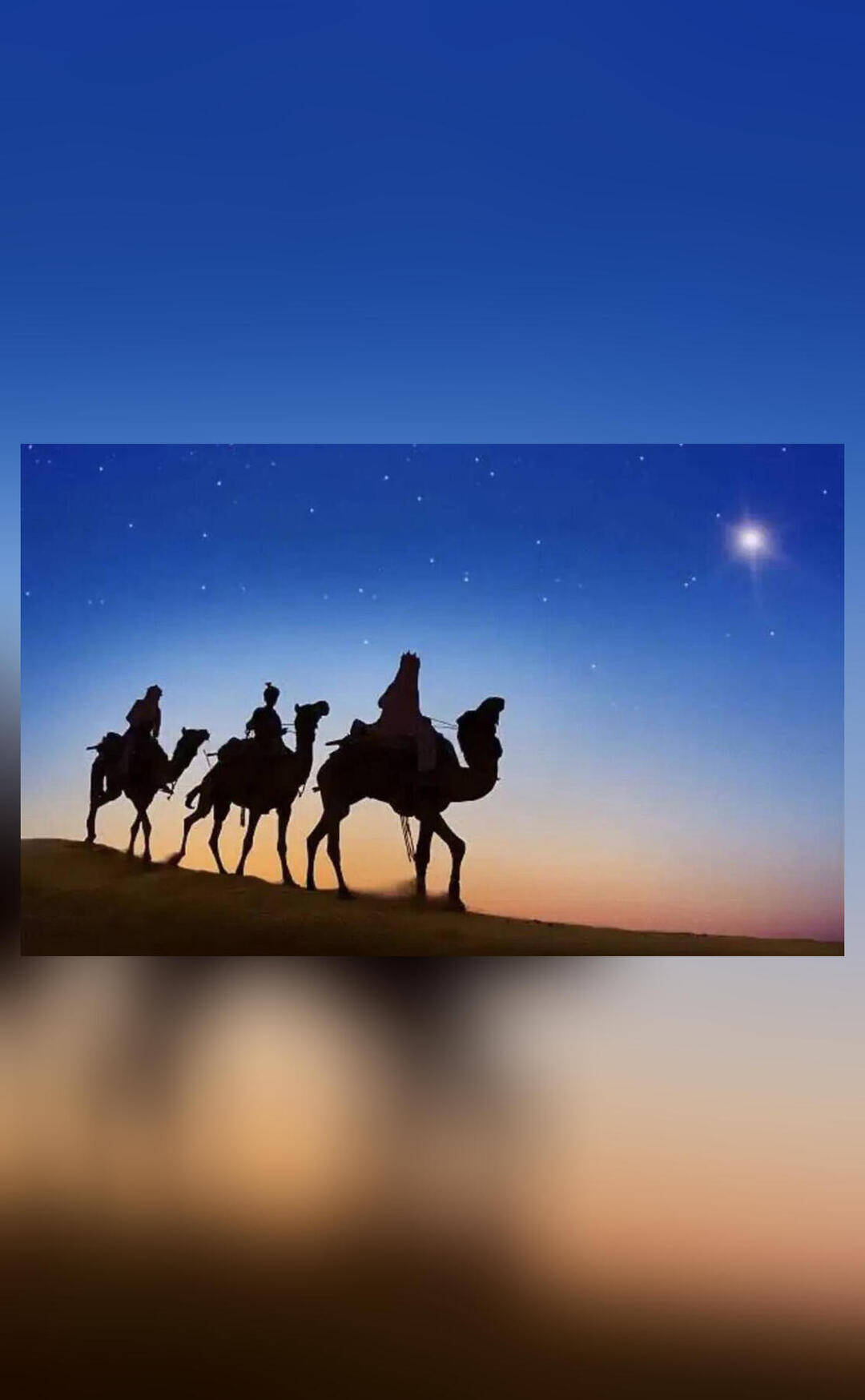
NASA Scientist Says Biblical Star of Bethlehem May Have Been Comet
The Star of Bethlehem, also known as the Christmas Star, has been a topic of debate and speculation for centuries. The biblical account of the Star of Bethlehem is found in the Gospel of Matthew, which describes a celestial event that guided the Magi, also known as the Three Wise Men, to the birthplace of Jesus Christ. While the exact nature of the Star of Bethlehem has been the subject of much speculation, a NASA planetary scientist has suggested that it may have been a comet that was recorded by Chinese astronomers in 5 BC.
According to Mark Matney, a NASA planetary scientist, the biblical Star of Bethlehem may have been a comet that was visible for over 70 days. This comet may have passed extremely close to Earth, making it shine during the daytime, which would have been a remarkable sight. Matney’s orbital analysis showed that the comet may have seemed to move and then “stand still,” which is consistent with the description of the Star of Bethlehem in the Gospel.
The idea that the Star of Bethlehem was a comet is not new, but Matney’s research provides new insights into the possibility. The comet that Matney suggests was the Star of Bethlehem was recorded by Chinese astronomers in 5 BC, which is around the time that the biblical account of the Star of Bethlehem is believed to have taken place. The Chinese records describe a comet that was visible for over 70 days, which is consistent with the biblical account of the Star of Bethlehem.
One of the most interesting aspects of Matney’s research is the idea that the comet may have passed extremely close to Earth. If this is the case, it would have made the comet appear much brighter in the sky, which would have been a remarkable sight. The comet’s close approach to Earth would also have made it visible during the daytime, which would have been a rare and unusual occurrence.
Matney’s orbital analysis of the comet’s path also provides some interesting insights into the possible behavior of the Star of Bethlehem. According to Matney, the comet may have seemed to move and then “stand still,” which is consistent with the description of the Star of Bethlehem in the Gospel. This behavior is possible if the comet was moving in a retrograde orbit, which would have made it appear to move in the opposite direction of the stars.
The idea that the Star of Bethlehem was a comet is not without its challenges, however. One of the main challenges is the fact that comets are relatively rare and unpredictable, which makes it difficult to pinpoint the exact comet that may have been the Star of Bethlehem. Additionally, the biblical account of the Star of Bethlehem is not very detailed, which makes it difficult to determine the exact nature of the celestial event.
Despite these challenges, Matney’s research provides some interesting insights into the possible nature of the Star of Bethlehem. The idea that the Star of Bethlehem was a comet is certainly plausible, and Matney’s research provides some compelling evidence to support this theory. While the exact nature of the Star of Bethlehem may never be known for certain, Matney’s research is an important contribution to the ongoing debate and speculation about this celestial event.
In conclusion, the Star of Bethlehem remains one of the most fascinating and intriguing celestial events in human history. While the exact nature of the Star of Bethlehem may never be known for certain, Matney’s research provides some interesting insights into the possibility that it may have been a comet. The idea that the Star of Bethlehem was a comet is certainly plausible, and Matney’s research provides some compelling evidence to support this theory. As we continue to explore and study the universe, it is likely that we will learn more about the Star of Bethlehem and its possible connection to a comet.
About the Author