China & US like square & circle, that’s why we turned to India but it’s hard nut to crack: US
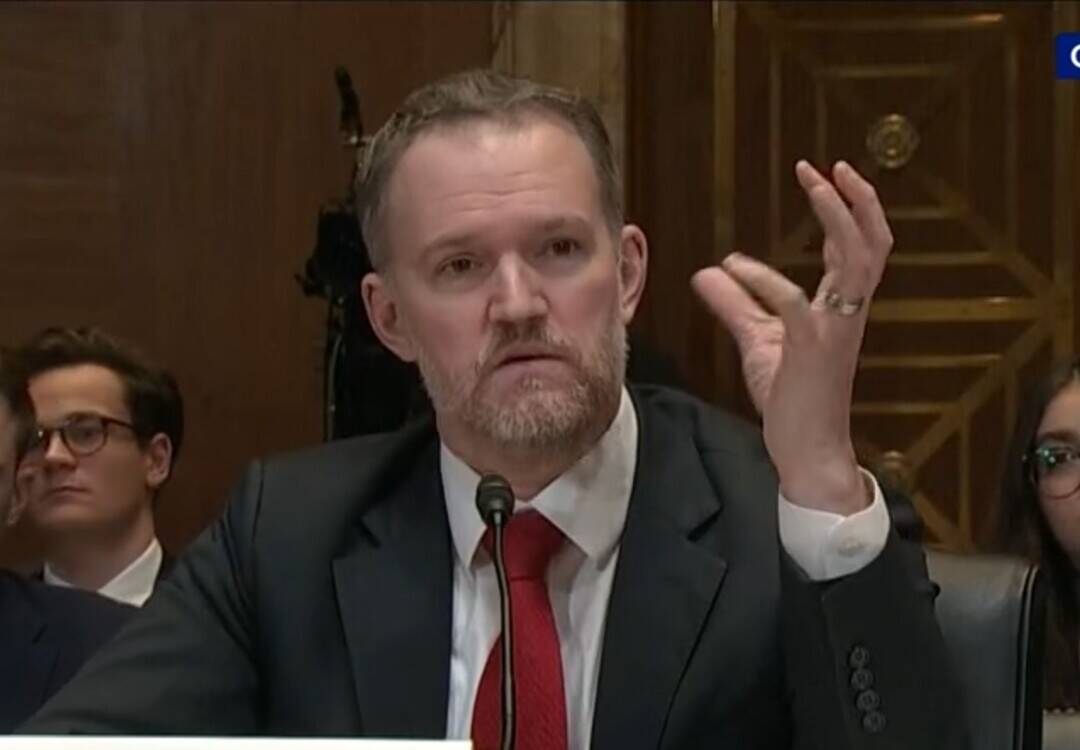
The United States and China have been engaged in a trade war for several years, with both countries imposing tariffs on each other’s goods. The relationship between the two economic giants has been strained, to say the least. Recently, US Trade Representative Jamieson Greer made a statement that succinctly captures the essence of the US-China trade dynamic. According to Greer, the economies of China and the US are like a square and a circle, which don’t sit together. This analogy highlights the fundamental differences between the two countries’ economic systems and the challenges they face in their trade relations.
The US has been seeking to diversify its trade relationships and reduce its dependence on China. One of the key areas of focus for the US has been crop exports. The US is a significant producer of crops such as soybeans, corn, and wheat, and it has been looking to expand its export markets. Greer noted that it is helpful for the US to diversify its crop exports, which is why the country has turned to India as a potential trade partner. The US has been negotiating a bilateral trade agreement with India, which it hopes will provide new opportunities for American farmers.
However, Greer also acknowledged that India is a challenging market to crack. “There’s resistance in India to…row crops…They’re a very difficult nut to crack,” he said. Row crops refer to crops such as corn, soybeans, and wheat, which are commonly grown in the US. India has its own agricultural sector, and the country has been protective of its domestic farmers. The Indian government has imposed tariffs and other trade barriers to restrict imports of crops such as corn and soybeans, which has made it difficult for the US to gain significant traction in the Indian market.
The US-India trade negotiations have been ongoing for several years, but they have been slow to yield results. The two countries have been unable to agree on a range of issues, including market access for American farmers and the removal of Indian tariffs on US goods. The US has been pushing India to open up its market to American crops, but India has been resistant to these demands. The Indian government has argued that it needs to protect its domestic farmers, who are often small-scale and vulnerable to competition from large American agribusinesses.
Despite the challenges, the US remains committed to pursuing a trade agreement with India. The US sees India as a key market for its crop exports, and it believes that a bilateral trade agreement could provide significant benefits for American farmers. The US is also keen to strengthen its economic ties with India, which is a rapidly growing economy and a strategic partner in the Asia-Pacific region.
The US-China trade war has created opportunities for other countries, including India, to benefit from the diversion of trade flows. India has been seeking to take advantage of the US-China trade tensions by promoting itself as a alternative destination for American businesses and investors. The Indian government has launched a range of initiatives aimed at attracting foreign investment and promoting exports, including the “Make in India” program and the “Digital India” initiative.
However, India’s protectionist policies and trade barriers remain a significant obstacle to increased trade with the US. The US has been pushing India to liberalize its trade policies and remove barriers to American goods and services. The US has also been critical of India’s intellectual property regime, which it believes is inadequate and fails to provide sufficient protection for American companies.
In conclusion, the US and China have fundamentally different economic systems, which makes it challenging for them to have a harmonious trade relationship. The US has turned to India as a potential trade partner, but it has found that India is a hard nut to crack. The US-India trade negotiations have been slow to yield results, due to India’s protectionist policies and trade barriers. However, the US remains committed to pursuing a trade agreement with India, which it believes could provide significant benefits for American farmers and businesses.
The future of US-India trade relations remains uncertain, but one thing is clear: the US is keen to diversify its trade relationships and reduce its dependence on China. India is a key market for American crops, and the US is willing to work hard to crack the Indian market. Whether the US will be successful in its efforts remains to be seen, but one thing is certain: the US-India trade relationship will be an important one to watch in the coming years.
News source: https://x.com/Sputnik_India/status/1998714309367521298
About the Author