NASA scientist says biblical Star of Bethlehem may have been comet
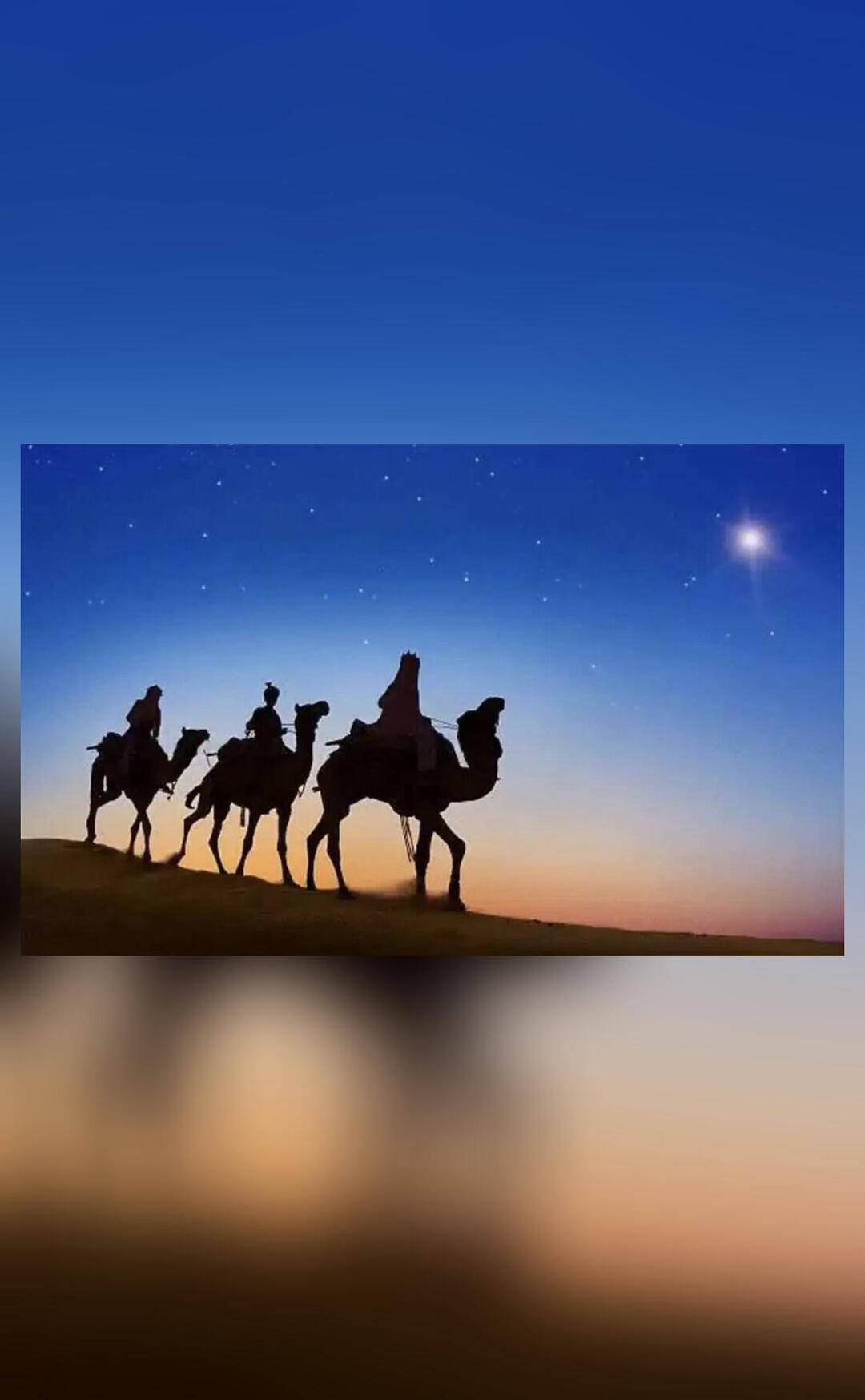
The Star of Bethlehem, also known as the Christmas Star, has been a topic of fascination and debate among astronomers, historians, and theologians for centuries. The biblical account of the Star of Bethlehem, which guided the Magi to the birthplace of Jesus, has been interpreted in various ways, with some suggesting it was a supernova, a planetary alignment, or even a comet. Recently, a NASA planetary scientist, Mark Matney, has revived the debate by suggesting that the Star of Bethlehem may have been a comet recorded by Chinese astronomers in 5 BC.
According to Matney, the comet may have been visible for over 70 days, which is a significant amount of time for a celestial object to be visible in the sky. What’s more, the comet may have passed extremely close to Earth, making it shine during the daytime, which would have been a remarkable sight for the people living at that time. Matney’s orbital analysis of the comet’s trajectory showed that it may have seemed to move and then “stand still” in the sky, which is consistent with the description of the Star of Bethlehem in the Gospel of Matthew.
The Gospel of Matthew describes the Star of Bethlehem as a celestial object that appeared in the eastern sky and guided the Magi to the birthplace of Jesus. The Star is described as moving and then standing still, which has been interpreted in various ways over the centuries. Some have suggested that the Star was a supernatural phenomenon, while others have proposed more natural explanations, such as a planetary alignment or a comet.
Matney’s suggestion that the Star of Bethlehem may have been a comet is not new, but his analysis provides new insights into the possibility. Comets are known to be highly unpredictable and can appear in the sky at any time, making them a plausible explanation for the Star of Bethlehem. Additionally, the fact that the comet may have passed close to Earth and been visible for over 70 days makes it a more convincing explanation for the biblical account.
The Chinese astronomical records from 5 BC provide further evidence for Matney’s theory. According to these records, a comet was visible in the sky for over 70 days, which is consistent with Matney’s analysis. The records also describe the comet as being extremely bright, which would have made it visible during the daytime.
While Matney’s theory is intriguing, it is not without its limitations. The orbital analysis of the comet’s trajectory is based on historical records, which may be incomplete or inaccurate. Additionally, the comet’s passage close to Earth is based on assumptions about its orbit and trajectory, which may not be entirely accurate.
Despite these limitations, Matney’s theory has sparked a renewed interest in the debate about the Star of Bethlehem. The possibility that the Star of Bethlehem may have been a comet is a fascinating one, and it highlights the complexities and mysteries of the universe. The debate about the Star of Bethlehem is a reminder that science and faith are not mutually exclusive, but rather complementary ways of understanding the world.
The search for the Star of Bethlehem is also a reminder of the importance of interdisciplinary research and collaboration. Astronomers, historians, and theologians must work together to uncover the truth about this enigmatic celestial object. By combining their knowledge and expertise, researchers can gain a deeper understanding of the Star of Bethlehem and its significance in human history.
In conclusion, the mystery of the Star of Bethlehem remains one of the most enduring and fascinating enigmas of human history. While Matney’s theory provides a plausible explanation for the biblical account, it is not without its limitations and uncertainties. Further research and analysis are needed to uncover the truth about the Star of Bethlehem, and to shed light on the complexities and mysteries of the universe.
As we continue to explore the universe and uncover its secrets, we are reminded of the awe-inspiring beauty and complexity of creation. The search for the Star of Bethlehem is a testament to human curiosity and the desire to understand the world around us. Whether or not the Star of Bethlehem was a comet, a supernova, or a planetary alignment, its significance in human history and culture is undeniable.
The debate about the Star of Bethlehem is a reminder that science and faith are not mutually exclusive, but rather complementary ways of understanding the world. By combining our knowledge and expertise, we can gain a deeper understanding of the universe and its many mysteries. As we continue to explore the universe and uncover its secrets, we are reminded of the importance of interdisciplinary research and collaboration, and the need to approach complex problems with an open mind and a willingness to learn.
About the Author