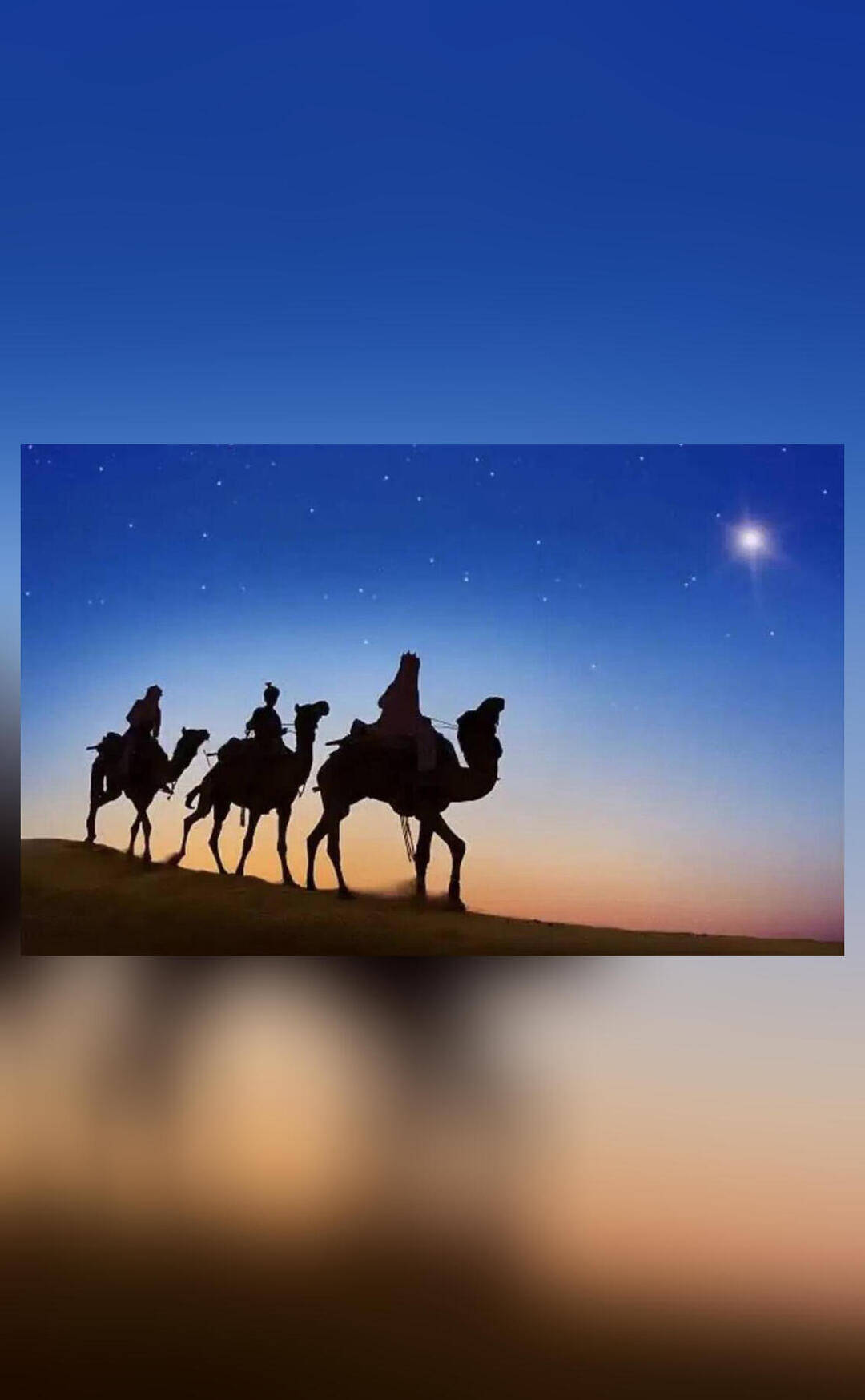
NASA Scientist Says Biblical Star of Bethlehem May Have Been Comet
The Star of Bethlehem, also known as the Christmas Star, has been a topic of fascination and debate among astronomers, historians, and theologians for centuries. The biblical account of the Star of Bethlehem is recorded in the Gospel of Matthew, where it is described as a celestial event that guided the Magi, also known as the Three Wise Men, to the birthplace of Jesus Christ. For years, scientists and scholars have attempted to explain the nature of this phenomenon, with various theories emerging over time. Recently, a NASA planetary scientist, Mark Matney, has suggested that the Star of Bethlehem may have been a comet that was recorded by Chinese astronomers in 5 BC.
According to Matney, the comet may have been visible for over 70 days, which would have made it a significant event in the ancient world. What’s more, the comet may have passed extremely close to Earth, making it shine during the daytime. This would have been a rare and remarkable sight, especially in a time when astronomical events were often seen as omens or signs from the gods. Matney’s orbital analysis of the comet’s trajectory suggests that it may have seemed to move and then “stand still” in the sky, which is consistent with the description of the Star of Bethlehem in the Gospel of Matthew.
The idea that the Star of Bethlehem was a comet is not a new one. In fact, it has been suggested by various scholars and scientists over the years. However, Matney’s research provides new insights and evidence to support this theory. By analyzing the orbital paths of comets that were known to have been visible in the ancient world, Matney was able to identify a comet that matches the description of the Star of Bethlehem. This comet, which was recorded by Chinese astronomers in 5 BC, is a strong candidate for the Star of Bethlehem.
One of the key pieces of evidence that supports Matney’s theory is the fact that the comet was visible for an extended period of time. According to the Gospel of Matthew, the Star of Bethlehem was visible to the Magi for a significant period, allowing them to follow it to the birthplace of Jesus Christ. The comet that Matney has identified was visible for over 70 days, which would have given the Magi ample time to follow it. Additionally, the comet’s close approach to Earth would have made it shine brightly during the daytime, which would have been a remarkable sight in the ancient world.
Another important aspect of Matney’s theory is the fact that the comet’s orbital path would have made it seem to move and then “stand still” in the sky. This is consistent with the description of the Star of Bethlehem in the Gospel of Matthew, where it is said to have “stopped” over the place where Jesus was born. This phenomenon can be explained by the comet’s close approach to Earth, which would have caused it to appear to move rapidly across the sky. As it reached its closest point to Earth, the comet would have appeared to slow down and then “stand still” in the sky, providing a dramatic and memorable sight for the Magi.
While Matney’s theory is intriguing and provides new insights into the nature of the Star of Bethlehem, it is not without its challenges. One of the main criticisms of the comet theory is that it does not provide a clear explanation for the Star of Bethlehem’s alleged ability to guide the Magi to the exact location of Jesus’ birth. According to the Gospel of Matthew, the Star of Bethlehem led the Magi to the town of Bethlehem, where they found Jesus and paid homage to him. However, it is unclear how a comet, which would have been visible from a wide area, could have provided such specific guidance.
Despite these challenges, Matney’s theory provides a compelling explanation for the Star of Bethlehem, one that is grounded in scientific evidence and historical records. The idea that the Star of Bethlehem was a comet that was recorded by Chinese astronomers in 5 BC is a fascinating one, and it highlights the complex and often mysterious nature of celestial events in the ancient world. As scientists and scholars continue to study the Star of Bethlehem, it is likely that new theories and explanations will emerge, providing a deeper understanding of this enigmatic phenomenon.
In conclusion, the mystery of the Star of Bethlehem remains a topic of fascination and debate, with various theories emerging over time. Mark Matney’s suggestion that the Star of Bethlehem may have been a comet recorded by Chinese astronomers in 5 BC provides a compelling explanation for this phenomenon, one that is grounded in scientific evidence and historical records. While there are still challenges to this theory, it highlights the complex and often mysterious nature of celestial events in the ancient world. As we continue to study the Star of Bethlehem, we may uncover new insights and evidence that shed light on this enigmatic phenomenon.
About the Author