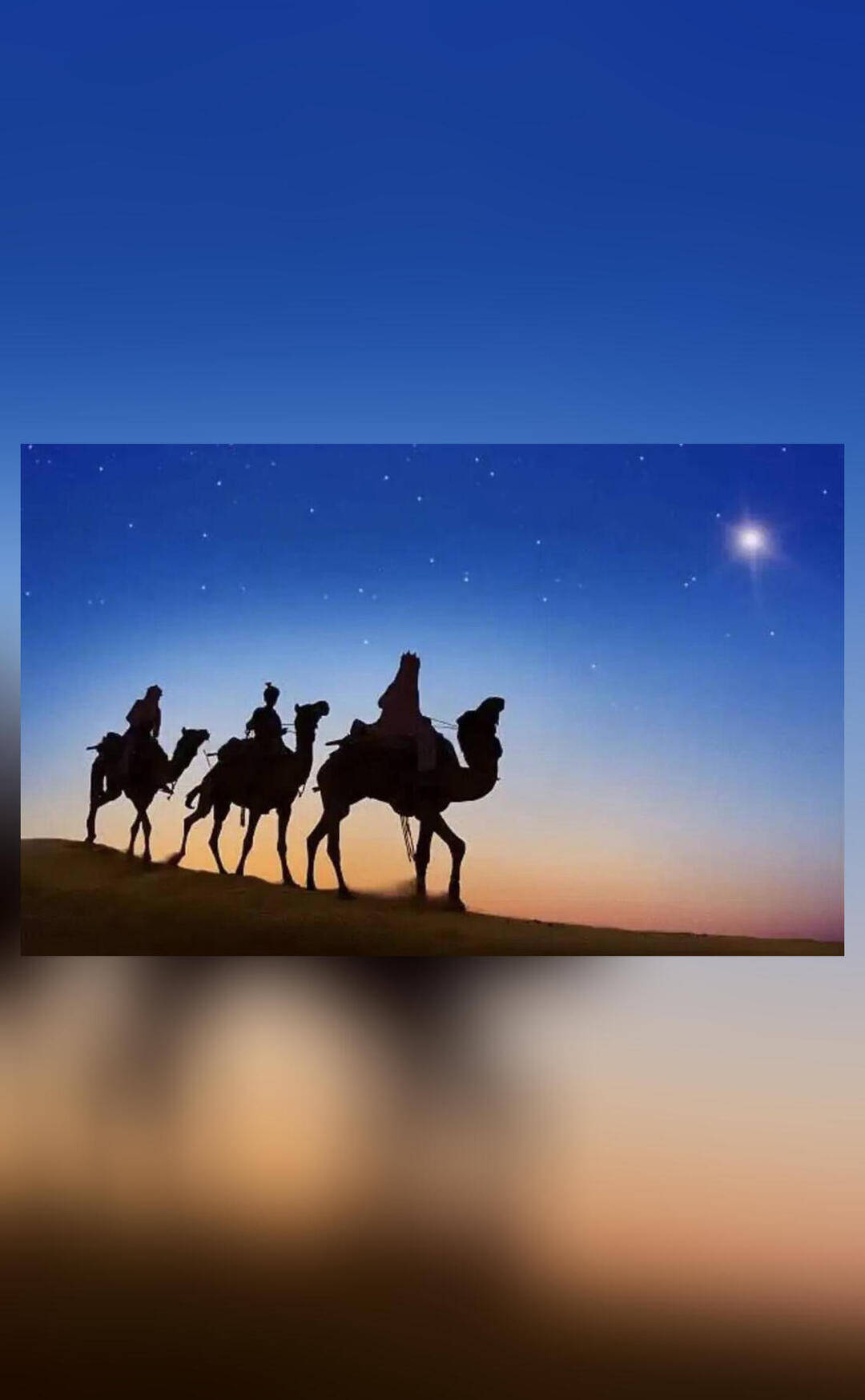
NASA scientist says biblical Star of Bethlehem may have been comet
The Star of Bethlehem, also known as the Christmas Star, has been a topic of fascination and debate for centuries. The biblical account of the Star of Bethlehem is found in the Gospel of Matthew, which describes a bright star that guided the Magi, also known as the Three Wise Men, to the birthplace of Jesus Christ. For years, astronomers and scientists have tried to explain the nature of this star, with various theories ranging from a supernova to a planetary alignment. Now, a NASA planetary scientist, Mark Matney, has suggested that the biblical Star of Bethlehem may have been a comet recorded by Chinese astronomers in 5 BC.
According to Matney, the comet may have been visible for over 70 days, which is a significant amount of time for a celestial object to be visible in the sky. What’s even more intriguing is that the comet may have passed extremely close to Earth, making it shine during the daytime. This would have been a remarkable sight, even for ancient astronomers who were accustomed to observing the night sky.
Matney’s theory is based on his orbital analysis of the comet, which showed that it may have seemed to move and then “stand still” in the sky, much like the description found in the Gospel of Matthew. The Bible describes the Star of Bethlehem as a star that “stood over” the place where Jesus was born, which has led some to interpret it as a stationary object in the sky. Matney’s analysis suggests that the comet may have appeared to be stationary due to its close proximity to Earth and its slow movement across the sky.
The idea that the Star of Bethlehem was a comet is not new, but Matney’s research provides new insights into the possibility. Comets are known to be unpredictable and can appear and disappear suddenly, which may explain why the Star of Bethlehem was only visible for a short period of time. Additionally, comets can be extremely bright, which would have made them visible during the daytime, even in the presence of the sun.
The Chinese astronomers’ records of the comet in 5 BC provide a significant piece of evidence to support Matney’s theory. The records describe a comet that was visible for over 70 days, which is consistent with the biblical account of the Star of Bethlehem. While the Chinese records do not provide a specific date or location for the comet, they do provide a rough estimate of the time period during which it was visible.
The debate over the nature of the Star of Bethlehem has been ongoing for centuries, with various theories and explanations being proposed over the years. Some have suggested that the Star of Bethlehem was a supernova, while others have proposed that it was a planetary alignment. However, Matney’s theory provides a new and intriguing explanation for the phenomenon, one that is based on scientific evidence and analysis.
Matney’s research highlights the importance of interdisciplinary approaches to understanding historical events. By combining astronomy, history, and biblical studies, researchers can gain new insights into the past and shed new light on mysterious events like the Star of Bethlehem. The study of the Star of Bethlehem is a prime example of how science and faith can intersect and inform each other, providing a deeper understanding of the world and our place in it.
In conclusion, the mystery of the Star of Bethlehem may have been solved, thanks to the research of NASA planetary scientist Mark Matney. The suggestion that the biblical Star of Bethlehem may have been a comet recorded by Chinese astronomers in 5 BC provides a new and intriguing explanation for the phenomenon. While the debate over the nature of the Star of Bethlehem is likely to continue, Matney’s theory provides a significant contribution to our understanding of this ancient and fascinating event.
About the Author