China & US like square & circle, that’s why we turned to India but it’s hard nut to crack: US
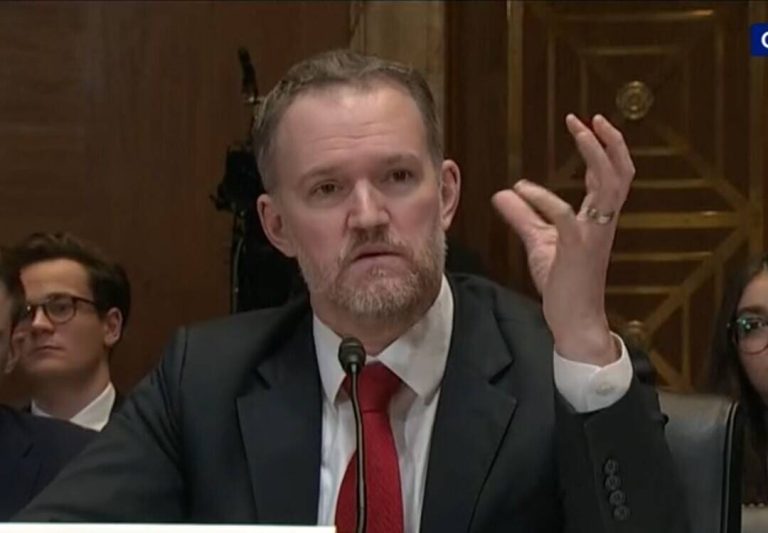
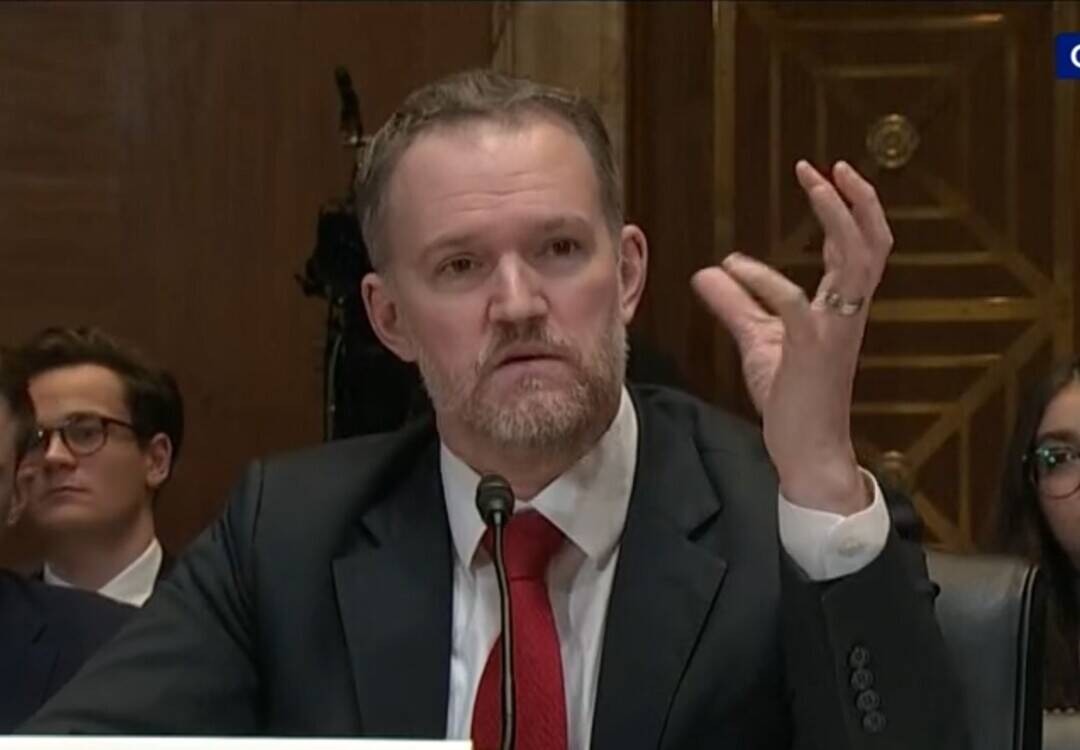
The United States and China have been embroiled in a trade war for several years, with both countries imposing tariffs on each other’s goods. The tensions between the two nations have been escalating, with no clear end in sight. Recently, US Trade Representative Jamieson Greer shed some light on the complexities of the US-China trade relationship, stating that the two economies are like a square and a circle, which don’t sit together. This analogy highlights the fundamental differences between the two nations’ economic systems, making it challenging to find common ground.
According to Greer, the US has been exploring alternative markets for its crop exports, with India being a key target. The US has been seeking to diversify its trade relationships, and a bilateral trade agreement with India is seen as a crucial step in this direction. However, Greer also noted that India is a tough nut to crack, particularly when it comes to row crops. The Indian government has been resistant to opening up its market to US agricultural products, citing concerns about the impact on domestic farmers.
The US has been pushing for greater access to the Indian market, particularly for products such as soybeans, corn, and wheat. However, India has been hesitant to reciprocate, citing concerns about the potential impact on its own agricultural sector. The Indian government has been keen to protect its domestic farmers, who are a significant vote bank in the country. As a result, the US has been finding it challenging to make inroads into the Indian market, despite the potential for significant trade benefits.
Greer’s comments highlight the complexities of the US-India trade relationship, which has been marked by several rounds of negotiations over the years. While both countries have expressed a desire to deepen their trade ties, significant differences remain. The US has been pushing for greater market access, particularly in areas such as agriculture and pharmaceuticals. However, India has been resistant to opening up its market, citing concerns about the potential impact on its domestic industries.
The US-India trade relationship is not just about economics; it also has significant geopolitical implications. The US has been seeking to strengthen its ties with India, which is seen as a key partner in the region. The two countries have been cooperating on a range of issues, including defense, counter-terrorism, and energy security. However, the trade relationship remains a significant area of tension, with both countries seeking to protect their domestic interests.
The US-China trade war has also had a significant impact on the global economy, with several countries seeking to diversify their trade relationships. The US has been pushing for greater trade ties with countries such as India, Japan, and the EU, in an effort to reduce its dependence on China. However, this has not been easy, with several countries seeking to protect their domestic industries.
In the case of India, the government has been keen to promote its own agricultural sector, which is a significant contributor to the country’s economy. The Indian government has been providing support to domestic farmers, including subsidies and other forms of assistance. As a result, the US has been finding it challenging to make inroads into the Indian market, despite the potential for significant trade benefits.
The US-India trade relationship is likely to remain a significant area of focus in the coming months, with both countries seeking to deepen their trade ties. However, significant differences remain, and it will be challenging to find common ground. The US will need to be patient and persistent in its efforts to negotiate a bilateral trade agreement with India, which will require significant concessions from both sides.
In conclusion, the US-China trade relationship is complex and challenging, with fundamental differences between the two nations’ economic systems. The US has been seeking to diversify its trade relationships, with India being a key target. However, the Indian market is a hard nut to crack, particularly when it comes to row crops. The US will need to be patient and persistent in its efforts to negotiate a bilateral trade agreement with India, which will require significant concessions from both sides.
News Source: https://x.com/Sputnik_India/status/1998714309367521298
About the Author