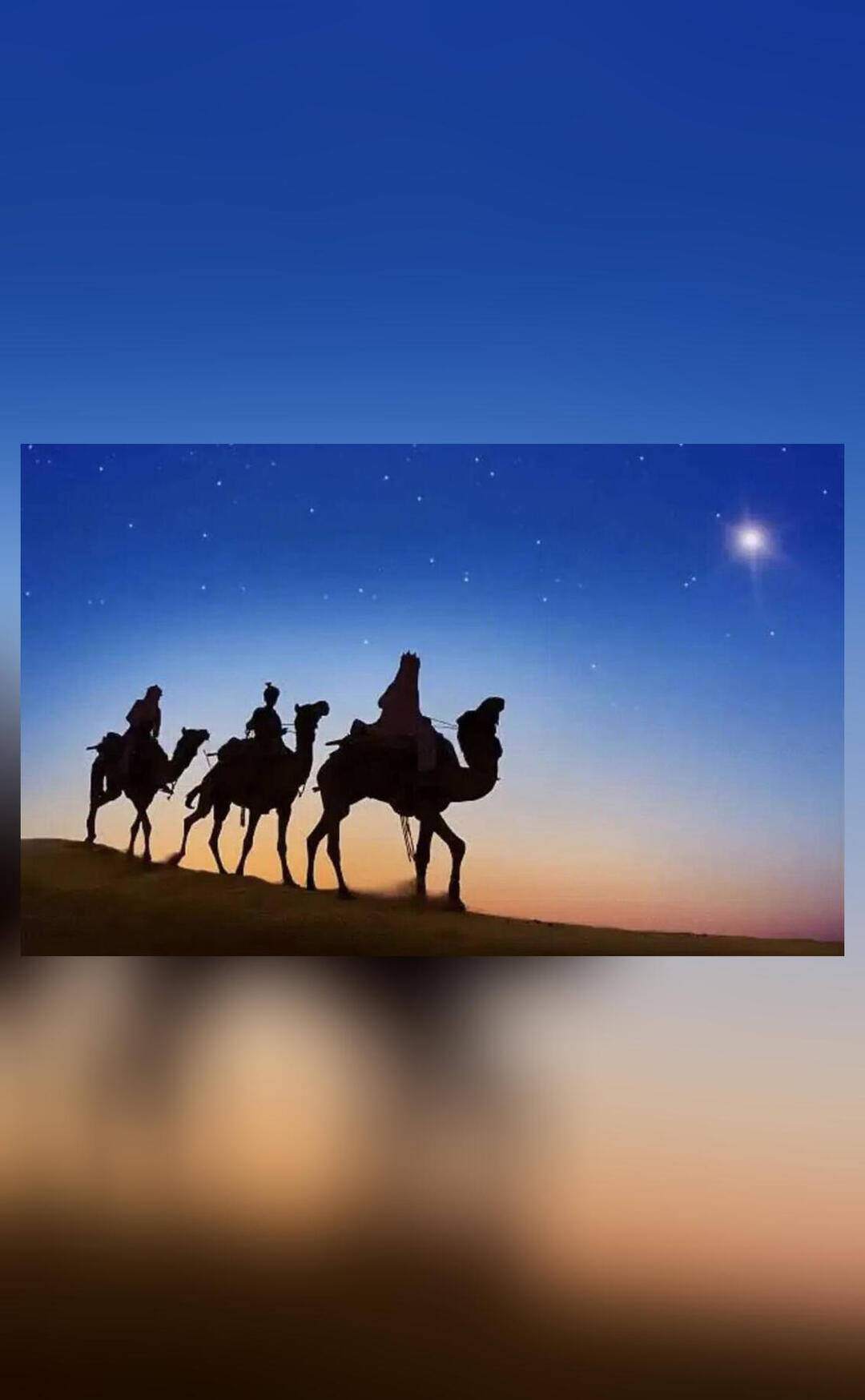
NASA Scientist Says Biblical Star of Bethlehem May Have Been Comet
The Star of Bethlehem, also known as the Christmas Star, has been a topic of debate and speculation for centuries. The biblical account of the star that guided the Magi to the birthplace of Jesus has been interpreted in many ways, with some believing it to be a miraculous event and others seeking a scientific explanation. Recently, a NASA planetary scientist has thrown new light on the mystery, suggesting that the Star of Bethlehem may have been a comet recorded by Chinese astronomers in 5 BC.
Mark Matney, a NASA planetary scientist, has proposed that the Star of Bethlehem may have been a comet that was visible for over 70 days, making it a significant celestial event. According to Matney, the comet may have passed extremely close to Earth, which would have made it shine brightly during the daytime. This theory is based on historical records of a comet sighting by Chinese astronomers in 5 BC, which is around the time of Jesus’ birth.
Matney’s orbital analysis of the comet’s path suggests that it may have seemed to move and then “stand still” in the sky, which is consistent with the description of the Star of Bethlehem in the Gospel of Matthew. The Gospel account describes the star as moving and then stopping over the place where Jesus was born, guiding the Magi to the exact location. Matney’s theory provides a possible scientific explanation for this phenomenon, which has been interpreted as a miracle by many Christians.
The idea that the Star of Bethlehem may have been a comet is not new, but Matney’s research provides new evidence and insights into the possibility. Comets are known to be unpredictable and can appear unexpectedly, making them a possible explanation for the sudden appearance of a bright star in the sky. Additionally, comets can be visible for extended periods, which would have allowed the Magi to follow the star to its destination.
Matney’s theory is based on the orbital analysis of the comet’s path, which suggests that it may have passed close to Earth, making it visible during the daytime. The comet’s proximity to Earth would have also made it appear to move slowly across the sky, which would have allowed the Magi to follow it to its destination. The fact that the comet was visible for over 70 days would have given the Magi ample time to follow the star to the birthplace of Jesus.
The Chinese astronomical records of the comet sighting in 5 BC provide significant evidence for Matney’s theory. The records describe a comet that was visible for over 70 days, which is consistent with the description of the Star of Bethlehem in the Gospel of Matthew. The records also provide details of the comet’s path across the sky, which Matney has used to reconstruct the comet’s orbit.
While Matney’s theory provides a possible scientific explanation for the Star of Bethlehem, it is not without its challenges and controversies. Some scholars have questioned the accuracy of the Chinese astronomical records, while others have argued that the comet theory does not fully explain the biblical account of the star. Additionally, the theory raises questions about the nature of the star and its significance in the biblical narrative.
Despite these challenges and controversies, Matney’s theory provides a fascinating insight into the possible scientific explanation for the Star of Bethlehem. The idea that a comet may have been the inspiration for the biblical account of the star is a compelling one, and it highlights the complex and often mysterious relationship between science and faith.
In conclusion, the mystery of the Star of Bethlehem remains a topic of debate and speculation, with many theories and explanations being proposed over the centuries. Matney’s theory that the Star of Bethlehem may have been a comet provides a possible scientific explanation for the phenomenon, and it highlights the importance of interdisciplinary research and collaboration in understanding the complexities of human history and culture.
About the Author