How does a stage-gate model cut product-launch failures?
The process of launching a new product is a complex and challenging one, requiring significant investment of time, money, and resources. However, despite the best efforts of product development teams, many new product launches fail to meet expectations, resulting in significant financial losses and damage to a company’s reputation. One way to mitigate this risk is by using a stage-gate model, a structured approach to product development that helps to identify and eliminate weak ideas early on, ensuring that only the most promising concepts make it to market.
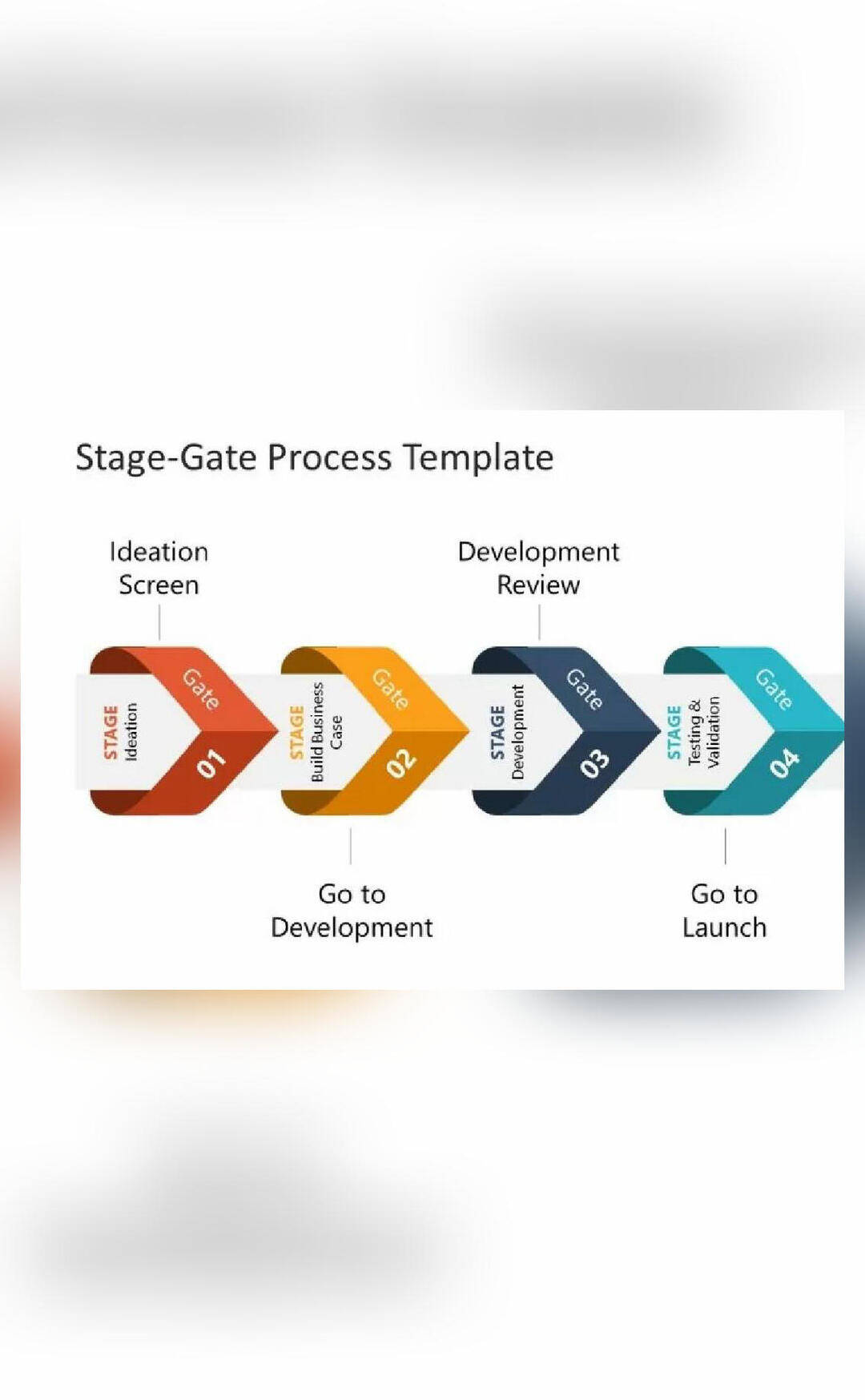
The stage-gate model divides the product development process into a series of structured phases, each with a specific set of activities and deliverables. These phases include:
- Idea: This is the initial phase, where ideas for new products or services are generated and documented. During this phase, teams brainstorm and come up with potential solutions to customer problems or market opportunities.
- Scoping: In this phase, the idea is further developed and refined, with teams conducting preliminary market research and analyzing the competition to determine the viability of the concept.
- Feasibility: This phase involves a more detailed analysis of the idea, including technical feasibility, market demand, and financial viability. Teams will also begin to develop a business case for the product, including estimates of costs, revenue, and return on investment.
- Development: If the idea passes the feasibility phase, the next step is to develop a prototype or minimum viable product (MVP). This phase involves significant investment of resources, including engineering, design, and testing.
- Validation: In this phase, the product is tested with a small group of customers to validate its performance, usability, and market demand. This phase helps to identify any major issues or flaws in the product before it is launched to the wider market.
- Launch: The final phase is the launch of the product, where it is made available to the general public. This phase involves significant marketing and sales efforts, as well as ongoing support and maintenance.
Each of these phases is followed by a go/no-go review, where the team evaluates the progress of the project and decides whether to proceed to the next phase or cancel the project. This approach helps to prevent teams from over-investing in weak ideas and forces early market checks, risk analysis, and resource alignment.
The stage-gate model has several benefits, including:
- De-risking launches: By identifying and eliminating weak ideas early on, companies can reduce the risk of launching a product that fails to meet customer needs or market expectations.
- Speeding up execution: The stage-gate model helps to focus resources on the most promising ideas, allowing companies to bring products to market faster and more efficiently.
- Ensuring validated concepts: The validation phase ensures that only concepts that have been tested and proven with customers make it to market, reducing the risk of launch failures.
In addition to these benefits, the stage-gate model also helps to ensure that companies are aligned with their overall business strategy and goals. By evaluating each project against a set of predefined criteria, companies can ensure that their product development efforts are focused on the most important and strategic initiatives.
To implement a stage-gate model, companies should start by defining the specific phases and gates that will be used, as well as the criteria for evaluating each project. This may involve establishing a cross-functional team to oversee the process and ensure that all stakeholders are aligned. Companies should also establish clear goals and metrics for each phase, as well as a process for tracking and measuring progress.
In conclusion, the stage-gate model is a powerful tool for reducing product-launch failures and ensuring that only the most promising concepts make it to market. By dividing the product development process into structured phases, each with a specific set of activities and deliverables, companies can de-risk launches, speed up execution, and ensure that their product development efforts are focused on the most important and strategic initiatives.
For more information on how to implement a stage-gate model and reduce product-launch failures, please visit: https://www.growthjockey.com/blogs/stage-gate-model
News Source: https://www.growthjockey.com/blogs/stage-gate-model
About the Author