How does a stage-gate model cut product-launch failures?
In today’s fast-paced and competitive business landscape, launching a new product is a high-stakes endeavor. The success of a product launch can make or break a company, and the failure of a launch can result in significant financial losses and damage to a company’s reputation. According to a study by the Harvard Business Review, up to 80% of new products fail to meet their expected sales targets, and a significant proportion of these failures can be attributed to poor product development and launch processes.
One approach that has gained popularity in recent years as a way to de-risk product launches is the stage-gate model. This model divides the product development process into a series of structured phases, each with a clear set of objectives, timelines, and go/no-go criteria. In this blog post, we will explore how the stage-gate model can help organizations cut product-launch failures and ensure that only validated concepts reach the market.
What is the stage-gate model?
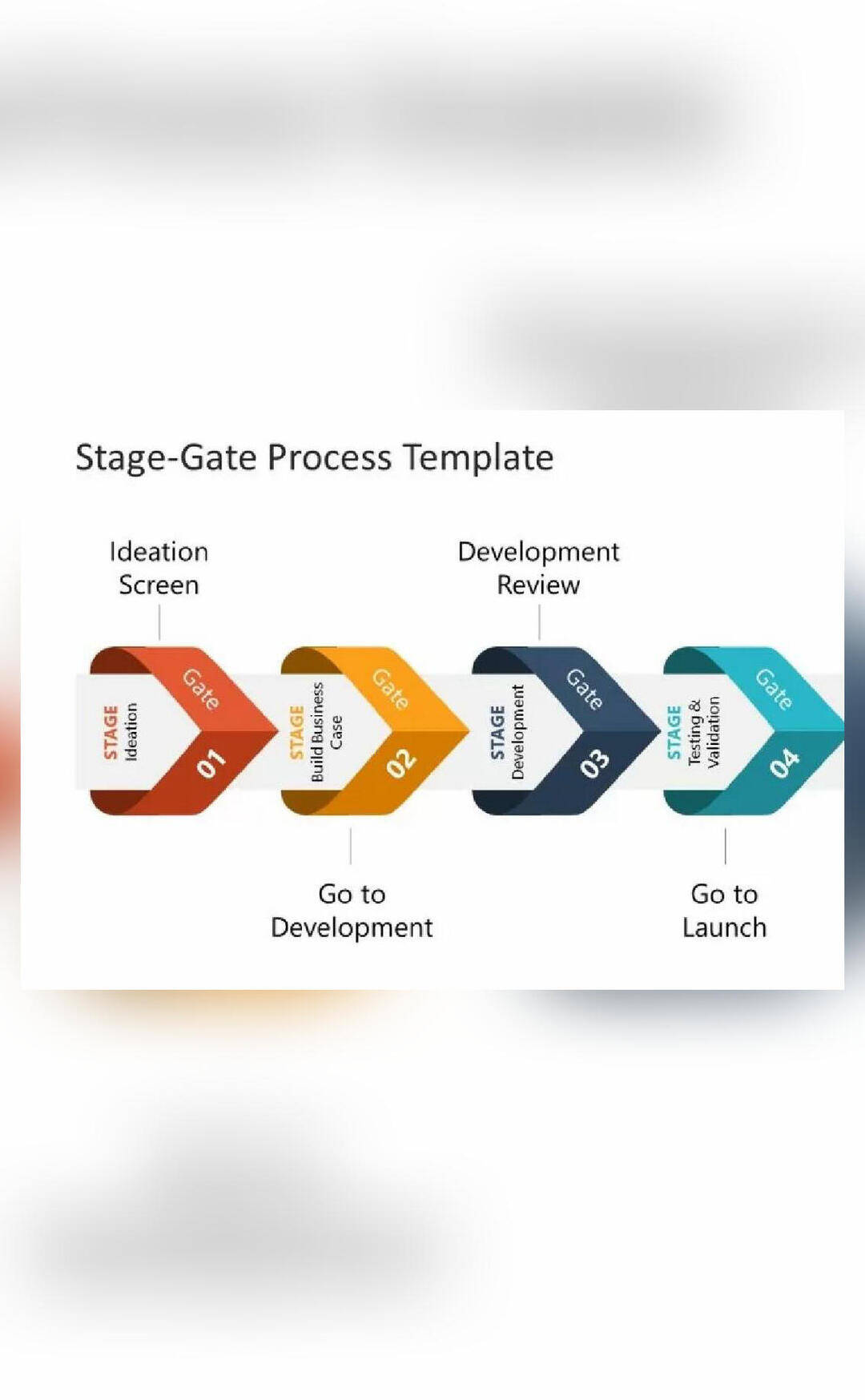
The stage-gate model is a product development process that consists of a series of stages, each with a specific set of activities and deliverables. The stages are typically as follows:
- Idea: This stage involves generating and evaluating new product ideas. The goal is to identify ideas that have the potential to meet customer needs and drive business growth.
- Scoping: In this stage, the product idea is refined and defined in more detail. The goal is to develop a clear understanding of the product’s features, benefits, and target market.
- Feasibility: This stage involves evaluating the technical and financial feasibility of the product. The goal is to determine whether the product can be developed and launched within the available resources and budget.
- Development: In this stage, the product is designed, developed, and tested. The goal is to create a product that meets customer needs and is ready for launch.
- Validation: This stage involves testing the product with a small group of customers to validate its features and benefits. The goal is to ensure that the product meets customer needs and is ready for full-scale launch.
- Launch: In this final stage, the product is launched to the market. The goal is to execute a successful launch and drive business growth.
Each stage has a go/no-go review, which is a critical evaluation of the product’s progress and potential for success. The go/no-go review involves assessing the product’s feasibility, market potential, and alignment with business objectives. If the product passes the review, it proceeds to the next stage. If it fails, it is either terminated or revised and resubmitted for review.
How does the stage-gate model cut product-launch failures?
The stage-gate model cuts product-launch failures in several ways:
- Prevents over-investment in weak ideas: The stage-gate model prevents teams from over-investing in weak ideas by evaluating them at each stage and terminating them if they do not meet the go/no-go criteria. This ensures that only the strongest ideas proceed to the next stage.
- Forces early market checks: The stage-gate model forces teams to conduct early market checks and validate customer needs and preferences. This ensures that the product is developed with the customer in mind and meets their needs.
- Encourages risk analysis and mitigation: The stage-gate model encourages teams to identify and mitigate risks at each stage. This ensures that potential risks are addressed early on, reducing the likelihood of launch failures.
- Ensures resource alignment: The stage-gate model ensures that resources are aligned with business objectives and priorities. This ensures that the product is developed with the necessary resources and budget.
- De-risks launches: The stage-gate model de-risks launches by evaluating the product’s potential for success at each stage. This ensures that only validated concepts reach the market, reducing the likelihood of launch failures.
Benefits of the stage-gate model
The stage-gate model offers several benefits, including:
- Improved product success rates: The stage-gate model improves product success rates by evaluating and refining the product at each stage.
- Reduced development costs: The stage-gate model reduces development costs by terminating weak ideas early on and ensuring that resources are aligned with business objectives.
- Faster time-to-market: The stage-gate model enables faster time-to-market by streamlining the product development process and ensuring that only validated concepts reach the market.
- Increased customer satisfaction: The stage-gate model increases customer satisfaction by developing products that meet customer needs and preferences.
Conclusion
In conclusion, the stage-gate model is a powerful tool for cutting product-launch failures. By dividing the product development process into structured phases, each with a clear set of objectives, timelines, and go/no-go criteria, organizations can de-risk launches, speed up execution, and ensure that only validated concepts reach the market. The stage-gate model offers several benefits, including improved product success rates, reduced development costs, faster time-to-market, and increased customer satisfaction. By adopting the stage-gate model, organizations can improve their product development processes and increase their chances of success in the market.
News source: https://www.growthjockey.com/blogs/stage-gate-model
About the Author