No link between air pollution & deaths: Govt
The Indian government has made a startling claim, stating that there is no conclusive data to establish a direct link between air pollution and deaths in the country. This statement was made by Minister of State for Health, Prataprao Jadhav, in the Rajya Sabha on Tuesday. According to Jadhav, the health effects of air pollution are a complex interplay of various factors, including food habits, occupational habits, socioeconomic status, medical history, immunity, and heredity.
The minister’s statement has sparked a heated debate, with many environmentalists and health experts expressing their disagreement with the government’s stance. They argue that the link between air pollution and deaths is well-established and that the government’s claim is an attempt to downplay the severity of the issue. However, Jadhav maintained that the government’s position is based on a thorough analysis of available data and that there is no conclusive evidence to prove a direct causal link between air pollution and deaths.
It is true that air pollution is a complex issue, and its effects on human health are multifaceted. The World Health Organization (WHO) has identified air pollution as one of the top ten threats to global health, and it is estimated that approximately seven million people die prematurely every year due to air pollution. However, the government’s claim that there is no direct link between air pollution and deaths in India is a controversial one.
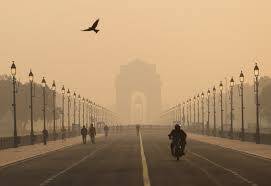
In recent years, India has struggled with severe air pollution, particularly in the northern regions of the country. The capital city, Delhi, has been ranked as one of the most polluted cities in the world, with air quality indices often exceeding safe limits. The situation is so severe that the government has been forced to implement emergency measures, such as odd-even traffic restrictions and closure of schools, to mitigate the effects of air pollution.
Despite these efforts, the government’s claim that there is no direct link between air pollution and deaths has raised eyebrows. Many experts argue that the government is ignoring the overwhelming evidence that air pollution is a major public health concern. They point to studies that have shown a clear correlation between air pollution and increased mortality rates, particularly in urban areas.
One of the main challenges in establishing a direct link between air pollution and deaths is the lack of reliable data. In India, the quality of air pollution data is often poor, and there is a lack of standardized protocols for collecting and analyzing data. This makes it difficult to draw conclusive links between air pollution and health outcomes.
However, despite these challenges, there is a growing body of evidence that suggests air pollution is a major public health concern in India. Studies have shown that exposure to poor air quality can lead to a range of health problems, including respiratory diseases, cardiovascular disease, and even cancer. The government’s claim that there is no direct link between air pollution and deaths ignores the fact that air pollution is a major risk factor for many of these diseases.
The government’s statement has also been criticized for being overly simplistic. Air pollution is a complex issue, and its effects on human health are influenced by a range of factors, including socioeconomic status, access to healthcare, and individual behavior. While it is true that factors such as food habits and occupational habits can contribute to health outcomes, it is misleading to suggest that these factors are more important than air pollution.
In conclusion, the government’s claim that there is no direct link between air pollution and deaths in India is a controversial one. While it is true that the relationship between air pollution and health outcomes is complex, the overwhelming evidence suggests that air pollution is a major public health concern. The government’s statement ignores the fact that air pollution is a major risk factor for many diseases and that it is a significant contributor to premature mortality.
As the government continues to grapple with the issue of air pollution, it is essential that they take a more nuanced approach to addressing the problem. This includes investing in better data collection and analysis, implementing effective policies to reduce air pollution, and educating the public about the risks associated with poor air quality. Only by taking a comprehensive approach to addressing air pollution can we hope to mitigate its effects and improve public health outcomes.
Source: https://x.com/PTI_News/status/1998360503333355572
About the Author