How does a stage-gate model cut product-launch failures?
The stage-gate model is a widely used framework in product development that helps organizations to systematically guide their projects from idea generation to launch. By dividing the development process into structured phases, each with a go/no-go review, teams can ensure that only validated concepts reach the market, thereby reducing the risk of product-launch failures. In this blog post, we will delve into the details of the stage-gate model and explore how it can help organizations de-risk their launches, speed up execution, and prevent over-investment in weak ideas.
The Stage-Gate Model: An Overview
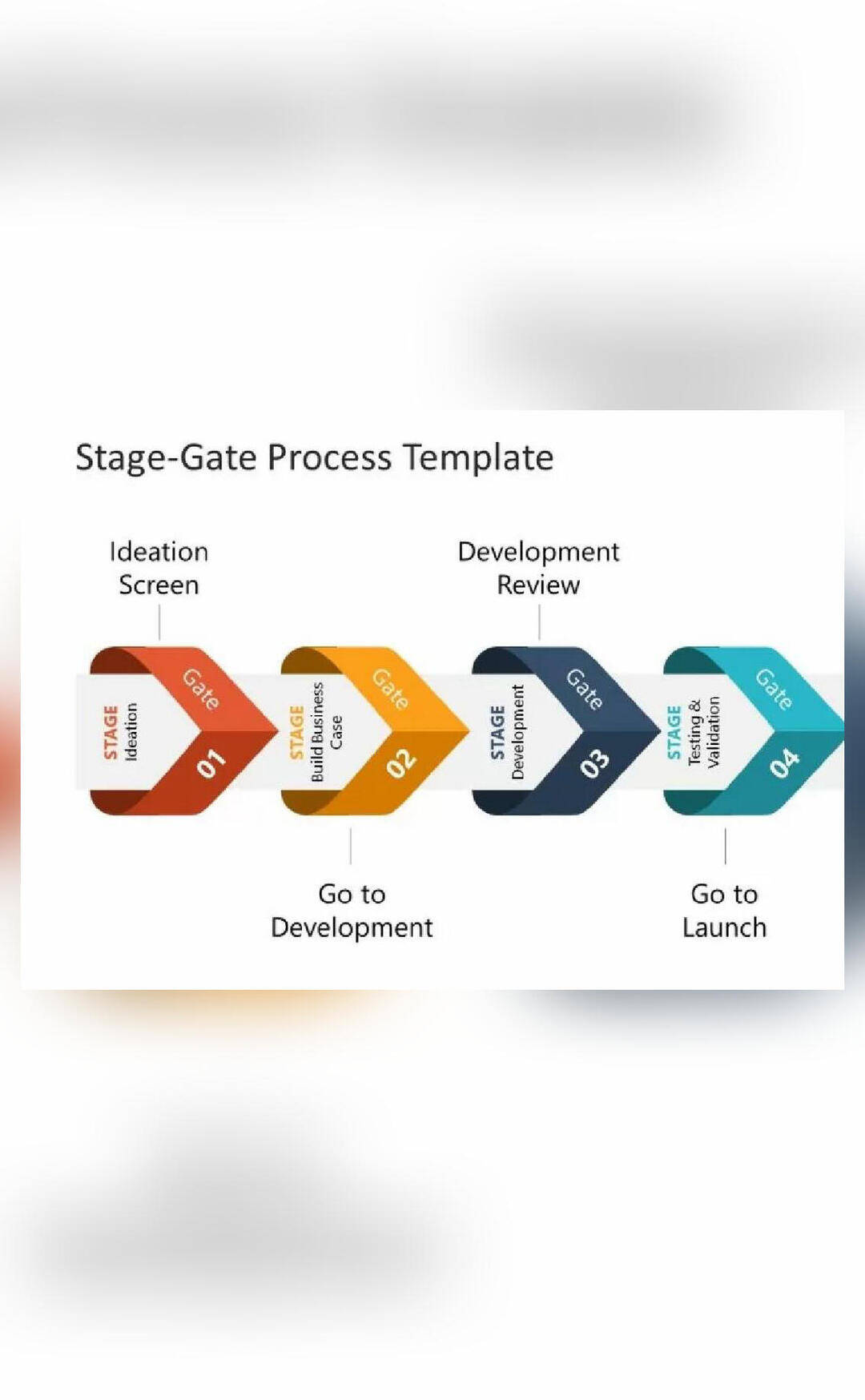
The stage-gate model consists of five distinct phases: idea, scoping, feasibility, development, validation, and launch. Each phase is designed to assess the viability of a project and determine whether it should proceed to the next stage. The model is characterized by a series of gates, which are decision points that separate each phase. At each gate, the project is reviewed, and a go/no-go decision is made based on predefined criteria.
- Idea Phase: This is the initial stage where ideas are generated, and preliminary research is conducted to assess their potential. The goal is to identify opportunities and define the project’s scope.
- Scoping Phase: In this phase, the project’s objectives, deliverables, and timelines are defined. A preliminary business case is developed, and the project’s feasibility is assessed.
- Feasibility Phase: This phase involves a detailed analysis of the project’s technical, financial, and operational feasibility. The goal is to determine whether the project is viable and aligned with the organization’s strategic objectives.
- Development Phase: If the project is deemed feasible, it proceeds to the development phase, where the product or service is designed, developed, and tested.
- Validation Phase: In this phase, the product or service is validated with customers, and feedback is gathered to refine the offering.
- Launch Phase: The final phase involves launching the product or service, which includes marketing, sales, and distribution.
How the Stage-Gate Model Cuts Product-Launch Failures
The stage-gate model prevents teams from over-investing in weak ideas by forcing early market checks, risk analysis, and resource alignment. Here are some ways the model cuts product-launch failures:
- Early Market Checks: The stage-gate model ensures that market feedback is gathered early in the development process, reducing the risk of launching a product or service that does not meet customer needs.
- Risk Analysis: The model requires a thorough risk analysis at each gate, which helps to identify potential roadblocks and develop mitigation strategies.
- Resource Alignment: The stage-gate model ensures that resources are allocated efficiently, reducing waste and minimizing the risk of over-investment in projects that are unlikely to succeed.
- Go/No-Go Decisions: The model’s go/no-go decisions at each gate prevent projects from proceeding to the next phase if they are not viable, reducing the risk of launching a failed product or service.
Benefits of the Stage-Gate Model
The stage-gate model offers several benefits to organizations, including:
- Reduced Risk: By assessing the viability of projects at each gate, the stage-gate model reduces the risk of launching a failed product or service.
- Improved Efficiency: The model ensures that resources are allocated efficiently, reducing waste and minimizing the risk of over-investment in weak ideas.
- Faster Execution: The stage-gate model enables organizations to speed up execution by focusing on projects that have a high likelihood of success.
- Increased Success Rates: By ensuring that only validated concepts reach the market, the stage-gate model increases the success rates of product launches.
Conclusion
The stage-gate model is a powerful framework for guiding product development from idea generation to launch. By dividing the development process into structured phases, each with a go/no-go review, organizations can de-risk their launches, speed up execution, and prevent over-investment in weak ideas. The model’s emphasis on early market checks, risk analysis, and resource alignment ensures that only validated concepts reach the market, reducing the risk of product-launch failures. Whether you are a startup or an established organization, the stage-gate model is an essential tool for ensuring the success of your product launches.
News Source: https://www.growthjockey.com/blogs/stage-gate-model
About the Author