No link between air pollution & deaths: Govt
The Indian government has made a statement that has sparked controversy and debate among environmentalists and health experts. On Tuesday, Minister of State for Health, Prataprao Jadhav, told the Rajya Sabha that there was no conclusive data in India to establish a direct link between deaths exclusively with air pollution. This statement has raised eyebrows, as it seems to downplay the severity of the air pollution crisis in the country.
According to Jadhav, “The health effects of air pollution are a synergistic manifestation of factors, which include food habits, occupational habits, socioeconomic status, medical history, immunity, heredity, etc.” This implies that the government believes that air pollution is just one of many factors that contribute to health problems, and that it is not the sole cause of deaths. While this may be true to some extent, it is difficult to ignore the overwhelming evidence that suggests a strong link between air pollution and mortality.
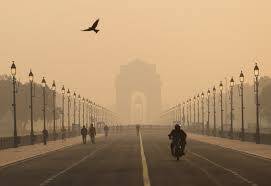
Air pollution is a major public health concern in India, with the country being home to some of the most polluted cities in the world. The air quality in cities like Delhi, Mumbai, and Kolkata is often hazardous, with high levels of particulate matter, nitrogen dioxide, and other pollutants. These pollutants can cause a range of health problems, including respiratory diseases, cardiovascular disease, and even cancer.
Despite the government’s claims, there is a wealth of evidence that suggests a direct link between air pollution and deaths. Studies have shown that exposure to poor air quality can reduce life expectancy, increase the risk of premature death, and exacerbate existing health conditions. The World Health Organization (WHO) estimates that air pollution is responsible for around 7 million premature deaths worldwide each year, with a significant proportion of these deaths occurring in India.
So, why is the government downplaying the link between air pollution and deaths? One possible reason is that the government is trying to shift the focus away from the need for urgent action to reduce air pollution. By suggesting that air pollution is just one of many factors that contribute to health problems, the government may be trying to avoid taking responsibility for the crisis. This could be a result of pressure from industries that are major polluters, or a lack of political will to take on the tough task of reducing air pollution.
However, this approach is misguided and potentially dangerous. By downplaying the link between air pollution and deaths, the government is putting the lives of millions of Indians at risk. Air pollution is a serious public health crisis that requires immediate attention and action. The government needs to take a proactive approach to reducing air pollution, by implementing policies and regulations that limit emissions from industries, vehicles, and other sources.
This could include measures such as increasing the use of renewable energy, improving fuel efficiency standards for vehicles, and implementing stricter emissions controls on industries. The government could also invest in public education campaigns to raise awareness about the risks of air pollution and the importance of taking action to reduce exposure.
In addition, the government needs to take a more nuanced approach to understanding the health effects of air pollution. While it is true that air pollution is just one of many factors that contribute to health problems, it is also a major risk factor that can have devastating consequences. By acknowledging the complexity of the issue and taking a comprehensive approach to addressing it, the government can help to reduce the burden of air pollution on public health.
In conclusion, the government’s statement that there is no link between air pollution and deaths is misleading and potentially dangerous. The evidence is clear: air pollution is a major public health crisis that requires urgent attention and action. The government needs to take a proactive approach to reducing air pollution, by implementing policies and regulations that limit emissions and protect public health. By doing so, the government can help to save lives and ensure a healthier, more sustainable future for all Indians.
Source: https://x.com/PTI_News/status/1998360503333355572
About the Author