2025 set to be the 2nd or 3rd-hottest year ever: Scientists
The world is on track to experience its second or third-warmest year on record in 2025, according to the European Union’s Copernicus Climate Change Service (C3S). This prediction comes on the heels of 2024, which is currently ranked as the hottest year ever recorded. The C3S has been monitoring global temperatures and has concluded that 2025 will likely be one of the top three warmest years ever, with the average global temperature exceeding 1.5 degrees Celsius above the 1850-1900 pre-industrial period.
This milestone marks a significant turning point in the Earth’s climate history, as it will be the first time that a three-year period has seen average global temperatures exceed the 1.5-degree threshold. This indicates an accelerating rate of climate change, with far-reaching consequences for the environment, ecosystems, and human societies.
The Copernicus Climate Change Service is a reputable and reliable source of climate data, providing regular updates on global temperatures, sea ice coverage, and other climate-related metrics. Their predictions are based on sophisticated computer models that take into account a wide range of factors, including atmospheric conditions, ocean currents, and land use changes.
The news that 2025 is set to be the second or third-warmest year on record is a stark reminder of the urgent need for climate action. The Paris Agreement, signed in 2015, aims to limit global warming to well below 2 degrees Celsius above pre-industrial levels and pursue efforts to limit it to 1.5 degrees Celsius. However, the current rate of progress is insufficient to meet these targets, and more drastic measures are needed to reduce greenhouse gas emissions and mitigate the effects of climate change.
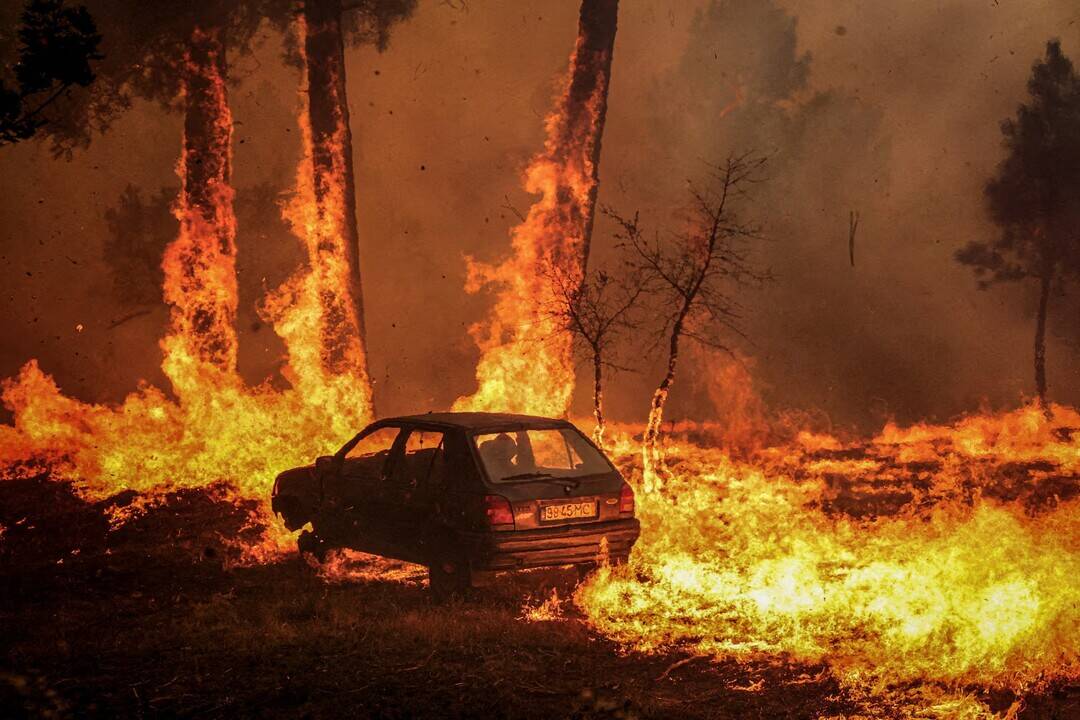
One of the most significant consequences of rising global temperatures is the increase in extreme weather events. Heatwaves, droughts, and heavy rainfall events are becoming more frequent and intense, causing devastating impacts on communities and ecosystems. The economic costs of these events are also substantial, with estimates suggesting that climate-related disasters have caused trillions of dollars in damages in recent years.
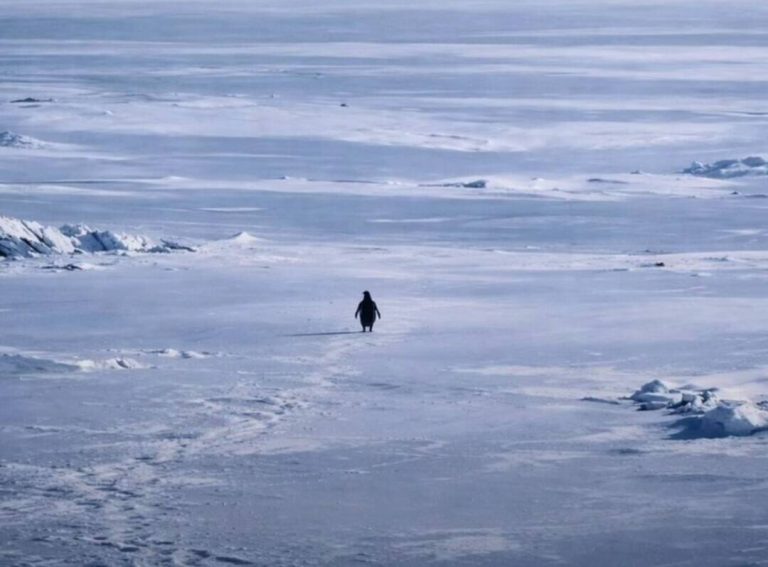
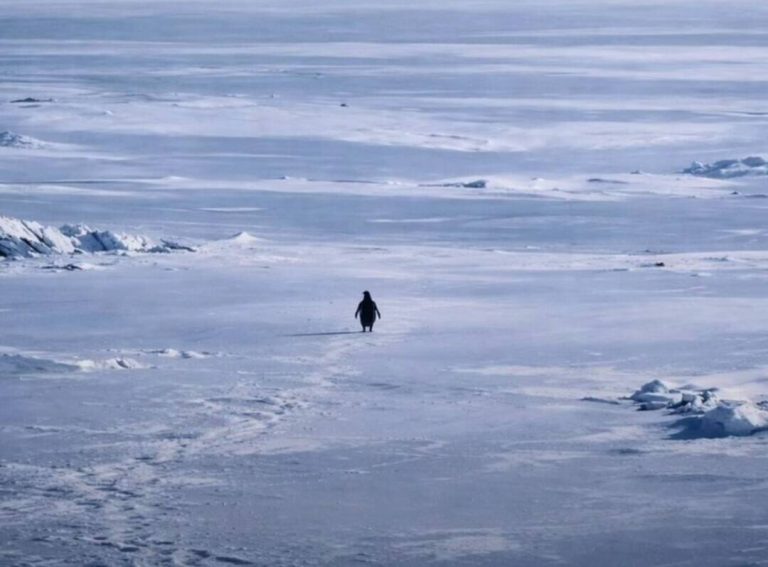
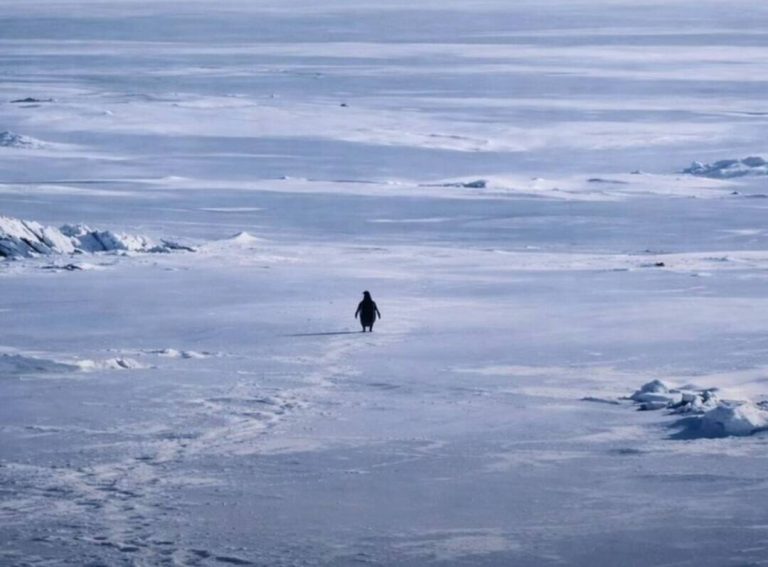
Furthermore, the accelerating rate of climate change is having a profound impact on biodiversity. Many species are struggling to adapt to the changing environmental conditions, leading to population declines and even extinctions. The consequences of this biodiversity loss are far-reaching, with potential impacts on ecosystem services, food security, and human well-being.
The prediction that 2025 will be the second or third-warmest year on record is a wake-up call for governments, businesses, and individuals to take immediate action to reduce greenhouse gas emissions and transition to a more sustainable and resilient future. This can involve a range of measures, including increasing energy efficiency, promoting renewable energy sources, and protecting natural carbon sinks like forests and wetlands.
In addition to these efforts, it is essential to support climate change research and development, including the improvement of climate models and the monitoring of climate-related metrics. This will enable scientists to better understand the complex dynamics of the Earth’s climate system and provide more accurate predictions and projections.
In conclusion, the news that 2025 is set to be the second or third-warmest year on record is a sobering reminder of the urgent need for climate action. The consequences of inaction will be severe, with far-reaching impacts on the environment, ecosystems, and human societies. It is essential that we take immediate and drastic measures to reduce greenhouse gas emissions and transition to a more sustainable and resilient future.
As the world continues to grapple with the challenges of climate change, it is crucial that we remain informed and up-to-date on the latest developments and research. The European Union’s Copernicus Climate Change Service provides a vital service in this regard, providing regular updates and insights on the state of the climate.
As we look to the future, it is clear that the fight against climate change will be a long and challenging one. However, with the right combination of science, policy, and action, we can mitigate the worst impacts of climate change and create a more sustainable and resilient world for future generations.
About the Author